Rick and I have been remodeling a corner of our “barn,” which is really a two-story residential garage. Some years ago, I rescued my Uncle Mike, who had fallen into the hands of an elder abusing “friend.” Since then, Mike lived with my Mum—but now that she has passed away, Mike needs a new home. We don’t have room in our tiny house—hence the remodel.
Mike is developmentally disabled. He worked for most of his adult life as a busboy at Denny’s. Especially now, there is no institutional assistance to help with his meager SS retirement funds, so this project is operating on a shoestring. Still, when we agreed to take this on, Rick insisted that we create a living space that would be comfortable and attractive. “He’s coming to live with us,” he insisted, “We’re not warehousing him.”
And so, the months have slipped by as we two geezers planned, plumbed, wired, hammered, insulated, and painted our way towards a new home for Mike. It’s been an adventure.
In keeping with our normal (some say excessively frugal) standards, everything we could buy second hand, or discounted, was worked into the budget. Even some of the lumber (the t&g ceiling material) was purchased from a local mill, off a Craiglist posting. To some extent we used up leftover materials and fixtures from building our house, and we scoured for deals on Craigslist and Marketplace. We found a carpet bolt end for less than 25 cents per square foot, vintage and overstock lighting fixtures on Ebay and Marketplace, a little direct vent heating stove and a water heater on craigslist. You name it, we scrounged it.
Some things you have to buy new—and we were taken aback at the cost increases, just since we built the house. Plumbing and electrical parts and supplies are wildly expensive, and, of course lumber. We count ourselves lucky to have come in under the wire before the current tariff insanity started!
One of the biggest questions was what to do with the interior walls. Both Rick and I loathe drywall. We hate installing it, and mostly—sanding and taping, and sanding and sanding and sanding. Finally, after much debate, we settled on OSB and battens. It’s a little more expensive than drywall, but no sanding! No dust! For battens, we found that you can buy “lath” in rough four foot lengths—and with a little extra effort, you can make them work. A friend, watching the process from a distance opined that we were pulling the oldest DYI trick—substituting excessive, but free, labor for material costs.
We’re almost finished, just floors left to install, but the materials are on hand. We’re exhausted and satisfied. How’d we do?
We’ve been burning a lot of beech this year. A lot of beech. Winter is back, real winter, with the mercury hovering in the teens or below, and snow. A lot of snow. It’s a relief.
Our ‘normal’ snow load and its spring melt is nature’s natural drip irrigation for the forests. We’ve been missing it for several years, nervously noting the change. So this year’s normal La Nina winter comes as a mixed blessing. We’re happy to see the snow—even if it means snow removal duty. We’re noting the multiple polar vortices that our pushing our winter lows lower than normal. That’s also something to note. It’s an indication that the jet stream is unstable, one of the symptoms of climate change. Less visable, and more alarming is that similar instabilities are becoming evident in our ocean currents—the drivers of weather all over the world.
Beech is not an optimal wood for heating. It doesn’t have the BTUs of ash or other, harder woods. It burns nicely, hot and fast, so we’re constantly filling the woodstove. Our ample beech supply is another disturbing symptom of climate change. We burn only deadfall, so the appearance of beech in our wood supply means the beech trees are in trouble. Beech Bark Disease has been in North America for well over a century. It hitchhiked to North Eastern Canada from Europe in mid-1800s trade, but remained there, relatively stable for its first North American Century. The disease is actually a partnership of several organisms—some fungal and some sap-sucking insects who serve to spread it. The conditions for their joint spread didn’t fuel its expansion until a shifting climate created opportunities to increase its range. It’s done so quickly since the turn of the most recent century, and beech trees are seriously threatened.
“It all burns,” says Rick as we set out to harvest the deadfall to heat our home. We avoid conifers—because they burn dirty, but everything else that drops to the forest floor is fair game. We’re still burning ash—the last remnants from the ash die off, courtesy of another hitchhiker, the Emerald Ash Borer. Ash is a lovely firewood that burns long and clean. Our mix includes American Black Cherry, Ash, Beech, Maple, and a smattering of Hophornbeam. The only downside to the Beech is that you need more of it to get through the winter. If you’re relying on a glance of the total volume of the total cut and stacked firewood supply, you could run short. We’re running a little short this year. We have back up supplies, so we’ll be fine, but I made the mistake of forgetting to discount the beech when I stocked the woodshed. I remember harvesting the beech, several years ago. Rick was eager to get to some of the ash, but beech trees had fallen across the trail…so beech it was.
Different species have different attributes when used as firewood. When I was growing up, my father favored oak—hard and long burning. I never liked the acrid edge of burning oak, but it’s a valuable heating source. Lucky for me—there’s not a lot of oak on our property. I don’t have to make that choice. Some woods deliver more heat, some burn fast—good for kindling or getting a fire going. Some wood, like our American Black Cherry, burn with colorful flames. It doesn’t speak to value on a heating level—but it’s pretty to watch in the woodstove. Burning wood for heat isn’t the easy thermometer setting that most folks understand. It takes many hours and hard labor to harvest, haul, stack and split. It’s free, but only in a monetary sense. We work for our warm winters.
We are not normal in this respect. Most Americans rely on some sort of fossil fuel to keep warm through the winter. That puts the carbon footprint out of balance, essentially releasing CO2 from earlier eras into the atmosphere. This is where renewable energies can make a big difference. Our choice was driven by the economics of supply (we have acres of forest) and by an effort to minimize our carbon footprint. By burning only deadfall, we release only carbon from our own era that was already headed for the atmosphere. It isn’t a solution for everyone. It takes a minimum of 10 acres of forest to supply enough deadfall to heat a home. But it works for us. We extended our ‘utility’ by insulating the hell out of our small home when we built it. We can do even a hard winter with just under three cords of wood.
I have a recurring dream in which I am a ‘sommelier’ of woodburning. I sound like some high-end server as I inform my customers of their woodburning options. “Tonight we’re burning ash and maple—for a long burning fire with a golden hue. For a small added charge we can add some black cherry, which will burn in multiple colors throughout your evening. For special occasions, we can add some lovely imported varieties—like manzanita—hot burning and very colorful—but,” I nod knowingly, “That comes at a premium.” In the dream, I don’t know who my customers are, or what kind of business I’m running. Maybe it’s like a stress dream (like if you’ve ever waited table), or a roundabout way of appreciating life choices we’ve made. But it does make me reflect on, and appreciate, what the forest offers, even in death. Life is a beech…..
Are y’all paying attention? Do you remember your Civics class? You know, the whole three co-equal branches of government thing—checks and balances and all that? It was the beauty of our Founding Fathers’ design—the antidote to the observed excesses of an errant King. If each of the branches exercised its powers, within the boundaries of their respective zones of authority, all would be well. But, if things got out of kilter—there were procedures and mechanisms to bring us back into balance. Well folks, things are out of kilter.
To refresh your recollection, Congress holds the power of the purse and the power to legislate. The Executive alone has the power to implement the laws passed by Congress—and to spend as Congress authorizes. The Courts and their orders uphold the laws. There are laws—both legislatively created and carved out by the courts, setting forth proper administrative procedures for everything government does. Powers of impeachment exist to ensure that neither the Courts nor the Executive exceed their authority. For it to work, everyone has to stay in their lane—and to make sure that the other branches of government don’t exceed their authority and usurp the powers of their co-equal branches.
That’s how it’s supposed to work.
Right now the Administration is breaking all the Rules. Trump and his DOGE band of technogeeks are taking a slash and burn approach to government, without respecting proper procedures or following the laws set forth by Congress. (I won’t even go into the unconstitutional configuration of DOGE and its dubious powers.) In so doing, it is dismantling government as we know it. Protections that we take for granted are on the chopping block—health and safety, equal rights before the law, regulations on foods, drugs, utilities, labor, medical services, and banking or investments. Just about everything. Even our Department of Justice is busy breaking the laws. Lookout to anyone who has ever ruffled Trump or Musk’s feathers because payback has become the spine of government control. The so-called ‘efficiencies’ being delivered strip us of our rights, and of the ordered system of government that protects us and has made this country the envy of the modern world. Meanwhile, Congress is sitting with its thumbs up its ass, failing to defend its territory as the sole holder of legislative and spending powers. It’s long established that the Executive branch does not have the power of Impoundment. It cannot pick and choose which of Congress’ laws it wants to implement or enforce. And yet, Congress does nothing.
So it is left to the Courts. So far, the courts are upholding our constitutional structures—but that dam may be showing cracks. The President has declared himself above the law (he who “saves the country…”)—the Administration is hinting that it might not have to follow Court Orders it doesn’t like. One newly minted Cabinet official has described our current situation as a ‘post-constitutional’ order. (and that, after taking an oath to defend the constitution.) That, my friends, is the precipice of a constitutional crisis. It is the tipping point where democracy meets fascism. So, while you’re preoccupied with the price of eggs, we are slipping into the Drumpf Reich. The last holdout when the courts are not obeyed will be whether the population rebels. It’s up to us. There is no cavalry, no rescue. It’s up to us.
We’re only a month in, and already they’re setting up camps, changing the names of places and things, and undermining future voting rights. They’re threatening our allies—upending the financial markets and international trade with the arbitrary tariffs. They’re threatening long established international borders and sovereignty—because they want to. Are they serious, or is it a diversion to cover the crimes they’re committing every day? They’re creating chaos—and getting ready to line their pockets with the spoils from the the havoc they’ve created.
It’s a little like the tourist maps pointing the way. The good news–if you’ve ever wondered what you’d do in the event of an existential crisis, now’s your chance to find out. Are you one of the good guys? The bad guys? Or the people who stand and watch when all hell breaks loose? You Are Here.
Like so many things, one can only guess at the future, but does so with greater accuracy if one can look at the past. There’s no doubt that our honeybees are in the crosshairs—but what can be done about it? Let’s start with the fact that honeybees are not a North American native species. Like most of us, our bees were brought here by Europeans.
Whether or not a non-native species is deserved of our protections is an interesting debate, complicated by the fact that the honeybee has become critical to our food system, and that pollination is required for one bite out of three in the American diet. We have no choice but to make the effort.
Honeybees are currently threatened by a troika of hazards; habitat loss (nutritional deficits because of the loss of a diverse ecosystem); poisons (both pesticides and herbicides); and parasites. Not included in the official list of risks is climate change, which complicates the bees’ nutritional challenges and causes seasonal maladjustments.
There are native pollinators. A study nearly a decade ago in Michigan suggested that as much as 46% of Michigan’s agriculture was pollinated by native species. This study was extremely difficult to undertake because it’s damn near impossible to determine who is doing what in any given orchard or garden, and we don’t have a handle on the status of our native pollinators. In fact, much of what we know about the hazards to our native pollinators is an extrapolation of the known problems with honeybees, precisely because it is so difficult to accurately study the natives. And, there’s no money in it. Because many of the challenges to our insect world are a direct result of the impact of our ridiculously lax rules on pesticides, the money too often falls on the opposite side of the equation. For example, repeated studies out of the European Union show that neonicotinoids are deadly to honeybees—and to pollinators in general. These pesticides have been banned in most of Europe, resulting in rebounding populations of pollinators. Despite the obvious connection, here in the U.S. no serious efforts have been made to restrict these pesticides.
Add to that the complete disarray of the beekeeping world over the last decade, and we’re basically operating wearing blinders. I’ve only been beekeeping for a just under a decade, and the changes—mostly based on new science—in the beekeeping world are enough to make one dizzy. We have bee pests that are killing off our colonies. In large part, it’s because of the varroa mite—accidentally introduced to the U.S. in the late 1980s. These mites attach themselves to the bees’ abdomens and suck off the fat-bodies essential to bee survival. In addition to the direct damage sapping the bees, the mites carry and spread a number of bee viruses and bacterial or fungal diseases. Mite control has become essential. Early in the battle against the varroa mites, chemical treatments (essentially pesticides) were based on the treatment “load” delivered by the bees’ equivalent of blood. (Bees don’t have blood the same ways that humans do, but they do have an internal liquid delivery and balance system that approximates our circulatory system.) Despite decades of such treatments, it was only discovered in the mid-20-teens that the mites actually feed on the bees’ fat bodies. (Which means they had everything wrong—from a basic understanding of the mites’ impact on the bees, to how treatments were delivered.) Beekeepers are constantly reeling over the latest theories of how best to protect their colonies.
Early in my beekeeping endeavor, we were told that hive circulation (ventilation) was imperative to keeping hives healthy. We invested in screened bottom boards and upper entrances to maximize airflow and minimize moisture. (What? We didn’t trust the bees to know what was right for them?) Then, literally “out of left field” a British physicist analyzed the thermal dynamics of bees and determined that the standard model of bees ‘clustering’ to keep warm in winter was really a last ditch effort to save the hive—essentially a bee suicide mission to save the queen. Bees were freezing in their hives. The energy needed to keep warm was depleting them during the winter, leaving us with weak and challenged hives. So then, ‘they’ decided we needed to insulate our hives. Now, there are several competing versions of what beekeepers should be doing for winter management. It’s enough to make you crazy.
Here is where an interesting, if a little sad, historical review of ‘modern beekeeping’ is instructive. Historically—and I mean through the ages—‘domesticated’ bees were kept in ‘skeps,’ woven or wicker baskets. In order to harvest the honey or wax, the hive itself was damaged or destroyed. It was inefficient and unkind, if not deadly, to the bees. In the mid 1800s, all around the world, beekeepers were working on more efficient methods. I won’t get into the historical fray about who deserves the credit for the modern hive, except to say that the design of hives with moveable frames that accommodated proper “beespace” (the optimal size within the hive for bees to move and live) revolutionized beekeeping. It allowed bee management and harvest without killing the hive. We commonly call the modern equivalent hive the “Langstroth” hive, named for an American beekeeper, writer and scholar.
But, the hive we see in modern beekeeping today is not exactly what Langstroth created. In an effort to recreate the ‘natural’ bee colony found in hollow tree cavities, Langstroth created an inner hive with moveable frames, contained within an outer wooden box, with the cavity between them stuffed with leaves as insulation. Over time, but particularly fueled by the invention of the truck—which enabled larger orchards and mobile pollination services, the cumbersome outer boxes were stripped away. By the time ‘modern’ agricultural science evolved (starting in the 1930s), the stripped down hives were the standard, and became the baseline for apiary studies. We came to accept as ‘normal’ the idea that bees spent their winters huddled in a protective cluster around their queen. At no time has anyone presented any data about honeybees’ winter strategies when overwintering naturally inside a hollow tree. We have no idea what ‘natural’ would look like. But now we have evidence that the standard ‘winter cluster’ is probably not a natural norm.
Bees are considered livestock in American agriculture—but nowhere else in animal husbandry would it be acceptable to intentionally imperil one’s livestock on an annual basis.
And so, some experts are now telling us to insulate our hives in the winter. I have a beekeeping acquaintance, John, who is taking that even further. Frustrated with annual hive losses, a decade ago, he invested in the new wave of polystyrene hives. Currently, in Michigan, average annual losses hover at just over thirty per cent! (Last year nationwide average losses were over seventy-five per cent!) Since John switched, his winter survival rates exceed ninety per cent. (note: he also has an aggressive varroa control program and manages for maximum nutrition) John attributes most of his phenomenal success to his insulated hives. You can insulate wooden hives—but it’s a pain to do it right—and then you have to have somewhere to store those insulating covers during the summer (hence the reason why Langstroth’s original design with insulation got stripped away.) Something tells me that we’ve been doing beekeeping wrong for a century!
I’m not convinced that we can save the bees. Between the challenges of pesticide exposure and nutritional deficits caused by habitat loss* and climate change** we’ll need to be more thoughtful and intentional in our approach. I’ve just purchased four new polystyrene hives. I can see now that my efforts to insulate have been inadequate and haphazard. This spring, I’ll be starting on a new program, maximizing bee health as its centerpiece. Clearly, being average isn’t going to be good enough. I wonder though, on a broader scale, if we cannot save the bees, will we do enough to save ourselves?
*Habitat loss results in less diversity of plant life, and diminished nutritional returns on bees’ foraging efforts
**Climate change, and in particular, high levels of CO2, result in plants with lush foliage, but less developed flowers and pollen with substantially lower protein yields.
I know, from my stats, that my readers prefer posts about rural living filtered with light humor. Generally, I respect that–it’s certainly territory that is more fun to write. There’s plenty in the news to make you grind your teeth.
But, if you have an ounce of awareness, you know that things are not normal right now. There’s a lot at stake. “They” would prefer that you just keep scrolling. Here’s a brief list of the things you may miss, once they’re gone (and this is no exaggeration, some of this is happening NOW): the Rule of Law; Due Process; your right to privacy and your data integrity; a livable environment; safe food; the possibility of government assistance in the event of a natural disaster; the availability of affordable fresh food; access to government information on medical and/or epidemic status; assistance for disabled citizens; equal rights under the law if you happen to be female or some other minority; and the promise that you’ll be able to enjoy the social security that you spent your entire working like paying into. This is a short list; if “Promises Made/Promises Kept” is the mantra, there’s a lot more in store for us. One begins to wonder to whom such promises were made.
From time to time, I may stray from my pleasant rural musings to remind you that we’re living in interesting times. My hope is that some of you will respond with meaningful action. Call or write to your elective representatives. Consider donations to those afflicted by the new regime, or to those groups who are on the front lines, fighting for your rights. Work to build community, to help each other if belt tightening becomes necessary. Plant a garden for your summer produce. Do some canning and preserving with your excess produce or donate it to your local food bank. There are more ways to create community, or resist chaos than I can list–but I’m sure you have ideas, too. Act on them. Discuss them. Speak out and step up.
Okay, now I’ll go back to my rural musings. It’s February–time to make garden plans.
Don’t get me wrong, I am the first person to value, and promote progressives. It’s just that some things, while generally beneficial, are not the answer for every situation. And when wrong—things can go wrong quickly and in unexpected ways.
Rick and I have just finished installing a largish tongue and groove ceiling. Overhead work is always a bitch—but we’re getting on in years, and that kind of work poses extra challenges. Even though it’s at the ceiling, it’s actually close work. But my eyeglasses are backwards to the cause. In order to see close up, I have to strain my neck waaaaay back because the close-up part of the prescription is at the very bottom of the lens. This leads to neck and back strain—which, in my case, leads to bruxism. It makes me grind my teeth.
That brought me to the dentist, which is leading to a new night guard (splint), and possibly two crowns. We’ll see. In the meantime, my progressive lenses may well contribute to a monarchy—two crowns.
I tried it their way—brought in “ALL THE BEST PEOPLE.” Like prize Dogs, they had the right papers. “Oh,” they’d said, “You’ll need the Right People to get things done.” Bullshit. I didn’t get here on advice. I KNOW HOW TO GET THINGS DONE. They can’t understand GENIUS. Those fucking idiots tied me in knots. They have no vision. “You can’t do that, it’s unconstitutional, it’s illegal!” They watered down all my PROMISES, like pablum. Made me a laughing stock. Nobody makes it to the top going by the book. That’s stoopid, small-minded thinking. The point of all those Laws Is to keep the smart ones down. You gotta get yourself a good lawyer, hell, a fucking legal team of pitbulls, do whatever you want and let your lawyers tie them in knots. Bastards, a bunch of lazy LOW-IQ MORONS with no loyalty. They were barely out the door, selling their books of lies to make themselves look good, to make me look like the sucker. After I’d brought them in, gave them access to the INNER CIRCLE–rolling their eyes, laughing and plotting behind my back. THEY SHOULD HAVE BEEN ARRESTED FOR THAT. LOCK’EM UP! You cannot trust anyone. You certainly cannot trust the ones who think they’re smarter than you. They’re there to stop you. Look at history, at what the greats did—follow that lead. Real men who didn’t let a bunch of sniveling lawyers and bean-counters call the shots.
This time will be different. They can shove their fucking elitist crap. I’ll pick the people who’ll do what I want. Loyal. People with things to hide, people who’re hungry and a little mean. PEOPLE I CAN CONTROL. People who are afraid of me and who EVERYONE ELSE WILL FEAR. People who understand, PROMISES MADE, PROMISES KEPT. Just do it, let the lawyers sort it out. Set that tone from the start. I’ll show those idiots that there’s an ugly cost to getting in my way. Put them in their place. THEY WILL PAY. The old rules are for losers. I WILL UNDO ALL THAT DO-GOODER CRAP FROM BEFORE! I will erase them. All I need to do is to whisper to the mob. Throw them a little raw meat now and then. YOU GOT TO BE SMART ABOUT IT. Take what you want. I watch them all duck when I look in their direction. That’s where I want them. It’s just smart business. This time will be different. NO MORE MR. NICE GUY.
We’ve never had three cats before. We didn’t plan on it. I’ve always taken my lead on cats from the Crosby, Stills, Nash & Young song, “Our House.” (“with two cats in the yard….”) Two cats makes perfect sense, especially if you get them together, as kittens. They keep each other company and they romp, tussle and roll.
2024 was another tough year. My Mum passed away in the Spring. A week later, a neighbor dog killed one of our cats, Milt. We mourned. Our other cat, Ollie, mourned. There was nothing we could do for him. After a few weeks he seemed to recover some—at least he resumed eating, and he even reveled in attention and grooming. I cannot say that we’d recovered, but it was good to see Ollie being more of himself. We were resigned to being a single cat household.
Then, three weeks after Milt was killed, Ollie disappeared. We assumed it was the standard Spring “got caught in someone’s shed” deal, and that he’d be home in a week. And then he wasn’t. We talked to the neighbors. Where we live is pretty rural—there aren’t a lot of neighbors. We did the usual missing cat things—walked the roads, checked with animal control. It’s an unfortunate part of country living—lots of things can take out a cat. Dogs, coyotes, owls and raptors can all turn your fluffball into dinner. After a month I was despondent. At two months, my sister gave me ‘the talk.’
If you love cats in the country, you either have to keep them in, or you have to be prepared for losses. It just comes with the territory. We don’t want to keep them in. We spend a lot of time outside, in the garden, in the woods. Our cats have always followed us. They are indoor and outdoor companions.” Cats,” my sister said, “Are a renewable resource.”
At just over two months I started checking the ads for rescue kittens. I resolved not to get hung up on looks—that all cats need homes and I’d take the first set of brothers I could find. And so we got Maki and Red. Maki looks shockingly like Milt. He’s a long-bodied, short legged, medium hair tabby—clearly some Maine Coon in him—tufted ears, neck ruff, thick racoon-like tail. His littermate, Red, is the complete opposite. He’s a long-legged, short necked, short-haired, ginger tabby, with a long, narrow striped tail.
When they arrived, Maki was much smaller, the runt of the litter. They came infested with fleas and ear mites. We’re old hands at cat care, we started combing and treating the ears. We held off a month on their first vet visit, to get them cleaned up a bit, and stabilize them. At this stage they were strictly indoor kitties. I have a nine pound rule. Kittens do not go outside unsupervised until they’re bigger than the average appetizer. We draw the line at nine pounds.
An aside, starting in early September, we had chicken troubles. Our chickens were happy free-range girls. But a recent addition to the neighborhood changed that. We now have a bobcat! Of course, its arrival gave me nightmares over Ollie’s fate, especially when one of the chickens was found as a loose pile of feathers, just steps from our back door. It brought an abrupt end to free range. Now the chickens were locked into their run all day. That’s not a bad gig—it’s a large chain-link enclosure about 50 feet across. The chickens were not impressed. You’d think they’d get it—after the loss of one of their own, but no. They squabbled and separated into rival groups. Since we have two coops, we left them both open and let the chickens sort it out. One night, noise from the chicken pen called us out with flashlights—a ruckus—which we assumed was yet another squabble. Dazed chickens were wandering around the pen—with some loose feathers in the air. We searched the entire area—but could not find anything amiss. We shrugged threw them back in their respective coops (minus one who wouldn’t go) and went back to bed. In the morning, two chickens were dead, their throats torn out. It took some research and a little detective work, but we determined that the culprit was a weasel. Weasels literally go for the neck. Their jaws limit how wide they can open their mouths—so on chickens—the neck is it. We dusted the area with flour and baited one of the coops with chicken necks and a strong rat trap. All chickens, regardless of personality squabbles, were locked into the large coop at night. The first effort at trapping was unsuccessful—the weasel took the bait but wasn’t caught in the trap. But, we did confirm through the footprints in the flour that it was a weasel—and a big one, at that. The remaining chickens were all pretty flipped out by then—first the bobcat, then the weasel. We were down to the point where we were concerned that the remaining three chickens wouldn’t have enough body mass to keep them warm for the winter. We started advertising for folks to take the chickens. No luck. After numerous unsuccessful attempts to trap the weasel, we decided the safest bet was to move the chickens to the small coop, as it was more defendable. Or so we thought. That weasel was still trying, every night. Maybe the smaller coop would be warm enough for our three survivors. Until one morning, two more chickens were dead. The damn weasel had torn part of the roof off of the small coop to get them. We were left with one, highly traumatized chicken. One chicken cannot survive the winter alone. Thankfully we found a chicken angel who invited our poor solo chicken to live in her flock. Frankly, it was beginning to seem that our year was about losses. We have plans for a new, impervious, coop, come spring. We sure miss the eggs.
Damned Weasel
Back to the kitties. By their first vet visit, Maki had surged ahead, size-wise. Red seemed timid and delicate by comparison. They received their first round of vaccines and were scheduled for the next round, two weeks later.
That two weeks was harrowing. Red became ill—his belly distended, but he wasn’t eating much, or using the cat box. Then, he had a high fever…for days. We were orally rehydrating him, and feeding him kitty-soup with a syringe. Of course this happened on the weekend, so we hoped he’d make it to the following Monday to see the vet. We didn’t know if it was related to the vaccine, or if there was some other problem. We made it through the weekend, and brought him in. The vet was not reassuring. She suspected that Red had FIP—which, in 55 years of cat care, I’d never heard of. She sent us home with everything we needed to keep him hydrated subcutaneously and told us to keep it up with the kitty soup. Their appointment for the second round of vaccines was later in the week. She told us to bring him in for a check-up—but that he probably would not be up for the vaccine round 2, just yet.
I went home and looked up FIP. It wasn’t good news. Feline Infectious Peritonitis is a lethal mutated coronavirus. Cats do not recover. Kittens catch the coronavirus when they’re little and then, in some kittens, the virus mutates in the kitten, turning its own immune defenses into a viral replicator of the mutated virus. One of the triggers for the mutation is vaccination. The mutated form is not contagious—but once it mutates in a kitten the results are always deadly for the kitten. My research showed that there was some promising research for treatment, but nothing had FDA approvals.
The morning of their appointment, we were loading the two kitties into the carrier when there was a noise at the front door. I looked over and there, looking in the window, was Ollie. A very fat Ollie. We let him in—shocked. At this point he’d been gone for over four months. He’d obviously been more than well cared for—but given a chance, Ollie came home. We were thrilled to see him. He was not happy to see kittens in his home.
At the vet’s, a robust and healthy Maki got his second round of vaccines. Red was examined, the vet shaking her head. He’d improved from earlier in the week, but he was not a healthy cat. She made an appointment for the following week—either to complete his vaccine cycle, or to consider euthanasia.
It was a rough week. We doted. We spoiled. We coaxed. We hydrated and force fed. But Red was not rallying. On the day of his appointment, I asked Rick to stay home, to dig his grave.
The vet confirmed our worst fears. Red was failing. As we prepared for his final injection, I tearfully said that I couldn’t believe that, with all the corona virus research coming out of Covid that there wasn’t some coronavirus treatment for FIP. Our vet, whom we have trusted for a decade of cat care, made a strange face. “Well,” she said, “There’s nothing… unless you’re willing to go on the black market.” Behind her, her assistant was nodding vigorously—silently signaling to re-think putting Red down. Our vet continued, “There are treatments out there, but they’re not yet approved. There are no guarantees, here and I cannot be involved because this isn’t yet a legal treatment. Her assistant gave me a website to contact. It was all pretty sketchy—but it gave us a chance for Red. Our year had seen enough losses—we were willing to give Red a chance.
That night I checked out the site, and was assigned an Administrator to guide me through the FIP treatment. Because he was in such rough shape, she said we had to start with injections, and switch to pills when he’d improved. The next step was to find a source of the serum as soon as possible. They hooked me up with a woman a couple of hours from me who had leftover vials of the serum. I drove there, and met up with her. Her kitty had completed the treatment and survived! It was like a drug deal with angels. I took the vials home and we started the treatment that night.
Some people report miraculous results—within hours. Our Red was too far along for that kind of magic. But we stuck with it—along with the forced kitty soup and regular subcutaneous hydration. Poor Red was a feline pin cushion. So many injections on so little a kitty! He started treatment at 3.2 pounds—and then dropped below three pounds for the first week or so. His care took hours, every day. We weren’t sure he would make it—but he was willing, and affectionate, even if he could barely walk and only ate when forced. After a week, there was some small improvement—his balance was better, and he started to eat on his own. It was a long, slow, haul.
By week three, there was sudden, visible improvement. Red turned back into a kitten. Even wobbly, he was making an effort to play. He resumed grooming. On day 21, he was well enough to switch from injections to pills. The treatment calls for 84 days of treatment (with bloodwork along the way to check progress), followed by 84 days of observation—to make sure he doesn’t relapse. Red has completed the full treatment protocol, and has graduated to the observation phase.
During this whole treatment process, we’ve also been dealing with integrating our senior cat with these kittens. It was touch and go at the beginning. Ollie was not happy with kittens, but the kittens were infatuated with Ollie. They followed him everywhere. Ooooh—it’s BIG CAT. WE LOVE BIG CAT. They were relentless in their affection. And it’s working. Ollie is finally adjusting to having two rambunctious kittens in his sphere. Sometimes, he’ll even play with their toys, or let them groom his ears and face.
That’s how we ended up with three cats. I’ll have to look for a new song, because it’s beginning to look like we’ll be lucky enough to have three cats in our future. We’re starting the New Year with hope and crossed fingers.
Okay, I’m trying to stay out of politics, but I saw the video of Musk’s “controversial gesture.” He did it. Twice. It wasn’t just an exuberant gesture–it was what it was, straight from history, the straight armed salute, missing only the audio “Sieg Heil!” You don’t even have to know that he financially supports Germany’s Af Party. You don’t even have to know he’s meddling in Britain’s politics–supporting racist far right policies and attacking Labor. When somebody shows you who they are, believe them.
He’s not an elected leader, but he’s supposedly part of Trump’s shadow cabinet. So we project to the world that fascism is alive and well in this new administration. Sure, there are good people on both sides.
And, just like that, a profound chill settled over the land. People who thought they were impervious began to have second thoughts. People who thought they were prepared stopped and took stock of the situation. Plans changed abruptly. Things looked normal enough, but there’d been a subtle shift, you could almost hear Dorothy saying, “I’ve a feeling we’re not in Kansas anymore.”
It’s not a big adjustment for us. We don’t commute and we’re not big travellers, so road conditions are not an issue. It’s damn cold out there, running below zero at night and the single digits in the day. Mostly it means we run the woodstove 24/7, instead of just afternoons and evenings. It begins to chew into our firewood supply. What? Did you think I meant something else?
We went into this winter season a little lean—mostly because of other projects. The last few mild winters have made us lax—even though I said, all summer, that this would be a “real winter.” I follow weather and climate issues, and all the indicators were that we were coming into a La Nina cycle. Now I’m eyeing our fuel supply in the woodshed, wondering if it’s enough to carry us through spring.
Not that we’re without back-up. We burn deadfall—trees that have already died and fallen—so our wood supply is pretty seasoned by the time we cut. Even then, it usually doesn’t all make it into the woodshed the year we cut; it sits, cut, but not necessarily split, on pallets for another season. And then there’s usually a pile of “difficult wood” or newly cut (like when we take out a diseased tree), that we could use in a pinch. And there’s a stack of uncut, but fully seasoned wood in longer log form, out behind the barn. So if we run the woodshed empty, we can always turn to alternate supplies.
Looking at it now, I’m guessing we’ll run about a third of a cord short from the woodshed—and we have a half cord sitting there, covered, almost ready to go. We’ll be warm enough. It’s a country thing, pantry mentality. It means you have what you need, and then some, just in case. I know most folks don’t give it another thought—they adjust the thermostat, or run to the grocery store if things run low. But it’s a good idea to take a longer view, to keep an eye on the horizon to be prepared.
My mother loved pears, and I inherited that from her. This past summer would have been our best pear harvest. She’s gone, but I fully intended to enjoy the harvest for her, because of her. We have four pear trees, three to span the season and one as a pollinating guarantee. Only two bear, so far. The best of the two is the earliest of the season… those pears ripen in late August. I’d been watching that tree, easy enough as the dooryard orchard is in the same enclosure as the vegetable garden. The tree is still fairly small, narrow and upright. I watched, waiting for the pears to be ripe.
One morning I ventured out, sure that there’d be some pears for the picking. But there were none. And I mean—none. There had been 21 pears on that tree, waiting to be picked, but this morning there were none. My first assumption was that a deer had breached the fence—but deer are not tidy foragers and there were no pears or pear bits on the ground. I was stunned—so I check the second pear tree—though its fruit wouldn’t be ready for another month. Most of it was there, but someone, or something, had broken some of the lower branches. They were wrenched from the tree, ripping some of the bark away from the trunk. I summoned Rick.
Together, like amateur sleuths we examined the damage. This was no animal. Some human intruder had ravaged our pears. When the late ripening tree didn’t easily yield her fruit, they pulled at it so hard they broke branches. I felt like weeping. Rick looked further and found the place at the back of the fence where the deer netting had been pulled away. Not that they couldn’t have come around to the house side and just walked in the gate. We were shocked. It’s not like our fence is some fortress of security, it’s just t-posts with wires supporting deer netting and rabbit fencing—we put it up to fend off the deer and the rabbits. But still, it takes some kind of gall to break into an enclosed garden area and steal produce. I checked, and, yes, there were tomatoes missing, too. But mostly those 21 pears.
Come spring we’re putting up a new, sturdier fence. We bought real fence posts, tall and sturdy, and there will be heavy duty welded wire. If they want in, they’ll need to bring bolt-cutters. We debate whether we need to put a lock on the man-gate. It seems crazy to consider a lock on a garden gate. We grow enough that we could share, if anyone were to ask. Back in Two Rock we grew enough for everyone on the farm, and then donated tubs and tubs of produce to the Food Bank. But nobody asked.
This is a new, and ugly kind of intrusion. Friends have warned me. One came home to find a trio of “summer folk” helping themselves to the roses in her garden. They wanted to keep the severed roses—but she escorted them off the property with a shotgun. They threatened to call the police, but she assured them that that was her next call—and that her husband was a deputy sheriff. Another friend had frames of honey lifted right out of her hives! (That’s some brave thief!) And when we had workers on site, they raided our patch of morel mushrooms. Rick discovered it and made them give them back. Folks seem to think that everything is for the taking.
It was Robert Frost who first wrote that good fences make good neighbors. It’s about respecting boundaries, even, or especially when, working together. We have good neighbors, But times are changing, people are more mobile and local mores are breaking down.
We have suspects, some guys who were working on a neighbor’s house to get it ready for sale. They’d shown an unusual level of interest in my gardening. Thankfully they are not our neighbors—but we cannot prove anything or be sure of anyone. In the meantime we’ll upgrade the fence and keep an eye out. There’s not much else we can do.
I’m back. In an increasingly complex world, I’ve decided that my place in “social media” should be a direct, and honest reflection of who I am and what my values are. You can sort that all out by reading between the lines of my stories.
I fell away from blogging because the pressures of daily life, in particular of elder care, injuries and of the daily onslaught of prevarication from the press, drove me to endless dithering. In its place, I’m ashamed to say, I adopted a Facebook approach. I coasted through the drivel to find compatriots who seemed as disenfranchized as I felt…and bounced in the echo chamber. Finally, overwhelmed by the polarization, I started posting art. Posting beauty seemed like a balm for the ages and I attracted a group of like-minded folk who saw some measure of salvation in something as basic as a daily dose of beauty. But, in the end, it’s not enough.
I cannot ignore, or abide, the fact that my sweet backwater of beauty ultimately was lining the pockets of the very folk undermining democracy and monetizing the demise of our environment, of our very planet. I have to step away from the dopamine delivery system—the addiction of social media. To be true to my values, I have to strike out on my own, to reach out and create community, to be subversive by being authenic. So, I’m back.
I am retreating from those platforms that are toadying to power. The anticipatory capitulation to the dark side, the vast amounts of untraceable money funneled to curry favor, all funded by our own consumer dollars (or by the sale of our data), was making me sick at heart. No more. I’m finding new outlets for news and information. I’m abandoning the soul-sucking click bait world. No amount of daily beauty can undo the damage of the robber barons of tech.
I note that during this sojourn into social media addiction, my writing came to a halt. Indeed, other than gardening or building (because Rick and I are always building), my creative energies dried up completely. It is my hope that returning to a more authentic avenue of engagement, that will come back. In fact, since I made the decision (round about the time the tech bros all donated to the coronation), I’ve returned to my long neglected novel. Who knows where this will lead?
If you’ve been with me from before, or if you’ve joined me because of my invitation on the way out the door of Facebook, I hope you’ll see this as a way to participate, comment, criticize or applaud the taking back our time for something more genuine than the latest meme. There are certainly parts I’ll miss. But connecting with real people and sharing viewpoints outside of the silos, is something I’m looking forward to. It’s a little like coming home.
(To get a “comment” prompt, click the blog title and scroll to the bottom.)
Been awhile, eh? We’re coming to the end of a long string of challenges, so I’ll try to wrap it up and get on with regular blogging.
2022 was a doozie. When I last left off, we were heading into summer after Rick’s unfortunate encounter heading down the stairs on his ribs. He actually had a miraculous recovery. Five broken ribs would normally sideline one for months—but he was up and running in weeks. Things went a little hairy after that.
We were grappling with how to handle the previous year’s diagnosis of brown spot needle blight on our Scots Pines out front. Remember, we are tree-huggers. Hundreds of trees were infected, and our State’s Ag University (MSU) advised us that we should cut all affected trees—and quickly—to prevent it from spreading.*The scope of the job was well over our heads, so the search began. Unfortunately, there is no timber value to the Scots Pines. They can be chipped, but they are not a viable commercial logging option. We were concerned that any delay could result in the blight’s spread to the acres of plantation red pines back behind the house. We connected with a local outfit—who were slow to come up with a bid for the work.
Then, one day, almost a year ago, we took a shortcut through the red pines, and both of us stopped short. Something was wrong. The light was wrong. We were accustomed to it being much darker under that canopy. We turned to each other, horrified. Had the blight spread? I reached out to MSU for advice. They wanted samples.
Easier said than done. As best we can figure, these red pines were planted in the late 1970s. They are 60 to 70 feet tall. MSU wanted samples from the canopy. We had to wait for a storm to knock down some branches. When that finally happened, Rick collected an armful of samples and we shipped them off to the diagnostic labs at MSU.
The results were confounding. Not the blight we’d expected. Our red pines were infected with yet another ‘needlecast’ disease, Lophodermium. But what was the prognosis? Unless we thinned, and treated (and we’re talking acres of red pines) our trees had six to eight years.
How could this be? How could we have two, different, lethal, needlecast diseases at once? The short answer, climate change. Though our area of Northern Michigan is forecast to be a “climate change winner,” that doesn’t mean we won’t see changes. One of those changes is that our trees, now in slightly warmer and dryer conditions, find themselves susceptible to fungal diseases that are usually more prevalent in regions south of us. Even slight changes in climate can stress established species. Stressed trees are at risk.
Part of this speaks to bad decisions made decades ago—the likes of which continue to be made all around the country today. Whose idea was it to plant acres of one tree species? Monoculture is death on the installment plan. A healthy forest has many different types of trees—each with its own different nutritional needs, and contributions, all dove-tailing together in a diversified concert of life. In a monoculture planting, once a blight takes hold, the stressed trees succumb quickly. You cannot reasonably treat acres of trees. They’d require spraying, at canopy level, (seventy feet up) up to six times per year…indefinitely.
We were left with the prospect of clear-cutting almost seven acres of red pines, and another four acres of Scots Pines. Thousands of trees. And, if we didn’t, cut them, they’d die anyway, and we’d be left with acre upon acre of unmarketable, standing dead timber. A conflagration in waiting. We lived in California long enough to know the dangers of forest fires from standing dead. They call them zombie forests.
We are not clear-cut people. But neither are we oblivious. Addressing it sooner, rather than later, gave us an opportunity to begin the process of re-foresting, and diversification, while we’re still young enough to make an impact.
Most loggers will not consider small parcels. Small is, apparently, less than ten acres. They’re also not thrilled about logging on steep slopes—and our trees form the toe-line of the steep hills to the west. Rick and I went about our business while we awaited the bids from local tree outfits. In short order, we found ourselves dealing with just one company. In the meantime, we were still gardening, caring for trees we’d planted and building a quonset shed for our equipment. When the offer finally came in, it was acceptable, except for the time frame. They wanted a two year window for their work. We countered, offering generous incentives for an earlier window. They said they’d consider it and get back to us. Then they stopped taking our calls.
Then, in late August, Rick had a ladder accident on the shed job. Not a little accident. He broke off the bottom end of the tibia and pulverized about five inches of the fibula. Major surgical reconstruction, lots of hardware, and a guaranteed 3-5 months, flat on his back. He had to build new bone. He was despondent. Not only wouldn’t the shed get finished, but we’d made no progress on all the larger issues on the property.
At the same time, we were dealing with family obligations, and my mother was ill. It was not a good time.
Other than caring for Rick’s convalescent needs there didn’t seem to be much I could do to move things forward. Thankfully, because of the power of the internet, I was able to research other logging options. And I found one. A solo operator who logged “the old-fashioned way,” and who was not hostile to our request that he log so as to save any and all deciduous trees that were mixed in with the pines. We walked the property and I explained our long range objective to reforest with a diversified deciduous blend of trees. He was on board—and he was available to start in the late fall. Rick’s relief was palpable. We signed.
Rick’s superpower is healing. His ankle is nearly back to pre-accident performance. We are back working on the property—and, once the snow is gone, preparing to finish the shed. Once Rick was mended, I could take some time to spend with my Mum, who is also, now on the mend.
In a couple of weeks the logging will be complete, and in time for this season’s tree planting. Even better, those Red Pines were peppered with volunteer maples. And hidden in the lower Scots Pines were a dozen or so mature, American Black Cherry trees. Though it looks a bit rough, there are enough standing trees that it has an almost park-like appearance. We still have plenty of re-planting to do, but we are wildly pleased with the results. In just a couple of years, you won’t be able to tell we logged at all.
Turns out, our decisions, and the end result, were not so clear-cut.
* As we look around, it’s clear that Northern Michigan’s conifers are in trouble. Now that we know what to look for, we see sick trees everywhere. Though we’re thrilled to have solved our own blight issues, this is not a problem that is going away soon, or at all.
We’re having hot weather. Summer hot—but then, you have to wonder, is it more than that? After all, the Northern Hemisphere is currently plagued with three simultaneous Heat Domes. In Europe, from Spain to the United Kingdom, it’s brutally hot, complete with forest fires and heat related deaths. Similarly, from Texas to the Michigan/Wisconsin border there’s a Heat Dome with triple digit temperatures in multiple states…and heading eastward. There’s a third Heat Dome in Asia, but our news on that one is scant.
Here, we are making accommodation changes. Before the heat really hit this week, we rushed to mulch this spring’s tree plantings. When we first started planting, years ago, we didn’t mulch. But we have hotter weather now and things were looking parched. Mulched, and watered, they recovered. Mulching can lower soil temperatures significantly—and in an episode like this, by as much as 20 to 30 degrees. We caught it in the nick of time. Lower soil temperatures, less weeding, and less watering—the mulching is a given. We are clearing parts of the property, so we used the chipper to make the mulch.
We upgraded our generator. The old one we bought for construction—to run the compressor and power tools on the house before the electrical was brought in. We’ve used it for outages, and it runs the entire house adequately, except for the well. The well runs on 220. The generator doesn’t. We found a craigslist deal on an upgrade, one with more power and 220. Power outages are becoming more frequent, and lasting longer, as climate change makes storms more extreme. It makes sense to be prepared. Rick has almost finished the transfer wiring for the new generator.
We’ve decided to put in a rainwater storage tank to use the water from the roof for watering the garden. I’m doing the research now for the right tank. Rainwater is better for the plants than our very, very hard well water. The house sits high above the garden area, so we’ll have adequate pressure, without pumping. It makes sense to save the earlier, spring rains, to tide us through the drier months of summer. This has been a particularly dry summer. It has our attention. We’ll have it all worked out for next season—but it’s an upgrade that makes sense to make us more sustainable.
We bought a tote for tree watering. A tote is a 275 gallon portable tank. They’re recycled from the food industry, where they’re used for transporting raw ingredients. We’ve always watered newly planted trees for the first two years, as needed (most of which are well beyond hose reach.) But “as needed” has increased substantially (as has the number of trees under care.) Sometimes we’re watering twice a week, using a motley assortment of drums and buckets. The tote will reduce “trips” and reduce slosh losses.
And, finally, we’ve decided to mount sunshades around the front porch. The house faces east, and that’s the only direction from which it has no shade from trees. (We’re also planting trees, but that takes time.) If we can block that early morning blast, we can probably shave 3 to 5 degrees from our hot-day temperature swings inside. It makes a difference, our generally shady location and night-time open windows keep the house comfortable—but we could do better. We have no intention of installing air conditioning. You cannot air-condition your way out of a spiraling climate emergency.
These are small steps. But I’m recognizing a change in our approach, and in the way our friends and relatives are meeting the challenge. We’re hardening for the long haul. Climate change isn’t a future hazard. It’s here, now. We’re finding ways to address changing realities, and to further lower our carbon footprint. We have stopped believing that “someone” is going to do something about this. They won’t. So we must.
We won’t give up. And neither should you. We still have the most powerful tool at our disposal. We can vote as though our lives depend upon it. Because they do.
It was Ollie who brought in the lively mouse that sent Rick careening down the stairs. Not that we hold a grudge or anything; cats will be cats. So far, Milt hasn’t picked up the habit of bringing critters in—we’re crossing our fingers that it stays that way. We can’t be sure of Ollie’s motivations, whether he’s showing off, or if these critters are intended as gifts. Either way, we discourage it.
Winter doesn’t inspire hunting prowess in these cats. They are spoiled, and far more inclined to hang out in front of the fire like décor. But each spring renews their feral instincts. The good news is that (other than what they bring in) they keep the areas around the house, chicken yard and barn, rodent free. Or at least, rodent reduced. We would otherwise be inundated with opportunists, mice, voles, shrews, moles, gophers, chipmunks, ground squirrels and rabbits. It’s quite the parade.
We are cautious about the “witching hour.” Though during the day the cats have free rein, we close the cat door at dusk, and leave it closed until it’s time for them to come in for the night. Then, it is closed all night. This keeps our indoor critter rousting to a minimum. Spring brings changes to our routines.
We usually harvest most of our honey in the springtime. Most beekeepers do it in September, but we leave the honey in the hives for the bees. We get the leftovers. It’s insurance—but no guarantee that the bees will make it through the winter. This past winter was a total bust for us in bee-world. Our lives were so upended last summer, that the bees were on their own. We were not surprised when spring found us with dead hives. We didn’t even treat for varroa. Oddly, when I did the hive “autopsy,” our three hives perished in three different ways. I’d expected a complete varroa mite travesty, but the results were curious.
One hive had absconded in late fall. There were no bees in the hive. Vacant, the remains of its honey stores had been raided (usually by neighboring hives, or wasps). This could be Colony Collapse Disorder, but without bees to inspect, there really is no way to be sure why this hive failed. Another hive cold-starved. This can occur, even if there are ample stores of resources in the hive. In winter, the bees require that there be foodimmediately above them. In cold weather, they use the column of warm air above their cluster as their pathway to dinner. Sometimes, especially in late winter, the bees can have exhausted the overhead stores, and a cold snap can leave them unable to navigate laterally to food that is mere inches away. This was an unexpected heartbreak. Healthy bees, starving, almost within reach of dinner. Only the third hive had succumbed to the varroa mites. These invasive mites attach themselves to the bees’ abdomens, and feed off the fats stored there. While the mites can also introduce viruses, I saw no evidence of that—the bees, diminished by the mites, simply didn’t make it through the winter.
If there’s an upside, it’s that there’s a lot of honey this spring. Hundreds of pounds. Rick and I have some serious honey spinning in our near future. In the meantime, I needed to get these honey-laden supers off the hives in preparation for the new bees’ arrival. Because Rick’s ribs haven’t yet healed, he cannot help me lift and carry these heavy frames of honey. I put a heavy-duty lidded bin in the wheelbarrow and loaded it with honey frames. Only when I got down to the house did I realize that I’d created a problem—a large bin, with about 150 pounds of honey, in the wheelbarrow. Heavier than I could lift. And, with broken ribs, Rick can’t help! So, I sealed the bin with the lid, and left it there, by the basement entry. I figured I could unload it strategically, frame by frame, into another bin in the basement, the next day.
We didn’t make it that long.
Usually, Milt is the first cat in for the night. Ollie lingers, enjoying the evening. But that night, Ollie was the first to knock at the upstairs door, signaling that he wanted in. After a bite to eat, he settled in on the rocking chair. After a while, though, he headed down to the basement door and began meowing up a storm. This is not normal. We thought he might be telling us that Milt was there, waiting to be let in. I trooped down to the basement door and flipped on the outside light to look for Milt. There, poised next to the closed bin of honey frames, was a HUGE raccoon.
I opened the door and shooed it away. It didn’t scurry. It sauntered. I’d have preferred an energetic retreat—one that acknowledged me as a clear threat, instead of as a mere annoyance. Clearly, that honey wasn’t safe on the back stoop. A “sealed bin” is no challenge to a raccoon.
Rick came to the rescue. Between the two of us, we hauled that heavy bin into the basement. Ollie supervised. Having alerted us to the threat, he saved the honey. Ollie is redeemed.
The last of the trees are in. Granted, it took us a week to re-direct ourselves after the unfortunate incident on the stairs. I was getting ready to hand-dig the remaining 38 holes for the last batch of hazelnut trees. After all, before this year, almost all the trees were hand planted.
After last year, when we planted 36 orchard trees by hand, we bought an auger for the tractor. The auger is awesome. We’ve used it for concrete piers, for tree holes, and we’re having visions of new fencing. When the first batch of trees went in last month, we augured and planted 56 trees in a day. Not bad for two old farts.
But Rick is the guy skilled in tractor work; I can drive it, but I’ve never operated any of the implements. The power-take-off (PTO) on the tractor is at the back—meaning that any and all implements require that you use them with your body regularly turning around to watch your work. Rick does this with grace—he uses the snow blower and the brush hog like a pro—watching, forwards and back, like a ballerina. But this isn’t something I’d expect from someone with four broken ribs.
So I was surprised the other morning when he said we’d finish the planting that day. “But, but…” He shook his head. “I’m not dead—I’ll just be sitting on the tractor…you’re the one doing the actual planting.”
I was not convinced. I made him promise that if it was too painful, he could teach me to use the auger and I’d finish it. That wasn’t necessary. He dug all the holes and I finished putting in the trees. Then he helped me with the watering. I can hardly believe he did it—but we are both really pleased. Me, that the trees are all in. Him, that he could rally and be productive, despite his injuries. Win, win. It was mostly a matter of working deliberately, and carefully. (A good habit, which if we’d used it the week before, could have avoided the injuries in the first place. Sigh.)
Now we’re just waiting until he’s healed enough so that we can return to the concrete work needed for the new shed.
No, not that kind of good time. I’ve been waiting for a good time to resume blogging. Last year was an emotional roller coaster and, to deal with it all, I pulled back. All of those challenges have since resolved. So, what’s taking me so long to get back my blogging chops?
Maybe I needed processing time. Maybe I was tender and needed space. But we were returning to “normal.” It wasn’t a bad winter. We tend to hole up in front of the fire during the winter—read, and maybe write. I made excuses along the way. My computer died. It’s an ordeal to get a new computer, and to find technical help in recovering the things that were lost. Then the camera died. Fully, initially, and now it’s sort of limping along. That camera must be 20 years old, so I shouldn’t be surprised. Somehow, neither of us is up to the research needed to get a new one. After all, things don’t last like they used to, one should be up for these occasional challenges. The world has changed since Rick bought the old camera; most people just use their phones. We don’t have that kind of phone. We are landline folk. No pics, no texts.
Post Covid has also brought interesting reflections. We’ve become private. Not hermits, exactly, but guarded about contact with the world. I’ve come to resent a little the imposition of normal things—like grocery shopping and errands. Let’s face it, the outside world has been more than a little crazy over the past few years. We live in times when some shrug at an armed attack in the halls of our government—or at a Keystone Cops attempt to kidnap our Governor. What’s up with that?
We have some big projects planned this spring, two sheds to build and a doubling of the raised beds in the garden. We’ve been thinking of it as making up for last year’s torpor.
So, I’ve been waiting for a good time to start up the blog. The usual rites of Spring offered promise, tree-planting, early season prepping for the garden. I even found myself “blogging in my head” a bit, as we worked to put in the season’s crop of trees. We bought 103 trees this year, all of which are getting “the full spa treatment,” that is, planted with all the extra measures we give to orchard trees. We’ve never planted so many trees in one year that required all the extras. We were even using a new auger on the tractor. So far we have 59 trees planted—with many interruptions for weird weather. We’re worn a little thin with it all, but excited at the same time.
Friday night, one of the cats brought in a mouse. This happens from time to time, especially in the Spring. We jump to it, to either capture (and release it) or to dispatch it. There’s an accustomed frenzy in it, usually not a big deal. Rick was in high form, after some initial chase, he herded it to the basement steps. In hot pursuit and stocking feet, he flew down the steps, feet slipping out from him halfway down, and completing the flight on his back and side. Just the sound of it confirmed that we were talking about injuries. Still, he declined the expected ER visit, and curled up in bed to nurse his pride.
The weekend was difficult. By Monday it was clear that, at least, x-rays were in order. A trip to Urgent Care confirmed my concerns, in spades. Four broken ribs. The Doc was amazed that it took us days to come in. When he heard that the fall was about a mouse on the stairs, he offered advice, “You should get a cat.”
We’re rethinking our summer schedule. Rick is in rough shape and has weeks before he can consider projects. I still have trees yet to get in the ground. And, if I was looking for a good time to resume blogging, the truth is, there isn’t a good time. There’s just what is.
Rick and I bought a used frame for a print we were given. It’s not an antique or anything (though it bore the label “vintage” in the eBay listing–which I doubt.) We have been known to go overboard on frames–buying period antique where the original warranted it–usually buying something beat up and restoring it to its former glory. This was not the case here. The print is fun–and represents a warm and fuzzy period in Rick’s past. We wanted the frame to be just that–fun.
It is. It has, however, a chalky faux-old paint finish. Usually when faced with such an item (and I’ve dealt with several), I clean it and protect it with a clear coat of flat acrylic. It makes it easy to dust and keep clean going forward. There are decisions to make, along the way. I’m not a great believer in preserving dirt. But some will argue that dirt is a part of the patina. Sometimes, if you strip away the dirt, what’s left is a blah piece, with no character. Since I’m no fan of filth, I take that risk.
This all reminds me that everything nostalgic has its own patina, as does our personal version of history. There are, after all, folks in this country waving the Confederate flag. Done right, peeling away the layers of time forces you to address what’s underneath, warts and all. This concept applies, whether you’re dealing with an antique, with your personal memories, or the larger picture of history, generally. The best we can do is to unpack it, with an open mind. Remove the dirt that just comes with age, but leave that which is part of the original–ugly or lovely, or both. Then re-evaluate.
Relieved of its patina of grime this little frame is exactly what we were looking for. After a quick protective coat, a matt, and some glass, this frame will do the print justice. And I guess that’s the best we can do.
We’re located in that “between New Mexico and Michigan” swath of folks enduring high wind events. Nearly half a million people are without power. But, because of previous bad experiences, we are unscathed.
Years ago, in a rental in Two Rock, a transformer blew during a freak winter storm. Our farm (and the surrounding rural area) lost power. For. A. Week.
No power meant no heat. It was January–and even though it was in California, it was cold. I spent a week walking around wrapped in blankets. At least I had oil lamps–so I didn’t have to freeze in the dark.
I vowed, “Never again.”
Shortly after we moved here–when we were still living in a rental, we lost power for five days. It only served to strengthen my resolve.
So, here in Michigan, we built with an eye towards weather autonomy. Heating with wood was a given–the fuel was free, and didn’t rely on the grid. We knew that our area would likely be hit with weather that would take out the power–ice storms, downed trees, there are a dozen ways you can find yourself in the dark. We bought a generator for the build (since building, ground-up often means you start before the site is served with power.) In wiring the house, Rick set it up with a manual transfer switch that would let us power the house with the generator.
The winds took our our power last night. In the morning, Rick went out to the barn, fired up the generator, and threw the transfer switch. And then I made coffee, as though nothing were amiss.
We may get power back tonight, surely by tomorrow. But in the interim, we are warm, and well lit. We can see by the dim light in their windows that our neighbors are not so lucky. Even though this has been a warm storm, I hope for them that they don’t need power for heat. I can’t get those images of last winter’s Texas freeze out of my head.
We’re snug and cozy. We’re having lasagna for dinner
Rick is feeling smug. He figured it out and wired it up. It works exactly as planned. And that’s why you can read this story today
When I was little, my mother baked all of our bread. We called the airy stuff from the store “plastic bread,” and it’s only good trait was how well it made grilled cheese sandwiches. (My mother NEVER made those, only my older sister, who bought her own Velveeta cheese, specifically for that purpose.) (My mother, with the refrigerator full of havarti, brie, and sharp cheddar, dropped her face into her hands moaning, “Oh where did we go wrong?”)
Anyway, some breads were baked as “boules,” earthy round loaves baked on a cookie sheet. For sandwich bread, we had heavy, corrugated, army-surplus baking tins, that made long loaves of fragrant, yeasty bread with just a touch of chewy, flaky crust.
In my young adult years I discovered the Tassajara Bread book, and went all in. Sponge breads, sour doughs, flat breads, you name it–I made it. I learned the textures and characteristics of different wheat flours, and finally bought a manual wheat grinder so that I could grind and blend my own organic flour. In short, I was a nut.
So, it was a bit of a blow, years later, to learn that I could not tolerate wheat–that gluten intolerance had been the underlying common thread to years of health challenges.
When the pandemic yielded a renewed interest in bread-baking, and in particular, sour dough, my other sister threw down the gauntlet and challenged me to make gluten-free bread. She gave me a sour dough starter. The commercial varieties were either leaden, or loaded with chemicals. I rose to the bait.
Now I’ve been back to baking bread for over a year now–still experimenting, but with mostly good results. But not quite good enough to tempt Rick to make the switch. The flavors were good, he acknowledged, but still too heavy for his tastes. So I started to adjust the recipe–lighter–adding tapioca flour to the mix–and even a little yeast to boost the sourdough. He also mentioned that he didn’t like the size of my bread slices.
The size? I mean, after all, it’s the size that comes out of a bread pan. (Gluten-free breads do not do well as boules.) I looked into that complaint seriously when he pointed out that a slice of my bread would not readily fit into our toaster. What’s up with that? I researched bread pans–metal, glass, whatever, and discovered that modern bread pans are larger than the older ones. Is this part of the American “super-size it” trend? Why then, aren’t the toasters bigger?
I searched out and purchased two “normal sized” bread pans–it wasn’t easy. There seems to be an oversized bread conspiracy going on here. Today is it. I adjusted the recipe for two loaves of smaller, lighter, (but still with a touch of oaty chewiness) bread. Not that I’ll ever stop experimenting, but I think that we are there.
It’s the holiday season and everyone is reaching out…for a hand-out. My popularity has never been so overwhelming, my inbox so overflowing! It’s exhausting, all this deleting. I attribute this to two related social ills: insincere holiday greetings (often offering “deals for the holidays”); and the “pay as you go” meter of political engagement. Sigh.
Make elections publicly funded already. Why is it that every non-profit/political party thinks my donation will solve their pet project. Really, I know that there isn’t any obvious financial influence that the average Joe/Jo can exert on a Supreme Court decision, or on the operation of the Post Office, or even on whether local county hearings will permit Open Carry observers. Yet, to read my inbox mail, you’d think that only I can solve the world’s problems, if only I’d open my wallet.
Nowhere is the insidious influence of money more obvious than in my pre-holiday email. Hurry! Give Now–to avoid the influence of the other side’s financial influence. Oh. Just. Stop.
I’m not saying that donations to causes that speak to me aren’t a good idea. But this “meter is running” political mentality is exhausting and undermining. Give me a way to participate that makes me feel actively engaged. I see half the country slipping into fascism; I want to wake the world up to the dangers. No, I don’t want to give $5 to ensure that a candidate thousands of miles away from me can get the edge over gun-toting white supremacists. That is one very slippery slope. Take money out of the equation.
It’s just past noon today, and already my inbox has 56 political pleas for funds. That does not include the straight up advertising for Holiday Gifts and Cheer. Does anyone else find the tollway of democracy depressing?
We’re having a bit of a blizzard. It’s not the first snow of the season, but it may be the turning point that tells us that it really is winter. Rick and I waffle on this. When does winter start? Because there are always false starts–snow that whitens the landscape…and then melts and warmer weather returns. Then we wonder if we were foolish to put away the gardening tools, or construction materials. It’s always easy to call in hindsight–but in the moment? We second guess ourselves. The correct call is always after-the-fact; it’s winter, when it sticks.
This time, we’re in a snow storm at the very time that my friend in Hawaii (Big Island) is having a snow storm. We do not often share similar weather. Ours is normal for the season. We emailed this morning and she was hurriedly cooking up some grub, in anticipation for loss of power. It reminded me how well prepared we are. Power outages are not uncommon here–winter and summer. We used to tough it out–oil lamps, carried water, etc. But we finally decided to go all Girl Scout on it–you know, Be Prepared! Rick wired us up so that we could switch the house over to generator power. It doesn’t take much. We heat with wood so we mostly power lights, fridge, and well. We’re not so upscale that the switchover is automatic–but it just takes throwing some switches and powering up the generator. We’re ready.
That gives us the freedom to enjoy the snow. Sure, there’ll be shoveling tomorrow–and it’s probably time to put the snowblower on the tractor. But right now there’s the quiet of the falling snow. We’ll get a couple of inches, maybe enough to strap on some snowshoes to go out and enjoy it. I think that this time, it’ll stick.
You may recall a few months back, how deeply saddened we were when one of our cat brothers disappeared. But our loss didn’t compare to Ollie’s, his brother. I’d never seen a cat grieve before–and this was certainly grieving. We finally decided we needed to get Ollie a kitten. Surely, that would perk him up? Right?
It took a while to find one. In these pandemic times, the shelters are empty. We figured it had to be a kitten–it’s hard to combine two adult cats successfully. We found Milt. (Well, I’m a little more formal–I often call him Milton.) His original name was Hamilton, but that was just too long a name on such a tiny fellow.
He is a handful. Initially, Ollie would have NOTHING to do with him. NOTHING. He wouldn’t even stay on the same floor where the kitten was. Too bad for Ollie, Milt was immediately smitten with him. Milt wants to play, and not with some silly kitty toys, Milt wants to rumble. His idea of a suave intro is to run at Ollie, fult tilt, and launch himself at Ollie’s neck. Those little teeth are sharp!
After a week or so, they could occupy the same floor, and another week, they could be in the same room. Now, for the most part, they can hang together–though when Milt gets the kitten zoomies, Ollie heads for the cat door. We’ve even seen them play–though Milt still has a long way to go in the manners department. This week we breathed a sigh of relief that this cobbling of kitty partners will work. We’ve seen them sleep together, and that says a lot. After all, this was supposed to be Ollie’s cat.
Ollie is too deferential to the little guy. He lets Milt push too hard, until Ollie’s only remedy is to flee. Once or twice, though, I’ve seen Ollie up and whack Milt upside the head–when he gets too pushy, and then I knew it would work out. I doubt they’ll ever be as close as Ollie and Stanley were, but there will be companionship in the mix. Oddly, Milt is a pest–and so was Stanley. It appears that Ollie’s lot in life is to be the long-suffering older brother. But, he gets into it, so the balance is slowly returning to our home.
For anyone who knows Housman, Malt does more than Milton can to justify God’s ways to man.
Let me start by reassuring you that we don’t see this as a loss. We’re okay with it, but we recognize how it feels ominous.
Our front ten acres is where we mostly live. The house, barn, (soon to be shed), garden, bees and most of the hazelnut trees are in the front ten. It is also occupied by scrubby evergreens–turns out they’re mostly Scots Pines. We’ve never much liked them, but, trees are trees and the world needs more of them.
We noted some time ago, that the “scrub pines,” especially the small ones, weren’t doing so well. I spoke to the Forester at the Soil Conservation District, and she informed me that it was pine borers, and not to worry since it wouldn’t affect larger trees. Since we didn’t much care about the scrub pines, we shrugged it off.
Until this year. This summer the scrub pines started looking especially shabby. Not all of them, but about sixty percent. Dying, from the bottom up. And not just the little ones, either. Our view became punctuated with the dead and dying. We contacted the new forester, who came out to take a look.
“Yup,” she agreed, “These are some pretty sick trees.” We looked for borer holes, or obvious signs of insect infestation. The sick trees were almost all Scots Pines (aka Scotch Pines.) They are not Michigan natives. They have escaped from a planted parcel my neighbors put in some twenty five years ago as a cash crop–Christmas trees. They were never harvested, because the husband became ill. Later, on her own, his widow was certainly not equipped to cut and market Christmas trees.
Our Forester returned to her office and, days later responded with a long email about the possibilities, concluding that the problem was the heavier than “normal” rainfall of the past few years. We weren’t buying it. Other trees, nearby and even lower than ours (towards the swamp) were not dying. I got online and looked up all the evergreen diseases, narrowing it to about 3 suspects. It’s surprising how many pests and diseases there are out there!
I decided to send samples to Michigan State University. We needed to know, not only to know what was killing these trees, but because it was obviously spreading, and we needed to know what to do with their remains. It’s a lot of trees. Hundreds. I’d hate to have to burn them all.
But I didn’t know what to sample–needles? bark? root margins? It depends on the pest suspect. So I called the University Department that does the testing. They were wonderful. Send photos–and then they can narrow the field of culprits, to do targeted testing. I sent photos.
No need to test. Even with my blurry photos, the plant pathologist nailed it in a heartbeat. Brown Spot Needle Blight. Sigh. It was one of the three on my list. He identified two other diseases, Pine/Pine Gall, and Pine Borers, but those were merely opportunistic–attacking the already diminished Scots Pines. Brown Spot is relatively new to Michigan, perhaps one of the pests on the move with climate change. That’s probably why the Foresters missed the signs. To her credit though–the increased rainfall is a factor in the spread–just not the mechanism of death that she’d thought.
But what to do about it? It is a fungal disease–spread by airborne spores off the needles. We don’t want to be Patient Zero in some larger infestation. As I suspected, the best thing would be to burn them. All of them. Hundreds of them. We discussed other alternatives. We could fell them in place–leaving a scrappy looking plain of death that would take years to break down. The thing was, we need to get them down, out of the wind, because that’s what spreads the spores. I suggested chipping the bulk of it–which the plant pathologists liked–so long as we don’t move the chips around too much. The spores will remain on the debris, but without continuing live needles, it will all break down over time. It will also help to build our sandy soils. It’s a good thing we bought a big chipper.
Most importantly, we don’t want it to spread. Any two, or three, needled conifer is at risk. Not necessarily a high risk, but we have some 14 acres of red pine behind the house–and that would be devastating.
This will take us years to clear. We’ll replant as we go, with deciduous trees. We’ll research it first to find healthy varieties that will accommodate a changing climate. Part of the problem was importing non-native trees into the landscape in the first place. It’s not the end of the world…but sometimes… I wonder if you can see it from here.
Today we gathered up another batch of late ripening tomatoes and cooked them down into sauce. Tomatoes in October is out of the ordinary for around here. And there are still a lot of green tomatoes, and blossoms! We harvested melons from the garden–months beyond their normal harvest time.
From my foraging group, we are hearing reports of harvested asparagus shoots, morel mushrooms, and other spring fare. My iris bulbs are sprouting.
It was a long, wet, mild summer, capped off with an extended warm autumn. Though some of the trees have turned and dropped their leaves (you can always count on the American black cherry trees to go early), many, if not most, of the trees are still sporting full green foliage. I took a walk in the forest today, and it looked like August. We’ve noticed that when the trees do go, the color is drab and brief, before fading to brown. We are accustomed to brilliant fall color. Spoiled I guess. The past few years when the autumns were mild, the color season has been increasingly less spectacular. The good news is that this year there is some relief from the constant drone of tourists in helicopters.
Usually, when I can tomatoes, it’s in the heat of the summer. I throw open the windows and vent the steam to the great outdoors. Now it’s a little on the cool side out there, and I’m not willing to dump quarts and quarts of steam into a closed house. Rick came up with the perfect solution. Reduce the tomato sauce outdoors, on a propane burner. I keeps the moisture and tomato aromas outside. I had to hang the laundry on the far end of the clothesline, for fear that my fresh clean clothes and linens would pick up the tomato fragrance, but otherwise, it worked well.
By all accounts, the abnormally warm weather will run at least another couple of weeks. I don’t mind–we’ve still got plenty to do outdoors. I have some transplanting to do–though I was hoping the berry plants would go a little more dormant before I moved them. We just have to wait and see.
I’ve been a bit under the weather lately. We all have. A couple of weeks ago, one of our cats went missing. Cats. You know, you can’t worry too much at first because, after all, they are cats. And, Stanley had disappeared before, (more than once) for a couple of days. But, as days trailed into weeks our anxieties have turned to sadness.
These two cats of ours were litter-mates, brothers, and partners in crime. The slightly larger of the two was the prototypical big brother–responsible and serious. Our missing kitty was the little guy–all mischief and busyness. He could be a pest. He kept his brother on his toes. Living on the edge of the forest has it’s risks and, as lovely as wild is, there are perils. We are suffering the loss of the intrepid one. Ollie, his big brother, is bereft. We think we see him looking, hopefully…
We did all the usual things, starting with a local search. I went door-to-door with a flyer. And then we watched and waited.Yesterday, our neighbor called. She said that at Buntings, our local store, there was a poster for a “Found” grey kitty. I held my breath while Rick jumped in the car to check it out. There were photos. But, it is not our cat. But, we got to talking…maybe we could be a home for this lost cat. Maybe there could be some cosmic balance — a small silver-lining. We lurch from ready to not ready to get another cat–but the telling issue is that Ollie is noticeably down and lonely. So, I called the woman who’d posted the found cat. She’d had him for months, and would’ve kept him, except that her cat wasn’t keen on the idea of an addition to the family. She’d put up the poster and kept him fed and loved–but mostly, outdoors. With winter coming, she had to find him a home. I made plans to meet him, today.
Ms. Cat-Finder called this morning with the strangest story. She was so convinced that we’d take the cat that, last night, she went down to the market to remove the poster and pick up a few groceries. Oddly, she took down the poster first, and carried it with her into the store with her while she shopped. At checkout, the clerk’s jaw dropped. “That’s my cat!” The photo on the poster was her long, lost cat!
Earlier this summer, the store clerk had been between homes, and a friend with a local farm had taken her cat, until she could get settled. The cat disappeared. Surprisingly, she’d worked in the store all these months, with the poster in the lobby, and never noticed it. To demonstrate her bona fides, she showed Ms. Cat-Finder videos of the cat on her smart-phone. Later that evening, the cat and owner were reunited!
It’s a happy ending, though we are still missing, and wanting for a cat. But… if I hadn’t told the neighbor…if the neighbor hadn’t seen the poster…if the neighbor hadn’t failed to notice that the picture obviously wasn’t Stanley…if we hadn’t mulled-over the idea of adopting this cat, and called…if the Cat-Finder-lady hadn’t assumed that we’d take the cat, taken down the poster and brought it with her into the store, laying it down on the counter… It’s such a thread of imponderables that brought the two back together, that one has to wonder at having become a link in that chain. Knowing acutely the angst of a missing kitty, we are happy to have helped, in such a serendipitous way, to reunite them. It is a small compensation, to us, in a world of weird connections.
We’ve been using a weed-whacker (a string-trimmer) for clearing paths and trails, and for “mowing” the garden/orchard area. It’s a long, slow process–longer and slower as we’ve expanded the trails and planting areas. Rick has said for some time that he’d like a brush hog, aka rotary cutter. He wanted something ‘beefy’ to handle some of the more challenging trail work in the forest.
But those things are expensive! And, frankly, they don’t make them like they used to. A new one runs upward of three thousand–for anything sturdy, much more. So we looked for one used–but not abused. That’s a critical issue, because, by definition this is no mere mower. It’s designed for heavy use.
But in my search I saw a good many of them that were rusted out, or clearly limping on their last legs–and even then they were pricey. Sigh.
Recently an old John Deere popped up on Facebook’s Marketplace. Old, as in, as old as me. Those early implements were built to last! (As was I.) But there was a problem–the ad indicated that it needed a new clutch–but it was being sold with all the needed parts. So that was the gamble–someone had a geezer brush hog–and didn’t have the savvy, or strength to fix it. Were we (that’s an editorial ‘we’) up to fixing it?
We drove to Gaylord to check it out–and sturdy it was. Indeed, Rick’s comment, under his breath, was, “It’s a beast!” We’ve seen so many that were bent, rusted and crumpled. This one must be made of quarter inch steel. The kid selling it, showed us what was wrong and shook his head. It was too much for him–the old implement was too hard to disassemble–the parts took too long to get. He’d just bitten the bullet and ordered a new one.
I looked at Rick. I could tell that he was intrigued by the challenge. It was more than just a mechanical issue–it was the fact that this vintage implement needed to be rescued.
“It’s a gamble,” I said. “If it can be fixed, it’s a steal at $500. Otherwise, it’s 1,200 pounds of expensive scrap.”
Just getting it loaded on the truck was a feat.
It’s taken him a couple of days, but I just heard the noises from the yard change. I looked out to see him sharpening the blades. That means the clutch is fixed, and the u-joint replaced–just like the kid said.
The beast has been rescued, and maybe even tamed. I see clear trails in our future.
Oh, where did the summer go? Intellectually I know, but somehow I’m flabbergasted that the garden is wrapping up, the days growing shorter, but my season’s to-do list is just as long as it was in June!
The garden was amazing (except for a little tomato problem). After years of floundering, we’ve hit on a winning strategy. The raised beds performed–producing bumper crops of lemon cucumbers, potatoes, and squash (winter and summer). The beets and carrots, yet to be harvested, are also looking bountiful. We managed three full rotations of salad fixings and greens–several kinds of lettuce, radishes, bok choi, and chard–without the usual waste and bolting, mid-season. The green beans were a bust–but not because they weren’t plentiful. We tried a new variety this year, pole beans, (which required constructing a whole trellis affair, and, after all that, they have no flavor–they’re absolutely tasteless. So the success of the green bean harvest is heading straight for the composter! Next year it’s back to bush beans.
All season, I kept admonishing myself to pull out a camera to report and blog the effort, but my heart wasn’t in it.
Mostly, the summer was consumed by larger issues. My Mum spent the summer with us, a welcome event, except that it was inspired by our proximity to quality healthcare facilities–Mum in need of treatments for cancer. The process was painful to watch, as it always is when one’s loved ones suffer. It makes you feel helpless. A chunk of every day was the to and fro of treatment, dealing with side-effects and shielding personal autonomy and dignity, and the hand-wringing that goes with worry. The prognosis is good–so the result of that part of the summer’s effort will yield years of loving harvests. Still, the season has been a blur, with little of our regular kind of productivity to show for it.
Usually, when one of us is preoccupied, the other can pick up the slack. But Rick has had his own family traumas this summer. There is no treatment plan for the kind of interpersonal toll taken by long-distance family anguish, especially when it’s being served up with a side dish of betrayal. Leaning together we feel like we’ve barely survived the summer, even as we wonder where it went!
And the tomatoes! We cannot yet report on them, because though they appear to be thriving, they are not getting ripe. There they are, big, lush, lovely… and green. Even the cherry tomatoes are tardy. What’s up with that? I suspect it’s related to the high-altitude, Western smoke that’s colored the summer’s light, and sometimes left us in a shadowless haze. Will they ripen before there’s frost? Will they be outliers–to be harvested only after the rest of the salad fixings have come and long gone? I suspect I’ll be canning in October!
These distractions are not yet over–but there are ends in sight. In the meantime, winter is coming. There’s wood to split and stack, orchard trees to check and bees to tend.
Somehow, I’ll get back in the groove of blogging…I always do.
There are gardeners and there are farmers. I could never be a farmer. I am insufficiently ruthless to be a farmer. My soft-heartedness even threatens to de-throne me as a gardener.
We’ve all read the instructions on those seed packets. “Plant in rows, x inches apart. Thin to y inches.” How delicate the term, “thin.” Those veiled instructions are telling you to murder the delicate babies you so lovingly planted, only a few weeks ago. I’m just not up to it.
In my gardening life I’ve followed the trail of the “square-foot” gardening experts, and their extremist wing, the “French-intensive” gardeners. This is, in part, because much of my gardening past was limited to confined areas, and because these method minimize the lethal practice of thinning.
The philosophy of square foot gardening is to sow each type of plant as closely as its species will allow, without crowding damage. Planted that closely, the vegetables form their own canopy, protecting the soil from drying out or over-heating, and the shaded cover minimizes weed growth. This method, while labor intensive, maximizes production per square foot. (Doubly so, if you double dig before planting, giving the soil “loft” favored in the French intensive method) (Admittedly, I’m not crazy enough to be a loyal adherent to double-digging.)
Instead of wasting most of one’s seeds to thinning, square-foot gardeners carefully only put a minimal number of seeds in each tiny hole, planting in a grid measured for the specific needs of the plant. Usually, I shoot for two seed per hole, but with tiny seeds, I often overshoot. (Carrots are my weak spot.) For example, squash plants are large and one plant gets more than a full square foot per plant. Pepper plants (depending upon type) get four to nine plants per square foot. Carrots…nine per square foot. It makes for tedious seeding, but the results pay off handsomely.
I have a 4 X 8 foot bed of carrots. I sometimes drop as many as five seeds into one of those tiny holes. I’m not greedy, but the damn tiny seeds stick to my fingers and–well, I occasionally over-seed. This then requires thinning. Sigh. I wait a bit longer than most on that. It’s not laziness; I just wait until I have a thinned baby carrot harvest that I can drop into salads, or munch on as a treat. The remaining carrots have plenty of time to catch up and fill out during a whole season. There are hundreds of carrots in there–I’m sure they’ll manage. I face a similar conundrum with beets.
The good news is that I love the tiny carrots–and they don’t die in vain–they fulfill the purpose of being eaten. Tonight, they’ll go into a delicious chicken stew, along with some “thinned” golden beets. It’s a variation on the theme of square-foot gardening, but one that works for tender-hearted folks like me.
It’s how it was when I grew up. The guy handles the chain saw, the gal carries and stacks the firewood. Not that I couldn’t do the chainsaw part, I did when I was single. But it just works out that way and I go with the flow. Both roles are strenuous–nobody is coasting here. I think Rick worries if I have a chainsaw in my hands. I am very careful, but I do have a reputation for being clumsy. And, from a gender perspective…it’s a control thing. (Shrug.)
On Sundays, we make wood. It’s a lovely ritual, weather permitting. It reconnects us to the forest and the land. We are finally in the position that we are cutting “next year’s wood,” that is, this year’s wood is already, for the most part, cut and stacked. We have a little splitting to do–but we are ready. So now we’re clearing and harvesting deadfall for winters yet to come. This, to me, is real wealth.
There’s a rhythm to it, and we have worked out a coordinated approach. When a tree falls there’s a lot of it that we won’t harvest. To us, anything less than three inches in diameter is “slash.” Not that it couldn’t be burned, but it’s not efficient for the way we harvest and burn wood. So any downed tree must be limbed, and cleared, before we can begin cutting in earnest. Rick cuts, and I drag the slash away from the work site to a spot where it can decompose naturally. It’s important to tidy up first, because those who jump ahead to cutting, without first clearing, find themselves tripping on the spiderweb of branches around any fallen tree. Tripping with a running chainsaw is not a pretty sight. Safety is always our first priority.
We were making wood on Sunday when I saw that a fallen log was blocking access for the tractor. I gave it a shove, to see if I could move it. It was already quite rotten, and the top of it, loose. I grabbed it and started to pull it out of the way. Only after the top of it had cleared its bottom did I see it. There, nestled in the center of the rotting log was a large paper wasp nest. I dropped the log and began waving my arms to get Rick’s attention on the tractor. With the drone of the tractor, or the chainsaw, most of our wood-making communications are via hand signals. Mine went wild. Rick looked at me, quizzically, as I pointed. Just about then, the first of the wasps reached me, and I turned and fled. At some point, it’s every man for himself. Rick figured it out, in short order.
Men chop. Women carry. Everyone runs when they need to.
My mum is staying with us for a while, to undergo some medical treatments. She arrived last week, and our days have been busy with tests and appointments. Before we could get started on all that, she had a toothache, and an emergency appointment with her dentist, a former employer and good friend.
There’s a cost to such wonderful care, and that’s that Donald’s office is in Grosse Pointe, down by Detroit. On a good day it takes just over four hours to get there. We didn’t get a good day.
The forecast was for heavy rain, so we allowed for a five hour trip. Even with the downpour, we would have made it, if it weren’t for Detroit. At times, it rained so hard we couldn’t see through the windshield. Thankfully, traffic was light. Maybe only crazy people were out in it. It never occurred to us to cancel…what’s a little rain?
Several exits before our intended off ramp at I94, they closed the freeway. It wasn’t construction, or an accident. We couldn’t figure it out. Oddly, because of a book I’m writing, I’m pretty familiar with the streets of Detroit. We needed to head southeast to reach our destination.
But things didn’t look normal. The first indication that things weren’t right were the abandoned vehicles. Not one, or two, but a handful at nearly every intersection. Some of the roads were flooded, especially where they dipped to go under elevated roads. I won’t drive in floodwaters–unless I can watch someone else do it first. You just never know how deep they are. And, we were figuring out, that was the reason for the abandoned vehicles. Others had tried…and failed.
Many of the traffic lights were out–or just blinking yellow in all directions. And the businesses we passed where all dark. It felt like a post-apocalyptic city, or something out of Bonfire of the Vanities. The weirdest part was that there were no pedestrians. I’ve never driven in Detroit without seeing folks on the sidewalks.
We tried repeatedly, without luck, to find an east-west thoroughfare that wasn’t flooded. So we just kept heading south, figuring that we’d be able to get to Jefferson, and take that East. It was well south of where we were headed, but the other roads were impassable, and cluttered with those eerie, empty cars. Even with all the extra time we’d allowed, we couldn’t have anticipated our meandering search for a path across the city. We were late. We tried to call the dentist’s office, but the phones were out.
When we were nearly there, Donald called us. He’d called my home to get the number for my cell phone. He, too, had been late–as he was home, wrestling with a flooded basement.
Compared to the trip, the appointment was easy. The tooth had to be pulled, which we’d expected. Donald plotted us a safe route back out of the city–keeping us to high ground and avoiding the flooded freeways. Only later, when we saw the worst of it on the news did we fully appreciate what we’d driven into, and then, out of.
The whole region has been declared an emergency. And there we were, oblivious, like tourists checking out the sites.
If you’ve followed this blog for any time, you know that I usually dedicate the entire month of June to spraying and squishing rose chafers, in the orchard. Not any more. (Well, not as much as usual.)
Not all of the trees are subject to rose chafer damage, but those that are, suffer terribly. Last year the relentless bastards killed one of the plum trees. It’s the plums they go after the most. Plums, cherries, apples, then pears…in that order. It is the rose chafer scale of delicious. This year, we needed a strategy more formidable than one little old lady with a spray bottle full of soapy water, and a keen eye for for squishing bugs. But, we aren’t willing to go chemical.
The answer is fashion. What is the sensible fruit tree wearing this spring? Why, tulle, of course! We bought yards and yards of agricultural fabric and UV resistant thread (for outdoor upholstery) and I whipped up a few summer ensembles for the plum crowd. Since the younger trees of any type are also at risk, we ran a childrens’ line, as well. We’ve now covered the most vulnerable, and are watching like hawks to see if the thwarted predators shift over to the less-delicious. (And we’re ready, if they do.) So far, it’s working well. We’re not asking what the neighbors think. (Michigan gardeners can be such fashion snobs!)
I don’t know what I’ll do with the month, now that I’m freed up from guard duty.
We tried to repatriate the broody Alpha a day earlier than we had planned. She seemed so sad. As soon as we sent her back to her back to her crew, she undertook her role as a totally-harassing-bitch to each of her underlings, in turn. We figured we were on the right track–Alpha, back up to speed, and in character. But, no sooner had she made her appointed rounds (of dominance), she headed right back to the brood coop, hunkering down on a nesting box. Still broody. So, back to the chilling barn for her. If this doesn’t work, I’ll have to try the torturous, cold-dunking. (Once reserved for Witches and heretics.)
In the meantime, we thought the remaining chickens were fine (if not relieved) in her absence. Not so in chickenland. Egg production dropped precipitously.
At first we thought they were upset by her absence (because, how the hell can you tell with a chicken?) But, that was not the case. I was working in the garden and I heard a chicken ruckus in the wild berry bushes, by the front steps. I didn’t investigate–but did glance over to make sure that we didn’t have one of the cats, harassing a chicken, and thought no more of it.
Later, when Rick mentioned the drop in egg production, I remembered the fuss, and then we investigated. Sure enough, one of the Wyandottes had laid two eggs in a lovely little protected spot, under the bushes.
We didn’t have a production problem, we had an egg location problem, which sent us scouring the chickens’ usual haunts for eggs. In Alpha’s “leadership” vacuum, the rest of the flock had gone rogue! We’re still on the lookout for missing eggs, hoping to locate them before they spoil…and smell.
Now, all chickens are confined to their pen, until such time as they have all done their daily-lay . “No free-range for you, little missies–unless you behave!”
They’re responding to detention by flying up and perching on top of the coop. It’s a threat (if you speak chicken)–because from there, it’s a short hop, over their enclosure fence, to freedom. Rick responded immediately with some wire on the coop peak to discourage them from roosting up there. Sheesh, It’s always something.
We’re hoping to return to normal rhythms, once Alpha returns to her job as top chicken. Assuming she’s not destined for a dunk in the Trough of Truth. (“Waiter, what’s this chicken doing in my soup?”)
It’s always something with chickens. We have added to our chicken flock (which had dwindled to two). We have the two original Buff Chanteclers, two Wyandottes, and an Easter-Egger. These new chickens have proved to be prolific layers–and I cannot help wondering if that isn’t the source of the problem.
The Chanteclers were never great layers. They are extremely hardy–and they’re not big eaters. I’m not sure if “cheap to keep” is enough. Alpha, the top dog of the chicken yard has never laid an egg so far as we can tell. We contemplated retiring her, early on (read “soup”), but my sister warned that the top chicken of the pecking order often doesn’t lay. She is, after all, a supervisor. If we retired her, there was the risk that any new top chicken would, in turn, cease to lay. So we kept her. She’s a bitch, but she’s our bitch.
The new chickens have upped the game. We are at the point where we produce more eggs than we can consume. Our neighbors thank us. But all this production seems to have rattled Alpha.
Alpha is no spring chicken. She must be five, and remember, she does not lay. But she’s gone broody on us! A broody chicken is one who goes through a hormonal shift, such that she seeks to develop a clutch of eggs to hatch. She’ll hang out in the brood box all day, sitting on any eggs she can find. Her temperature rises, and she goes into an uncharacteristic, driven mode. You can kick her out of the coop– but she goes right back. Some broody hens become aggressive. I suppose it works in the larger context–where a chicken could actually hatch a family, but we have no rooster. There will be no chicks.
Given that this is all in vain, we have to consider the cost to the chicken. It wears the hen out–all this obsessive behavior and the elevated temperatures, they’re bad for the chicken. It is in everyones’ interest to break the broody cycle.
We never had a broody hen before, so I called my sister for help. “You have to cool her down to break the broody cycle.” Just how does one chill a chicken? Apparently, you can either dunk her repeatedly in icy water (which sounds like torture to me), or you can isolate her in a cool location–with no nesting materials for insulation. This slower, but more humane method can take days.
So Alpha is in solitary. Our barn stays cool in the lower level–in the low 50s on the concrete floor. So Alpha is doing time, chilling. The other chickens don’t seem to miss her. As you can imagine, she’s pacing the floor, like the inmate that she is. Rick put the food and water outside the enclosure–he didn’t want any rattling of the tin cup against the bars of her cell. So far, I don’t see her getting any reduction in sentence for good behavior.
In a couple of days, we put her back out with the others, and hope that she is broody no more.
Only two short weeks ago, we were delaying putting in the garden because of night-time hard frosts. And now, I need to be extra careful transplanting the starts in, because it’s hot (really hot) and dry. And those weather prognosticators? Paid to lie. Everyday this week they’ve predicted temperatures lower than what we’ve experienced (only to ‘update’ later in the day, with a more accurate ‘forecast.’ You can’t really call it a forecast if you’re announcing it in the moment. I can do that with a thermometer.
In any event, the garden is almost entirely in, and up. Seeds, prompted by the heat, are sprouting in record times. Seedlings, delicately watered three times a day, are surviving the heat, and transplant shock. This is the first year we’ve planted the garden entirely by seeds–starts nurtured in the basement during cold and carried out daily to enjoy the sun on warm afternoons. It’s much less expensive this way, and you have more control over the variety–not doomed to the fancies of our local nurseries.
It still looks meager, but in two weeks this will be going gangbusters. And, the hard part is done–just a little weeding and watering to maintain. We could use the break. We’ve been going apace since the trees arrived the first week of April. Now, we can catch our collective breath…before returning to building projects that’ve been on hold for the outdoor work. We’re going to try to finish the upstairs bathroom, which has been storage for a couple of years. And, we bought a new toy.
I’ve been watching for a used chipper since winter. It’s been an education. Not everyone needs a chipper–you have to have a lot of tree debris to make it worthwhile. We have acres of tree debris. We have a ‘burn pile’ the size of a small house–and no appetite for the burn (especially in such hot and dry conditions.) And we have endless uses for the chipped mulch that a chipper creates.
After much research and asking around, we opted for a chipper that runs off the tractor PTO. They’re sturdier, and, if you properly plan your worksite, they use less fuel. They’re substantially more expensive, because they have to be sturdy enough to withstand the extra horsepower of the tractor. (Whoa, Nellie!) While the stand-alone models take much abuse and wear out–the 3 point chippers can last forever. We looked at everything on the market–and came out with a wish list for a self-feeding, horizontal feed model. We not getting younger, and the gravity feed chippers guarantee a lot of overhead wrestling with awkward materials. There’s a safety feature in it too, since self-feeding keep your hands further back, away from the awesome grinding machinery.
The sticker price on our wish list was daunting. Used, was our best bet. Unfortunately, we’re not the only one’s who’ve done this research, and good used models last about two seconds beyond when they’re listed on craigslist or marketplace. But I am nothing, if not steadfast in the search.
This past week there have been a bonanza of ads for chippers. There was an ad for the exact one we wanted (WoodMaxx), for about half the cost of new. I jumped at it. It did require a six hour drive to get it, but I’ve gone further for less. Rick came with me this time because…well, a chipper is the ultimate guy purchase, and it’s a tough load (over 950 pounds of it) and tie down. He was pretty nonchalant about it, until it actually happened. Now he’s thrilled. It’s not perfect; it will require a little maintenance and modification–which is right up Rick’s alley.
Because, of course, it wasn’t quite as described in the ad (see title above), but not out of any dishonesty. We have done very well over the years, scrounging, often purchasing used, high-ticket items from folks who had more money than sense. The people from whom we bought this item never needed it in the first place. (It had a total of 6 hours use, in the four years they owned it.) And, they’d assembled parts of it, backwards! Rick just shakes his head. He’ll have it up and running perfectly in a couple of hours. Now, if we could just get a break in the weather.
We’ve been scurrying to hurry up and build some new raised beds for the garden. Our preference is to use cedar boxes, but last fall I saw two concrete block raised beds for free on craigslist. Unlike some of my craigslist adventures, this one was really close–technically in the same town as us. Concrete blocks are not light. So the first hurdle was just schlepping them home. Because of the weight in the truck, it took two trips. Good thing it was close! Anyway, with the cost of wood sky high these days, I figured a couple of free garden beds was a deal.
Ha! It took us over a week to build them! (That’s an editorial “we,” since Rick did most of the work.) What I hadn’t figured on was that Rick is constitutionally unable to just stack and go, like these blocks had been in their first incarnation. And, we’re on a slope, so there was the issue of cutting into the existing compacted sand, at just the right angle…and compaction of the “footing area.” Thankfully he didn’t insist on an actual footing. But he did use concrete to tie together the keys in the block, and he did mortar on the cap blocks.
All I did was clean the bricks and haul them. It’s quite the installation. Rick calls it the bunker. So, for only a week of backbreaking labor, and the cost of a couple of bags of concrete and mortar, we have some free garden beds. I have to learn to be more discriminating in my materials acquisition.
It’s like somebody threw a switch! Up until just a week ago, we had freezing night time temperatures–and the days were comfortable working temperatures–but a bit on the chill side for garden progress. We didn’t mind; we were planting trees and doing the follow-up care of mulching and watering. I like a cooler day for working.
The last three days have made up for it and summer is coming in like a steamroller. It’s hot and humid. Yet we’re stuck with spring-transition chores that would be more comfortable with a softer transition. Nowhere is it more obvious than with the bees.
We’d left the winter insulating hive-jackets on–because of the freezing nights. And the winter quilt-boxes, because you have to remove the outer insulation to get to them. Suddenly, it’s time to give the hives room to grow and better air-flow. But it’s hot and humid and the bees are crabby!
We introduced a new hive yesterday. In the heat, it was enough just to put them in place in the apiary. We knew they needed an additional super (box) for growth, and a summer attic for ventilation. I thought I’d let them have a day to settle in, before any more disturbance. But today was even warmer and muggier than yesterday.
My task today was simply to take off the outer cover, add a super and an attic, and replace the outer cover. If it were good weather, and I knew the bees, I’d have been tempted to forego suiting up–beekeeping can be hot and sweaty work, and the extra layers add up. As it was, I just pulled on a jacket and veil–not the full-body suit. It turned out that I was glad for the protection.
This new hive is crowded! I see a split coming in its very near future. In the meantime, they’re nasty in direct proportion to their congestion. For just a couple of simple chores, I had to walk away three times to let them settle down and even then, one tried to sting through my jeans. I could have used a full suit.
The task is done. It gives them some extra space. Hopefully, the next time I visit, they’ll be in a better mood. Every hive has it’s own personality. Some hives are just plain nasty. Sometimes, if they’re really troublesome, it’s just easier to re-queen a nasty hive. But a “hot” hive can have its advantages. They are often wildly productive in the honey department. They can be worth the extra trouble. I’m hoping they’ll get situated, enjoy the extra room we’ve provided, and chill.
The remaining hives also need tending–they’ve always been mellow bees, so I’m sure it’ll be quick work, in a day or so. We’re expecting a storm tonight, which should cool things down, and restore some of their previous civility. And then, we’ll be caught up, and the work in the bee yard can be done by the bees.
It’s a challenge, every year, to get tree care tailored to the orchard’s needs. Our trees were selected for early, mid, and late season harvest–with some overlapping pollinators. Unlike a larger scale orchard, these all bud, leaf, and blossom at different times. Spring care is a crapshoot, in any event, doubly so for our motley collection.
We do spray–but we use organics. For early season care, we do two dormant sprays–the first is just a food-grade mineral oil, and the second is food grade mineral oil and garlic. Timing the first is easier; it can be done anytime when the tree is dormant. (Though, preferably not when things are freezing, or wet, or…. or.) It’s also helpful if you can nab a two-day window following, without precipitation. And, of course you want to avoid spraying in a high wind. Even with organics where overspray is not a toxic issue, spraying in the wind is just a waste.
This year we had weird weather–a rolling month of warm days and freezing nights. It confuses the poor trees. They’re inclined to bloom (and some did), only to lose the blossoms to the freeze. This won’t be a heavy fruiting year. And, you need to watch that those freeze damaged blooms don’t become a pathway to disease–like fire blight. You have to be ready to prune off branch tips that wither or turn black. I’m especially keeping an eagle eye on the pear trees, as they can quickly succumb to neglected fire blight damage. It appears that freezing is no longer a risk. But warm weather, and its attendant bug-load has come on fast, nearly tripping over itself to invade the orchard.
The mineral oil acts as a barrier, smothering eggs left on the tree from the last season and then killing and dissuading the early spring pests. The challenge each year is to time the second spray. Too early and you’ve wasted the effort. Too late and the bugs get a foothold. This year, the leaf-rollers have got ahead of me on two of the trees. Leaf-roller is a generic term for those little caterpillar larvae that hatch early and then make tiny tents out of the emerging leaves. I have at least three different varieties. I don’t have a window of weather opportunity for my second spray until Thursday. In the meantime, I’m taking attendance and squishing them when I see them. And I go out every other day or so, hunting them down, gently opening up their tents, to avoid damaging the tender leaves, and killing them. You can spot them easily enough by the bent-over foliage.
A real farmer, with an orchard full of trees, couldn’t possibly babysit like I do. I understand why they spray poisons. We laugh about how the local cherry farmers are always whining about the weather. I can afford the time to avert the worst of the infestations, and I don’t need market-perfect fruit. Even with the weird weather, things don’t look too bad so far. Maintaining an orchard is just like comedy, it’s all in the timing.
My biggest challenge is the rose chafers. We lost a plum tree to their damage last year, but this year, we’re ready. We bought bug-netting, and we’re going to wrap them like lollipops. So there!
It’s warm, and the air is sweet. The sun is shining. And though the leaves are not fully grown, their fresh light green tells you that a corner has been turned.
The forest, in all its dappled glory is filling out.
And even the fruit trees know that it’s time.
Happy Birthday, Kelly! A happy post, just for you.
Looks wild enough, except that cornfield peeking out on the right.
Recently, I read a book* by a nobel-prize winning author that raised my hackles a bit. Without giving away any plot twists, the book is an exploration of the territory between common senior crotchety and mental illness. The protagonist is an elderly woman who identifies more with the animal kingdom than with mainstream culture and expresses that anger towards a societal mindset that abuses and kills animals for its own convenience and sport. I didn’t particularly enjoy the book, but in some ways, I can identify. That I’m still thinking about it means it must have struck a chord.
I have my own bones to pick with mainstream culture–and often find myself at odds in ways that “normal” people would never understand.
The front ten acres of our property is where we mostly live. Our home, barn, apiary, garden, dooryard orchard and most of the hazelnut orchard all fall within the boundary of our front ten-acre panhandle. Our view out the front looks all wild, but, in fact, we have neighbors quite close. One of those adjacent neighbors leases the twelve acres around her house to a local rancher, who uses it to grow corn for his cattle. He only grows corn, year in, and year out. No crop rotation. There’s nothing unusual about this arrangement, or about his farming practices, and that is the crux of my problem.
Like most American farmers, he grows GMO corn with seed pre-treated with systemic neonicotinoids. Even the dust from that seed is enough to kill bees, not to mention the corn chaff itself. Like many farmers, he sprays and soaks the field with glyphosate, to combat weeds. This kills any weeds and many natural soil organisms. To my way of thinking, that parcel is dead and toxic. His corn survives only because it is grown in an applied chemical soup. Crops, on IV fluids. In part because of those practices, a few years ago we moved our bees up the hill.
We live on fragile, ancient dune soils. In the forest, the topsoils are deep and rich. But in the open, and especially on slopes, the topsoil is a whisper of a thin skin, holding our dune sands in place. This land was never meant to see a plow. Good soil isn’t just dirt. It’s a complex interwoven and dynamic community of plant, mineral and single-cell organisms. At its best, this magical, top six inches of the planet sustain us all. Alternatively, we can kill it in short order, by treating it as an extractive resource, instead of working with nature. At its worst, we have dustbowl. Historically, we know the dangers of farming practices that lead to dustbowl conditions. And yet, the common practices of “conventional” agriculture have us losing our topsoils at an alarming rate. I don’t have to look far, to see this in action.
So far this season, our neighboring farmer has plowed three times before planting. I don’t know why–the soil is so dead that no weeds dare grow there. Conventional agriculture plows excessively, to eliminate weeds, to aerate the soil and to bring nutrients to the surface. When our spring winds kick up, those soils take flight, in billowing, choking clouds of sand and dust (and Lord only knows what else) that blanket our front acreage. When I purchased the property, 30 years ago, the front ten acres were clear–timber cutover, they call it. It’s not lost on me that most of that is still clear, with a belt of pioneer trees in the middle, directly in the wind-shadow of our neighbor’s house. I have no proof that her airborne, chemically laden soils are poisoning our property, and there’s really no point in undertaking the expensive testing processes which would only confirm my suspicions. In a farming community that embraces chemical farming, my complaints would fall on deaf ears. But we are planting orchard trees there now, and it will be interesting to see how they do. The soils there have not been farmed in over forty years, and are our “bottomlands.” They should be rich and fertile. We shall see.
When I see the dustbowl clouds across our lower ten, I feel a level of disgust and anger that tightens my chest and clenches my jaw. Spitting mad. I am furious that his choice of toxic agriculture, frames our ability to enjoy and use our land in ways that are harmonious with nature. It crystalizes my general rejection of, and anger at, so many of the consumptive and exploitive aspects of our culture. And it echoes the crotchety righteous indignation of the protagonist in the book. Have I matured to curmudgeon phase? Is crazy settling in? Or am I sane, in a world that is not?
“Someday we shall look back on this dark era of agriculture and shake our heads. How could we have ever believed that it was a good idea to grow our food with poisons?”
—Dr. Jane Goodall
* Drive Your Plow Over the Bones of the Dead, Olga Tokarczuk
Twelve trees left to go. Ten will go into pots, for later placement in locations that are not yet finally graded. The last two I’ll plant tomorrow. It seems appropriate to finish up on May Day. Of the trees already planted, sixty-seven of them got the “full-spa” treatment, orchard quality planting. Though we’ve planted over 200 trees before–never with so many getting the fancy planting protocol We are tired. Maybe we are getting old. As the last trees went into the new West Orchard, we were already planning the next round…pollinating partners to the new trees and locations for next spring. We must be insane.
Now I can go back to blogging about normal topics.
We’ve been lucky so far. We’ve lived here for seven years, and in that time neither of us has had a tick bite. We’ve seen a couple, and last year one of the cats had a tick. (We frisk and comb them regularly, to check.)
I get peevish about this. When I was growing up, in Southwestern Ontario, we didn’t have ticks. We didn’t have ticks in the far North of Michigan, either. I remember that we visited friends in Indiana when I was eight or nine, and our parents warned us that Indiana had chiggers and ticks. We were disgusted! (and that’s from kids raised in the shadow of all manner of biting and blood-sucking pests, mosquitoes, black flies, deer flies, horse flies, stable flies, and even leaches!)
Now we have ticks. Up until this year, we saw a total of three ticks. This year, the place is crawling with them. And it’s not just my childhood revulsion in play, ticks can give you Lyme Disease. So I feel fully entitled in my revulsion. I don’t know why we’ve seen this invasion. Is it climate change? Is it deer overpopulation?
Admittedly, the type of work we are doing right now makes us sitting ducks for ticks. We’re planting trees, which means we spend time on the ground, in the forest, and on the open grassy areas. And we have property that is awash in deer. (That’s why we need the tree cages.) Deer carry ticks. Deer sleep in the soft needle bedding under evergreen trees. We’re harvesting needles for mulch around the baby trees. So we’ve been beefing up our tick protocols.
After we saw the first tick in the house, we decided that we should remove our outerwear in the basement, before coming up into the house. After we saw the second tick, we decided that all outerwear needed to be removed, outdoors, and thoroughly shaken out, before being brought in to the basement, to be stored.
After we saw the third tick, we researched, and found that six minutes in a hot dryer would kill any hitchhikers, and that became the rule. But, even before we could do that, we saw the next tick on the bathroom wall–who, apparently rode in on my hair (and, thankfully, I brushed it immediately after coming in.) Now, we also have a hats-on-outdoors rule. Plus, we’re stripping outside at the basement door for tick inspection and apparel treatment. I’m sure this would be amusing, if the neighbors could see us.
I can hardly wait until the trees are in…so we can start on the garden.
Our current batch of tree planting was supposed to be ‘slash and stash.’ Sometimes our trees get the full spa treatment, while others are stuffed into the ground and left to fend for themselves. It depends largely upon where they go, and whether you can get resources to them.
We have an upper meadow at the very west end of the property. It’s a lovely little clearing bordered on our side by pines and maple saplings. It’s only detraction is the neighboring parcel, which is, sadly, very poorly managed by clueless folks, who dream of growing a feed-plot for deer. In reality, they are using every chemical known to man to breed monster weeds. (That brown line on the left isn’t a natural feature.) We have long wanted to plant some kind of wind break on the lot line, to minimize what blows from their direction. But, the meadow is at the top of the property, up steep hills, and accessible only by foot. This year we planned on putting about 25 trees there–in a quick, stuff-them-in-and-cross-your-fingers kind of installation. (Lugging tools, soil amendment, cages, stakes and water isn’t a realistic option.)
Two things changed our minds about how we’d go about planting there, this year. First, we’d always assumed the soils were bad, like the sloped areas on most of the property. We were wrong. The first scoop of a spade revealed lovely, loamy, deep topsoil. Suddenly this was an area that deserved a better approach–even perhaps the full orchard treatment. The second thing was that Rick was determined to blaze a trail up there. We’ve been scoping out a route for years. So while I walked up to the prep for planting, he spent a day cutting a trail the Kubota could handle. I didn’t think he’d be able to do it. I was wrong, again. I was scalping the tree sites, when he came, literally, roaring into view.
Tractor access is a game-changer. It means we can haul water, soil amendments and tools. It means that the upper meadow will become another hazelnut orchard. It means that there’s no excuse not to do our best. It also means three days of work, instead of one. We treated it like a celebration. And then we got to work.
Each tree location gets scalped (I hate that it’s called that–but that’s the term the soil conservation folks use.) It means that you loosen the soil and remove any weeds and plants that would compete with your tree. In our case, that’s especially important because the main competition is our arch nemesis, spotted knapweed. So we clear a two foot circle, and weed a bit out from that. After scalping, amendment is added, for nutrients and for organic matter, to help the soil retain moisture. Then the tree is planted, watered, caged (to slow the rabbits down) and mulched. The full spa treatment. The last thing we do is to wrap the top edge of the cage in light-colored survey ribbon. It looks other-worldly, but we’ve found that if we don’t wrap, the deer can’t see the cages at night, and they stumble-over them, crushing the cages, and often, killing the tree.
Christo’s perforations
We use pine needles for mulch. They block weeds, and help hold moisture. They also help to acidify our alkaline soils. We started doing it because we have a lot of pine needles, conveniently located. Free is good. We like the needles from white pines best. They are softer, less prickly, and easier to rake. We only take the top layer–last year’s needle drop–leaving the older accumulation to protect the soil under the pine trees. We’re picky about our scrounging.
A tiny tree in its cage.
Recently, an article in the Washington Post told the story of a cottage industry in North Carolina that forages, cleans, bags and sells premium pine needles for the upscale mulch market. It’s so sought after, that there are even varmints who’ll poach pine needles illegally from other’s pine plots. (Say that fast.) They’re seeking legislative relief to make it a crime to poach pine needles! Who knew? It turns out we’re trendy!
So, the wind break is planted. Twenty-seven trees. That means that so far, we’re up to 134 trees for this year’s planting season. Only seventy-three to go. We’re getting tired, but we’re beginning to see the end in sight.
We’re just over half-way on getting these trees into the ground. We’ve seen planting in too-warm weather, in relentless rain, and now, snow. Since the trees arrived we’ve had one major illness in the family, one death, and one family crisis. We are reeling.
The advantages of the trees’ early arrival, is that they’re going in quite dormant, and before the bugs arrive. The disadvantages are mostly weather related. Something is reminding me that a couple of years ago, I said, “No more than about a hundred,” after having exhausted myself putting in over two hundred. I guess I have no self control in the ordering department. Oh, that, and that the biggest price break hits at one hundred trees. We get to plant almost twice as many for the same price.
In some ways it’s a good thing to have this mammoth task, because it forces us outside–away from the fretting and worry that come with multiple crises. The past ten days has also been a slap upside the head to get our own estate matters in order. Who are we kidding? We are not young. And there’s nothing like seeing an estate or two wholly botched to know that you have no business visiting that upon your heirs.
That’s partly what we’ve learned from Covid–we are all living on borrowed time. Age and good habits are no guarantee. You can roll your eyes over someone’s diet–and get hit by a bus because you were momentarily inattentive. The least we can do is enjoy the time given.
So, we suit up, gather our tools and head into the forest to plant trees that we will never see fully grown. The forest is quiet. The ramps and dutchman’s breeches are pushing up through the leaf litter. The Spring Beauties are already up, and blooming. The work is not strenuous–just steady and repetitive. Marching up and down the hills is strenuous–but good exercise to get us ready for the rest of Spring.
In tree-planting, and in life generally, we’re half-way there.
Back in high school, track and field practices started in mid-March. They were brutal. Our coach, Mr. Monroe, had a ‘no pain, no gain’ theory of success. He probably drove more students away from fitness than he recruited for competition. He was a big believer in endless wind-sprints. You could tell who ran track because the halls were filled with the limping, groaning, victims of his torture sessions.
I had a secret weapon. I was already insane. I had started running daily, at age nine–before “jogging” was a thing. By high school, I logged in two or three miles early every morning, before school. So March was not a challenge for me. But someone told Mr. Monroe that I’d been running all along, which triggered him to focus on “full-body fitness.” I’m sure it wasn’t just because of me, but he countered with circuit training, a series of exercise stations that everyone had to complete, that included upper-body work-outs. It was the great equalizer. I could barely lift my arms enough to dial in the combination to my locker. Mr. Monroe grinned, and told me I’d thank him for it, someday.
These days, my spring workout begins when the trees arrive. They came this week. 206 trees. The vendors hold the trees until it’s planting time in your zip code. This is the earliest that we’ve ever received trees. Some are destined for a ‘slash and stash’ planting on the slopes of our forest. Some, orchard grade trees, get the full spa treatment–deep hole, lavishly amended, with a landscape cloth skirt, mulch cover and full fencing cage. Since these are usually larger trees, with more expense and risk, they go in first.
We’re putting in some walnut trees this year. Just a couple, at first, to see how they do. I’m hopeful, with visions of a small walnut grove–which is crazy. I’d be lucky to live long enough to see a walnut. In the meantime, they have lovely, deep green foliage, and make great shade trees. I’ve picked low-juglans varieties–which shouldn’t be too problematic for the foliage around them, and they’re planted with some distance from all, but a few ratty red pines. Mature walnuts can be toxic to the trees around them. They’re getting the full spa planting, and I ache to my bones with the digging. Upper body.
Unless it rains, I won’t be blogging much in the next two weeks. It’ll take us that long to get the rest of these babies safely into the ground. It’s a schlep, up and down steep hills, carrying shovels, planting medium, trees and water. Most of it, is upper-body. Thanks, Mr. Monroe.
In my young adulthood, my parents went through a rough patch. Call it empty nest, or mid-life, things were testy and sad. It was made worse by the fact that a ‘family friend’ took the opportunity to woo mum away. I wasn’t impressed. Some friend. Yuck. I consider my response to it all to have been ‘principled.’ I was doubly offended because, during the throes of it, the ‘friend’ hit on me, at the local bar. Double yuck. Then my parents split and my mother married him. Fortunately, the divorce didn’t take, and a few years later, my parents reunited.
I may not have baggage, but I have my own way to carry a grudge. Some might disagree. During that brief, interim marriage, I made my peace with the situation on my own terms.
It all started with the smelt run. Nobody in town had ever seen them run like that before. We were pulling them out of the stream in five gallon buckets. At the time I was living with a Native American fellow, who was wildly into natural foraging. He did not need a license for fishing, and he loved to do it. So much smelt!
My sister deep-fried a bunch of it and we had a big feast. Then we processed and pickled it. We were young and poor and this was free protein. I delivered a smaller bucket of pickled smelt to my Mum. She was thrilled. On homemade bread, with a smear of cheese and onion…this is heaven–gourmet food for near-free! Admittedly, there was a lot of it.
It was a small town. I heard through the grapevine that the fish gift was not so well received by my step-father, though he never said a word to me. Apparently the man hated fish. But he was cheap. Cheap enough that he would never turn down a free meal. I held my tongue about what I’d learned.
My boyfriend and I foraged and fished all that summer. It was splendid. And, we were generous with our catch. We probably had excess fish, two or three times a week. It got to the point where I could see my stepfather visibly cringe when we pulled up in our truck. We brought berries, too, but not nearly so frequently as we brought the catch of the day.
I take no credit for the fact that the marriage didn’t last. But I note that the saying may be true, revenge is a dish, best served cold. Or hot, with lemon and grilled onions.
C’mon, who wouldn’t trust fish from such an enthusiastic, fresh face?
When we first arrived here, I think we had grandiose plans about the landscape. There is such a thing as too much space. What we envisioned, in terms of landscaping and plans, was way more than two elders could ever achieve, or maintain. We planted, willy-nilly.
We learned. Poor soils, invasive knapweed, ravenous rabbits and deer, outsized ideas. Some things, we did right. And others–well, plants died or failed to thrive, or found themselves poorly situated. We’re still learning.
In one area, we thought we’d plant a hedge of blooming and berry-yielding plants–for the bees. It’s time to re-assess. There are just too many critters competing for those delicious plants. Between the deer, the bunnies, the voles, the moles and the mice, it’s a wonder any of them are still alive. They should not have to spend their lives in cages (which only make them difficult to maintain); it’s time to transplant what’s left into areas where they will thrive. So yesterday I started. I have blueberries, honey berries, high bush cranberries, rhubarb, elderberries and saskatoons to relocate. They belong in the fenced garden, with the other domesticated plants. Unlike the blackberries, they have no defenses. What were we thinking?
In the interim, we’ve moved the bees up the hill–largely to get them away from nearby fields that are sprayed and treated with neonics.
So now we are rethinking the various spaces in the garden. By the time we finish, this fenced area is going to be packed–and that’s okay. Some things can stay where they are–the redbuds and lilacs are safe enough. I may even put in some dogwood varieties (Cornelian cherries). After all, some things we do plant for the wildlife. This will be the year of transition and reckoning. It will be busy. But in the meantime, it’s like musical chairs, these plants have no idea where they’ll end up, when the music stops.
We don’t mind winter. We dress for it, and press on. Winter has its charms and beauty. And, after an invigorating day out in it, there’s nothing like the comfort of a warm hearth and a hot beverage.
And who could say anything bad about spring, eh? Life itself pops out before your very eyes. New leaves, spring flowers, baby critters!
March, though. March is a challenge. It’s a full on tease. A little warm weather and sunshine gets you all geared up–only to be slapped by an encore of winter, but wetter. It’s been alternating snow and rain all day. Really, it’s a good thing–the landscape could use a good soaking. But mostly, it’s grey and cold. (By any measure, not really so cold. These temperatures in January would’ve been a celebration.) Perhaps it’s the wet that is so daunting. Even the cats sit at the window, looking out wistfully.
Perhaps we’re just tired of it. I don’t know anyone who’s a big fan of March. Even the rains of April are a boon, compared to this relentless damp cold. Around here, many call it the fifth season…mud. I join the cats at the window, and wonder how the bees are faring.
In just a couple of weeks, I know that we’ll be too busy to even catch our breath. There will be trees to plant, new garden beds to establish, and seeds to start. Now though, I’ll start a fire and chase away the chill. There are always seed catalogs and nursery websites to keep the dream alive.
We put our energy into the house. And, as soon as it was livable, into the barn. The focus was always what was needed–so details like trim and completion were not addressed.
There’s a funny little L-shaped room at the top of the stairs. It was always intended to be a home office. But it wasn’t essential and so there it sat…collecting odd bits and empty boxes and stacks and stacks of papers that needed filing. Making it a working office was a challenge–the room is small, so regular office desks would make it cramped and unwieldy. Sigh. It had become a junk room.
And then I saw an ad for “office cabinets” on craigslist. I didn’t even know desk-height cabinets were a thing! I tried to buy them, but somebody beat me to it. However…it gave me a new set of search words. And so I searched. I found another set, fewer cabinets (which was okay), and a bit of a drive away…but they would work. Off I went on one of my used/new-to-us excursions.
There’s nothing like a new solution to drive a project forward. This won’t be their final incarnation. We have some maple table-top thingies in storage that will ultimately finish them off, but for now the original desktops will do. I had to clear a bunch of assembled junk, and find proper homes for things to keep. Within a week, Rick had done all the necessary customizing (they were too tall)(he had to ‘fit’ the tops), and we were installed!
A desk for me, and a desk for him. Now, the room still doesn’t have trim, and I still have to sort, organize and file all those boxes of papers, but it’s a working office. A place to work and to write. All our crap is now cleared from the living room and dining room. Mostly, it gives me clear head space–and that gives me room to resume writing. Slowly and surely, we’re settling in, even after years…in fits and starts.
We’re far enough north that “official” spring often doesn’t mean much. While the equinox may mean something to the chickens, ususally we’re still shin deep in snow for at least another few weeks. Not this year.
There’s still some snow, in deep spots where the blower piles it up, or in the shade, but early spring is upon us. I can start digging holes, maybe even transplant a few things. We have a lull, between now and when it’s safe to actually garden. I have plenty of projects to fill the lull.
There are raised beds to be built–some out of cedar and some of blocks. There still some dormant spraying to be done (damn winds, though.) It’s still too early to even start seeds indoors. As much as there’s laundry on the line and critters in the fields, a winter storm could still be lurking. Ask Denver.
But there is one bright light to the season so far. The bees. You may recall that we boxed them up and stored them in the barn through the worst of winter. Yesterday, it was time to pull them out and see how we did. At our recent Zoom bee meeting (aren’t we getting fancy) our members reported pretty disastrous winter survival ratings. Even seasoned beekeepers lost hives. It is my fervent belief that a mild winter may be even harder on the bees than a major blow. Cold doesn’t kill bees–moisture does, starvation does, and, I think, roller-caster ups and downs are hard.
So yesterday was the big day. I won’t keep you in suspense. All three hives survived. Within an hour of relocation to their regular digs, they were out and flying. We couldn’t be happier. The hives are light, though, an indication that they’ve eaten their way through their winter stores. Today we’ll feed them. There’s not much out there for forage this early–so they’ll get their honey back. It’s the least we could do.
Of course there’s the matter of ‘insurance.’ Anticipating disaster, I put in an order for bees. This will be the first time that our little apiary on the hill will be operating at full capacity. With possible splits…we may have more than we actually need. We’ve learned a lot and I think we can finally say that we are beekeepers.

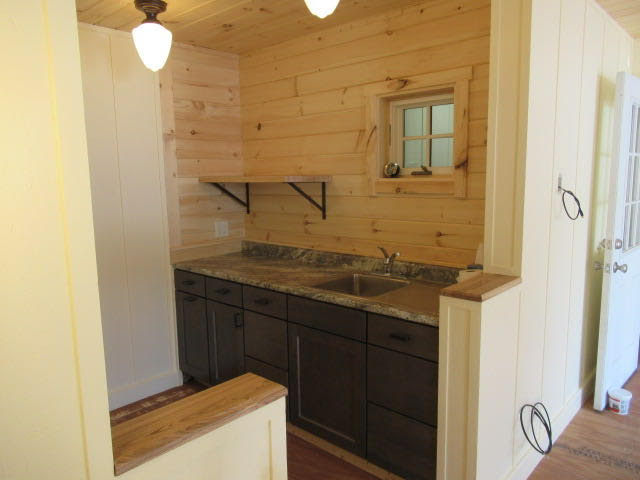
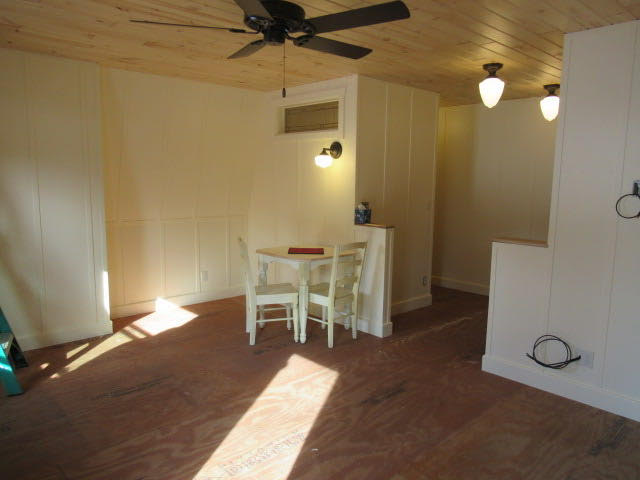
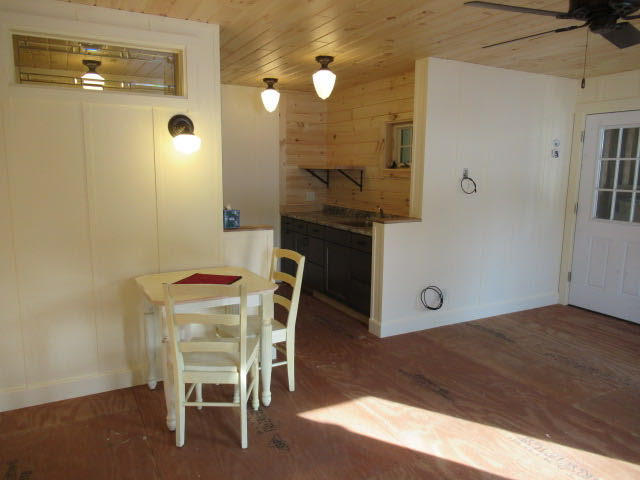


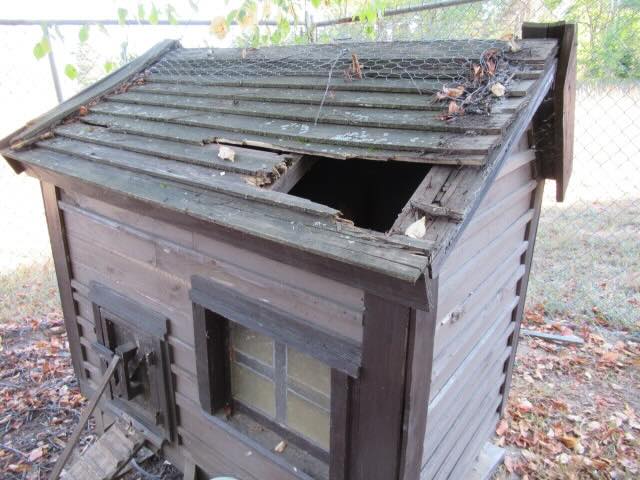

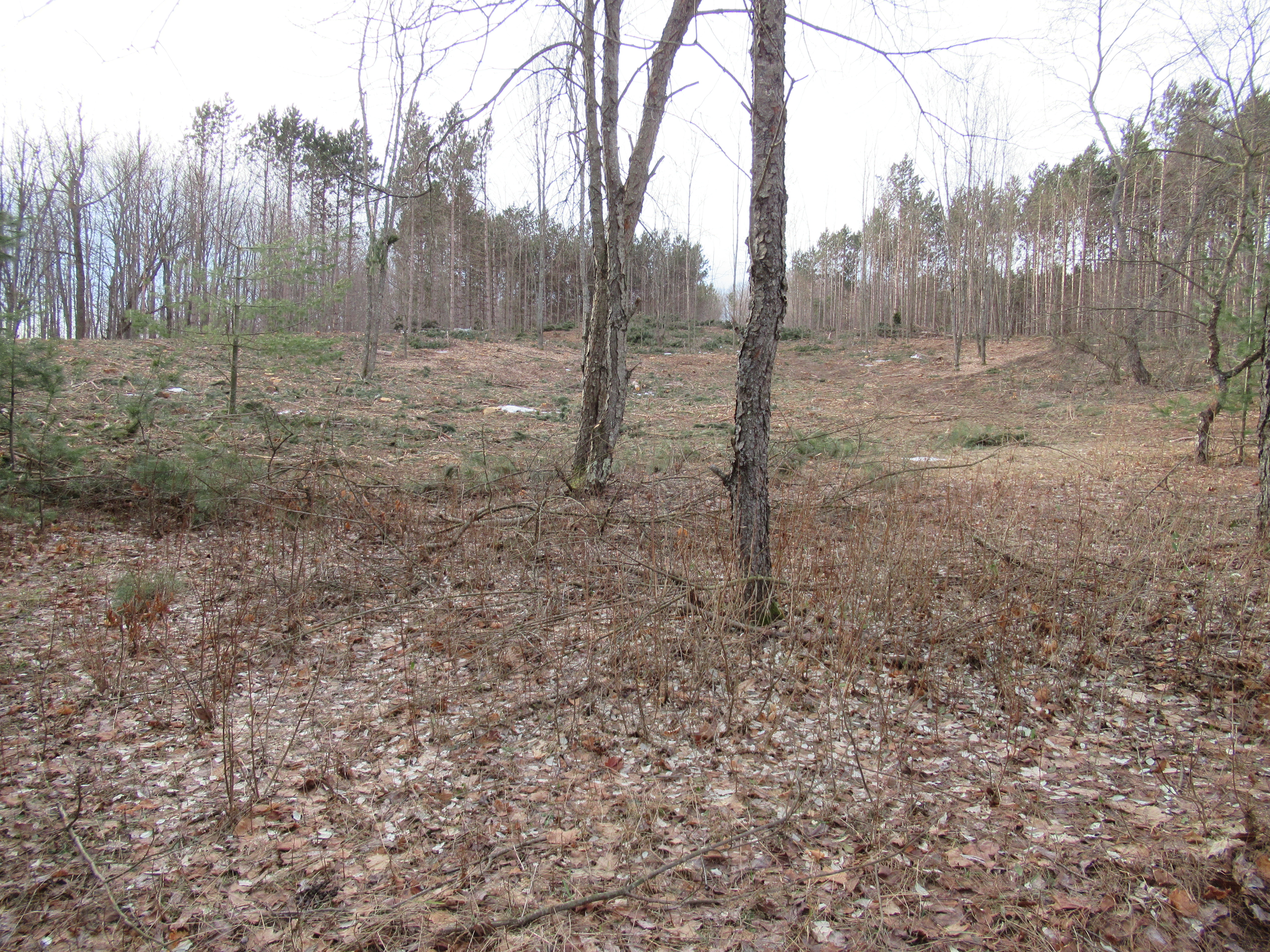
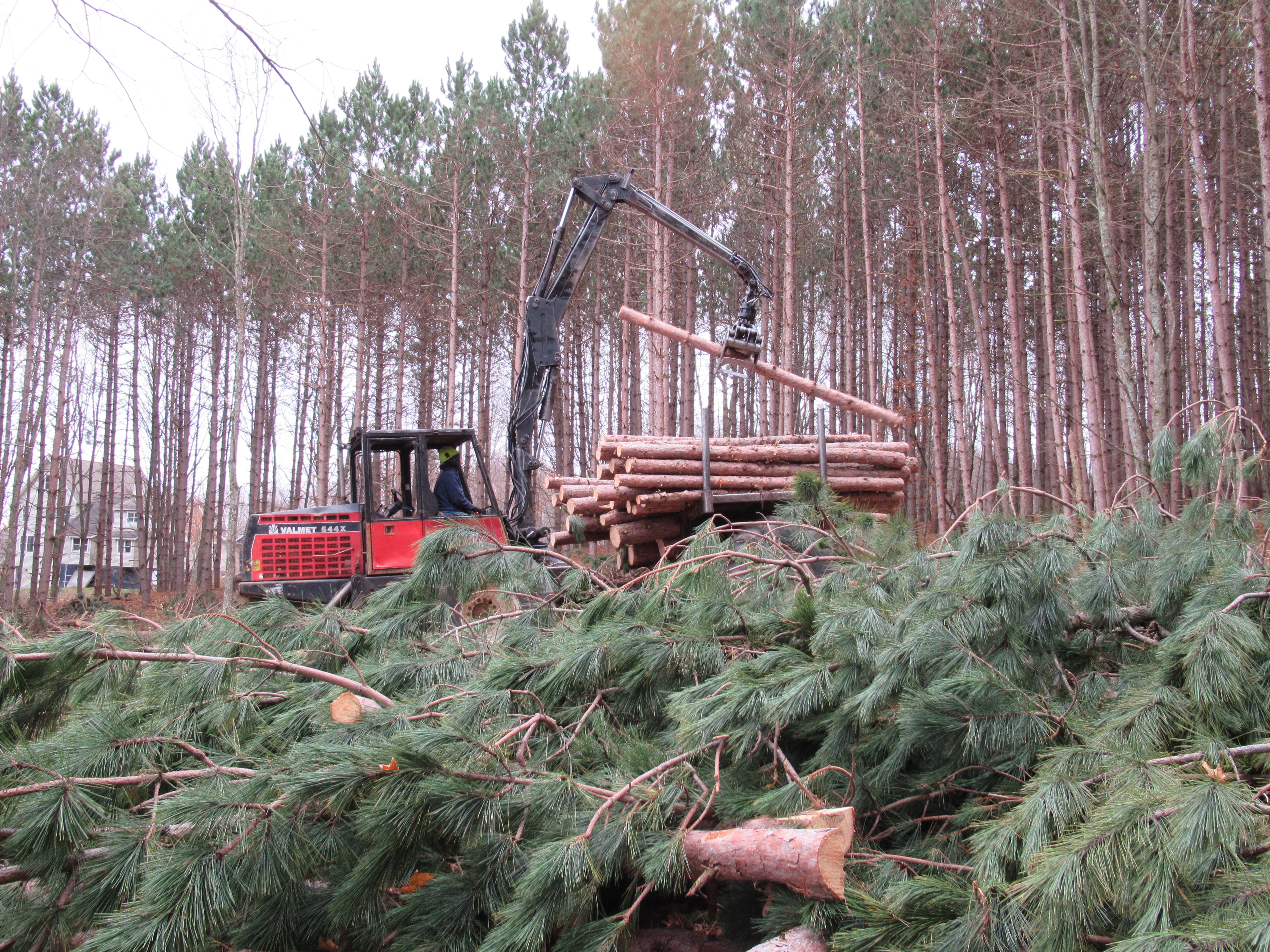
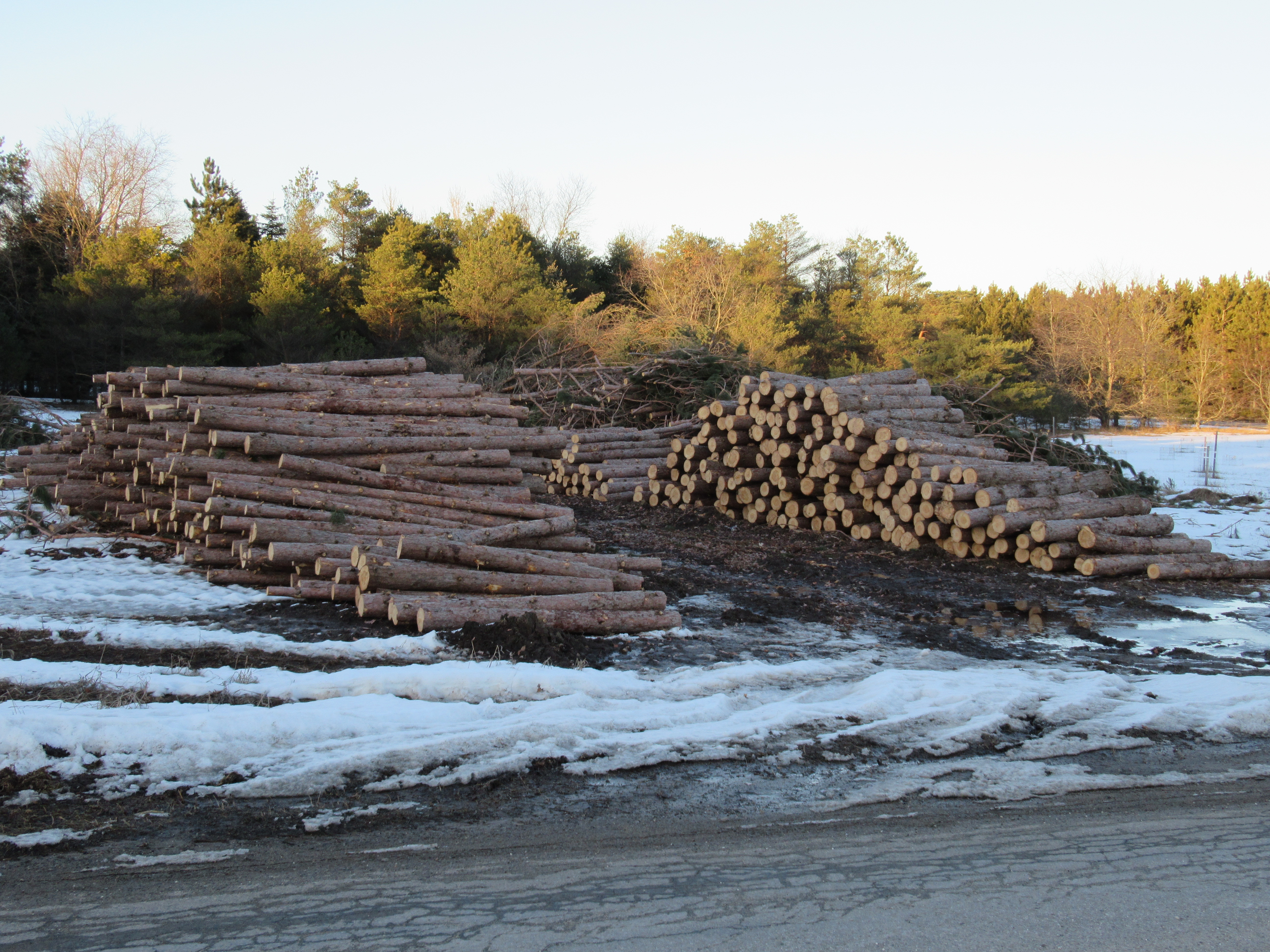
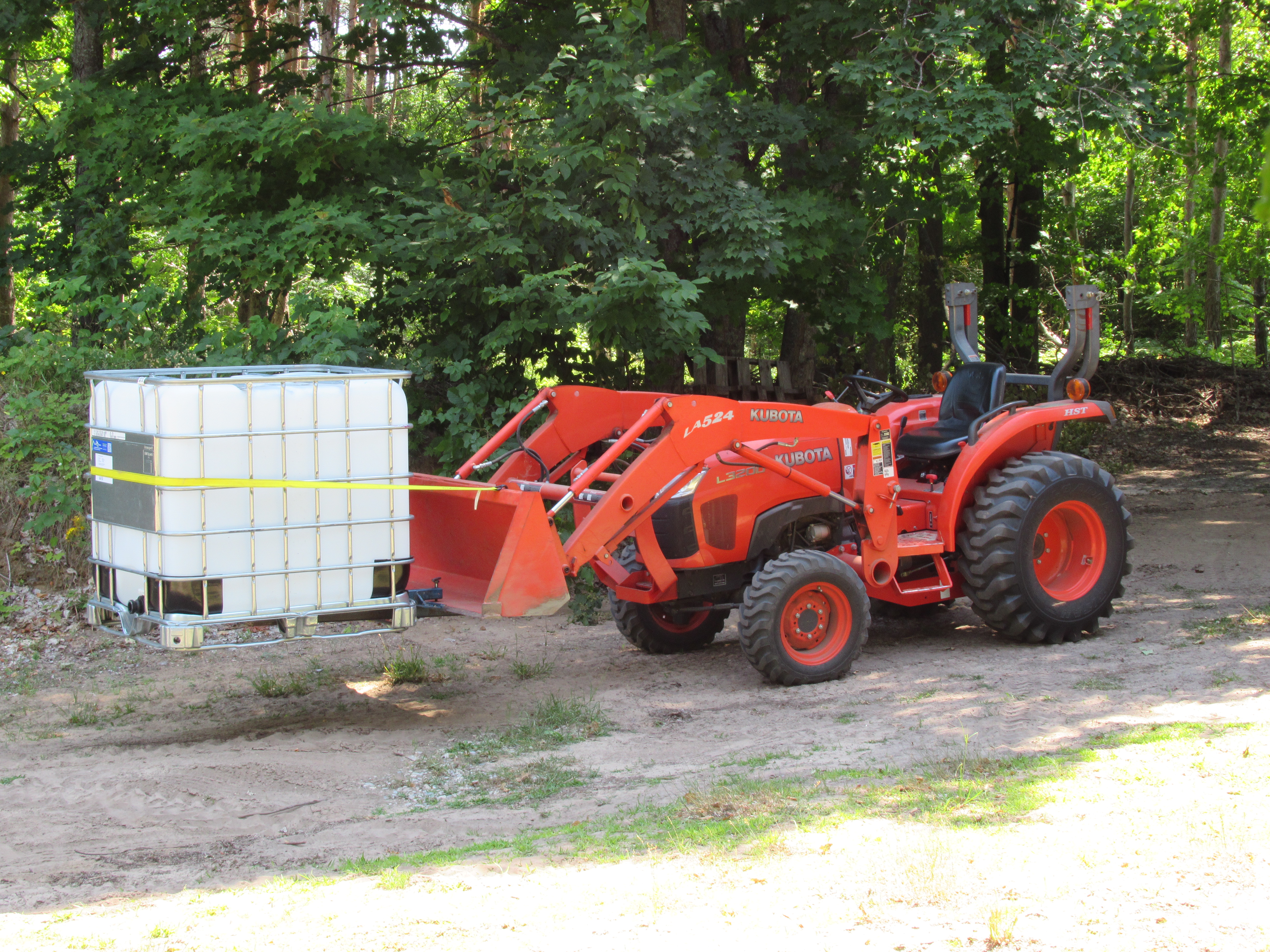
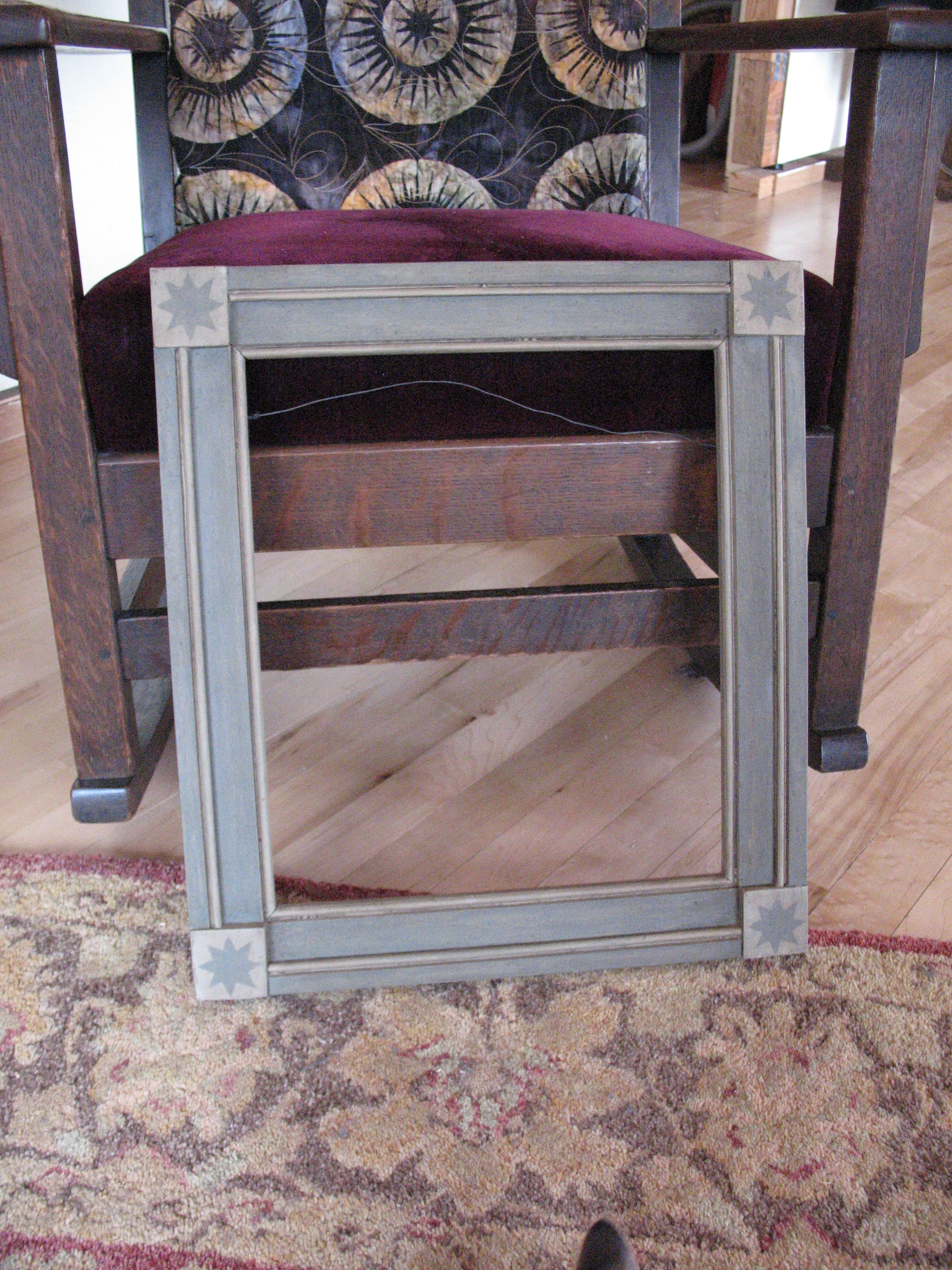
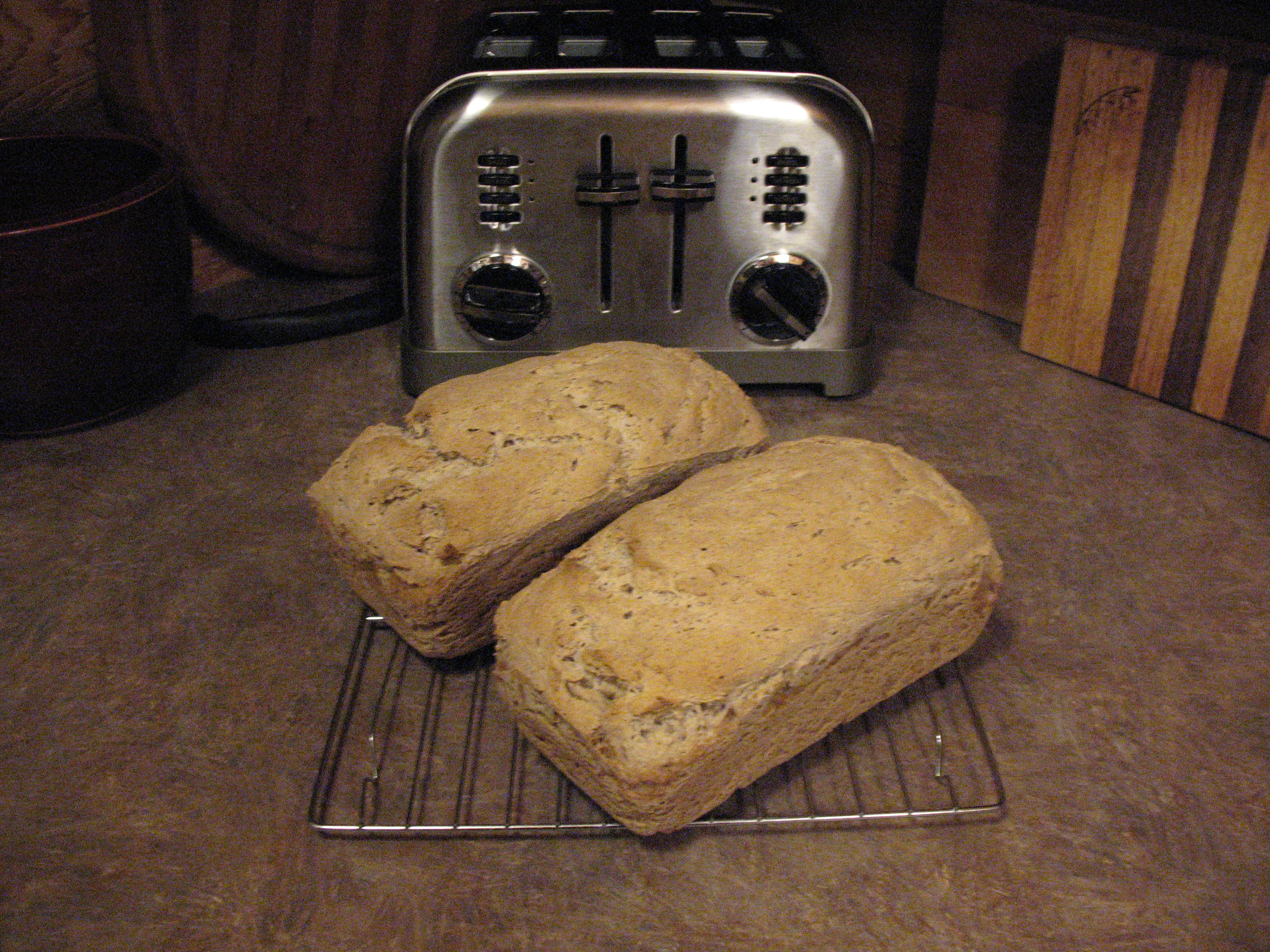
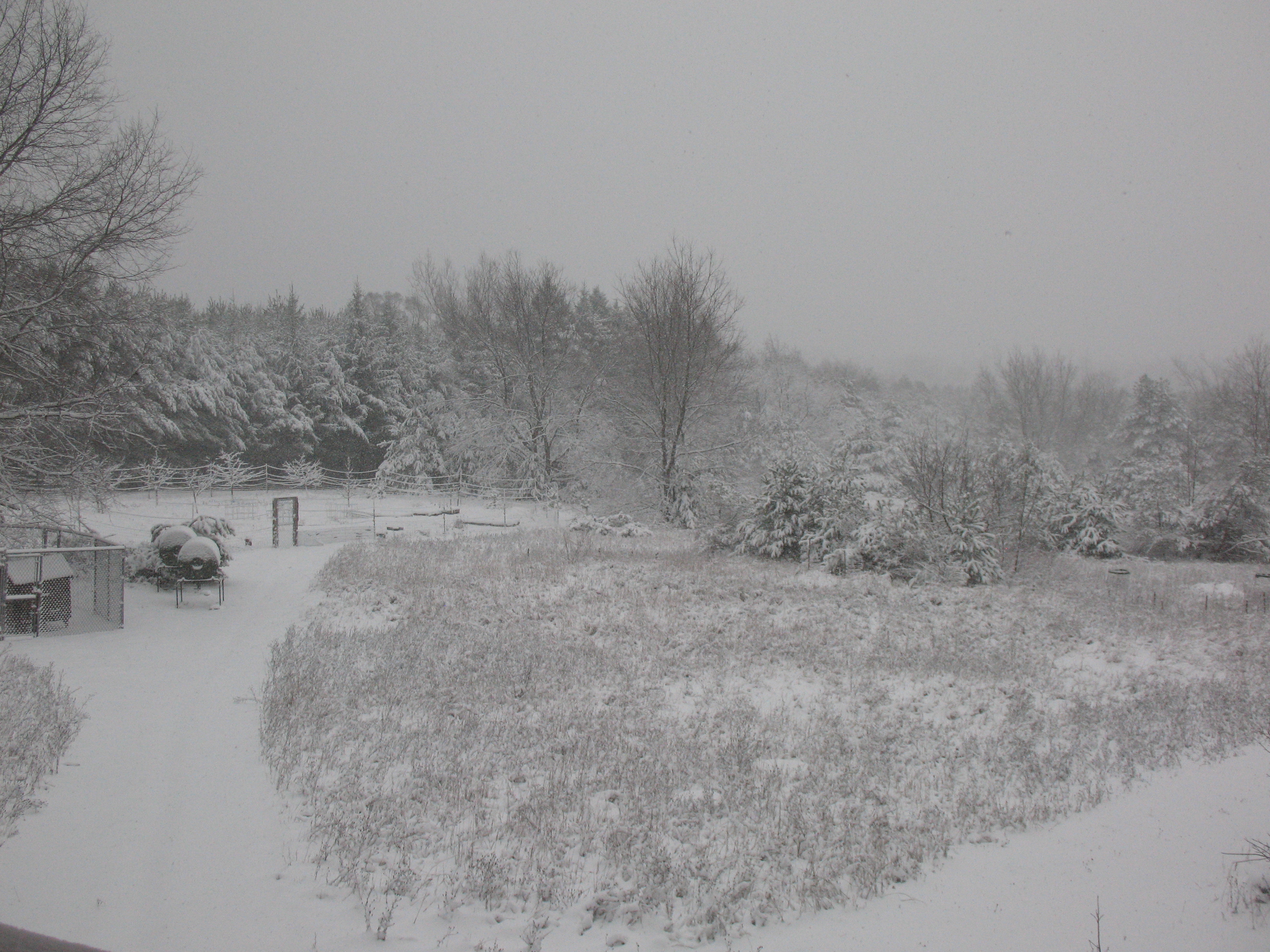

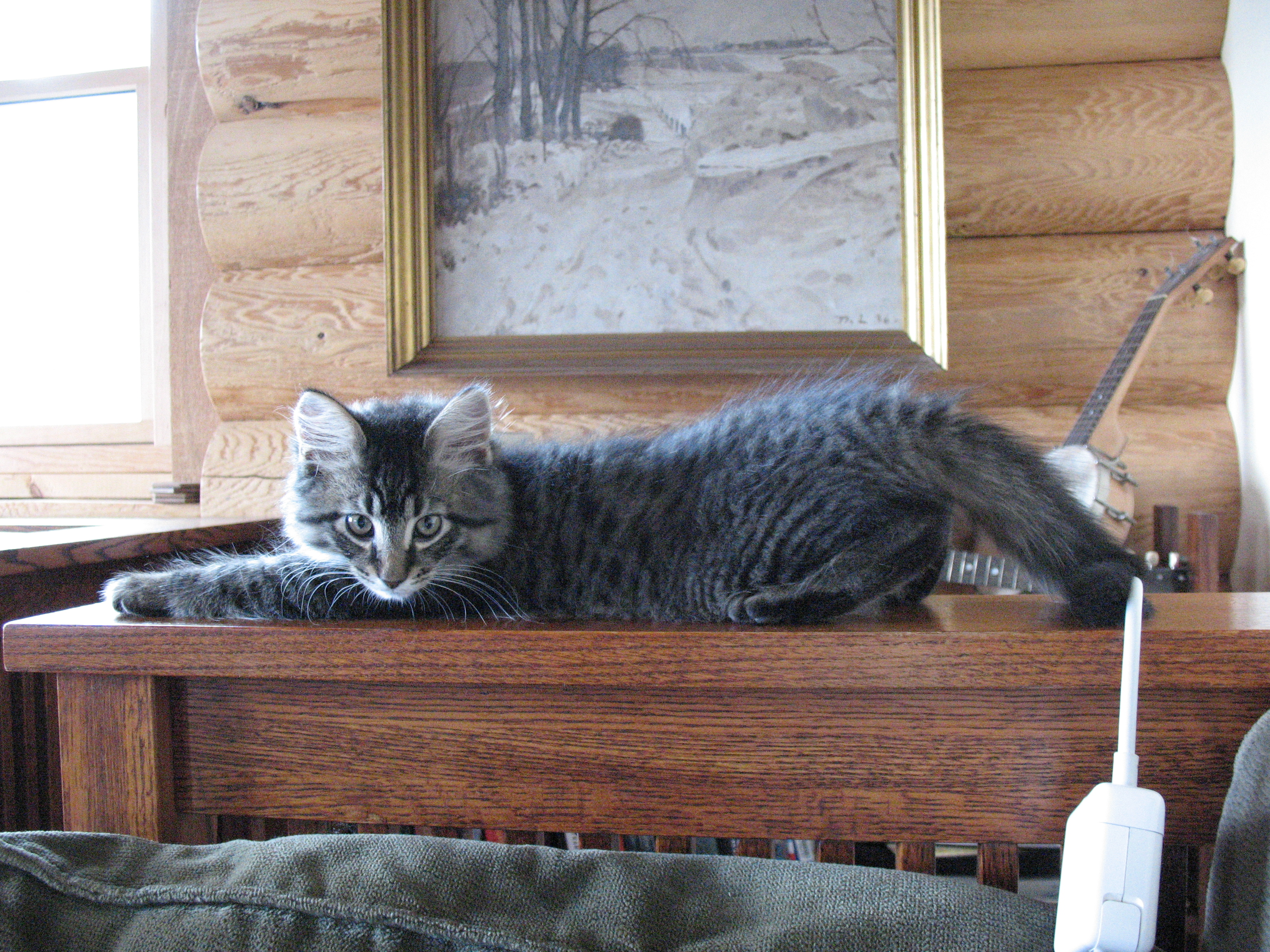


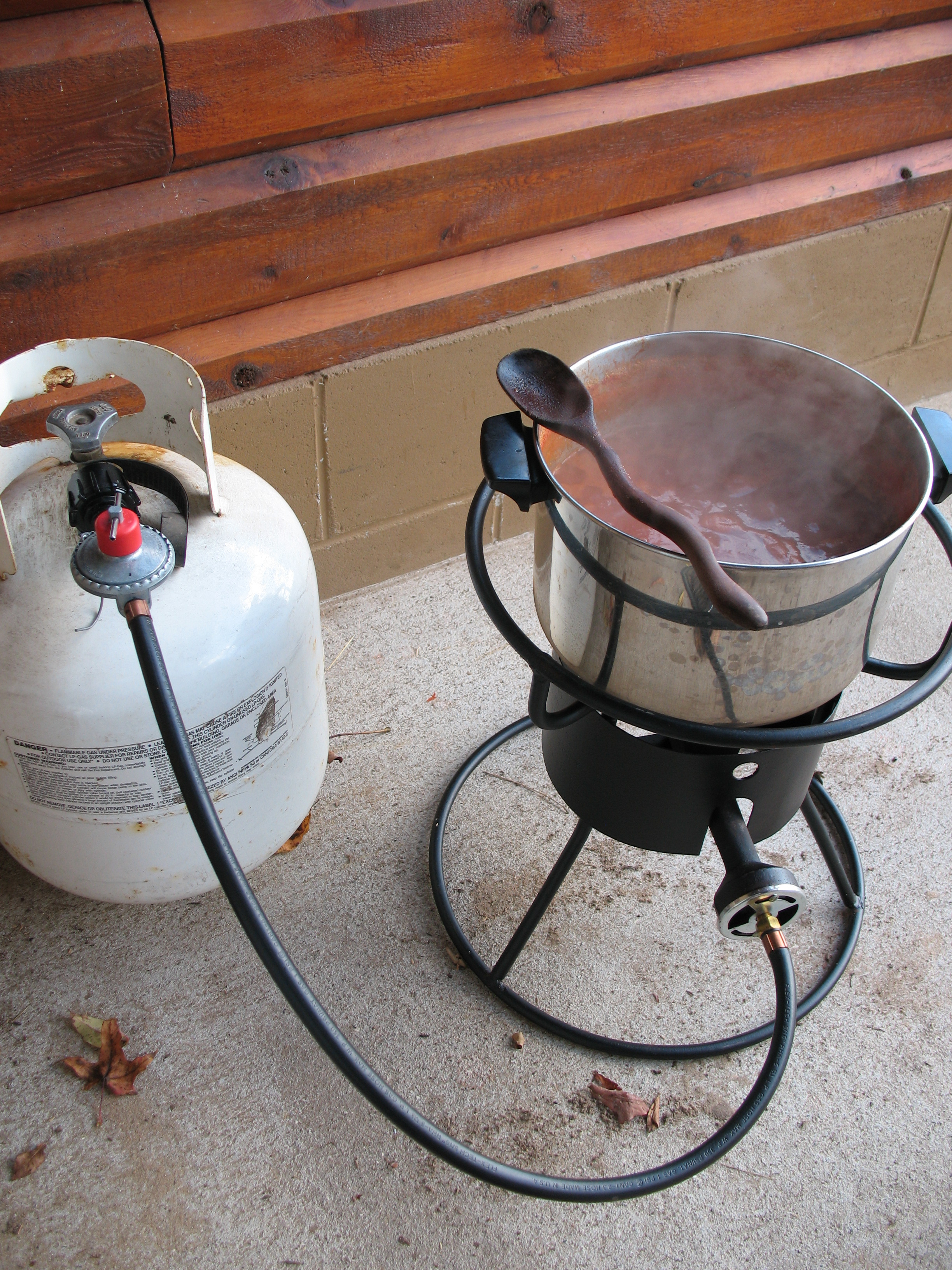
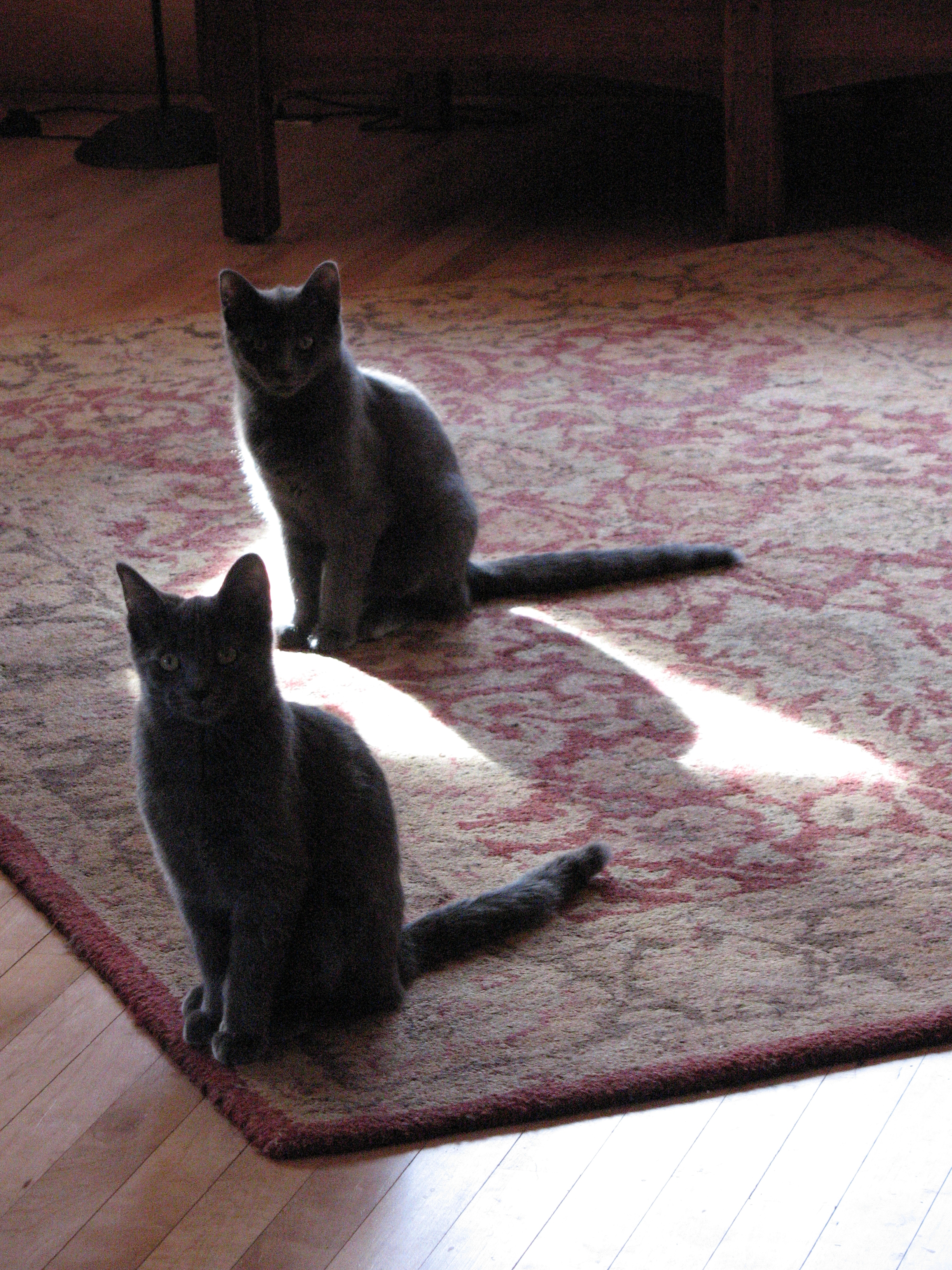
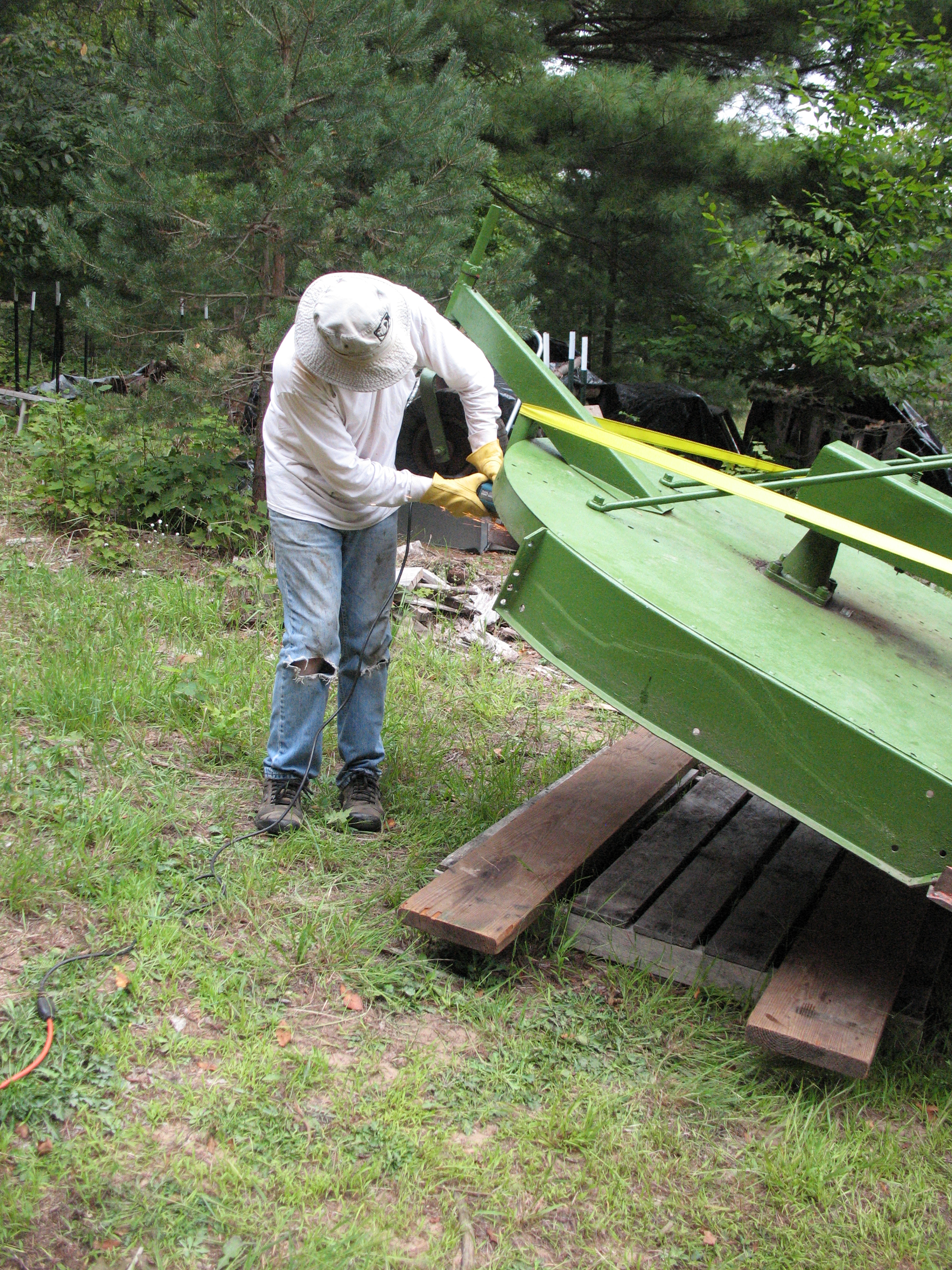
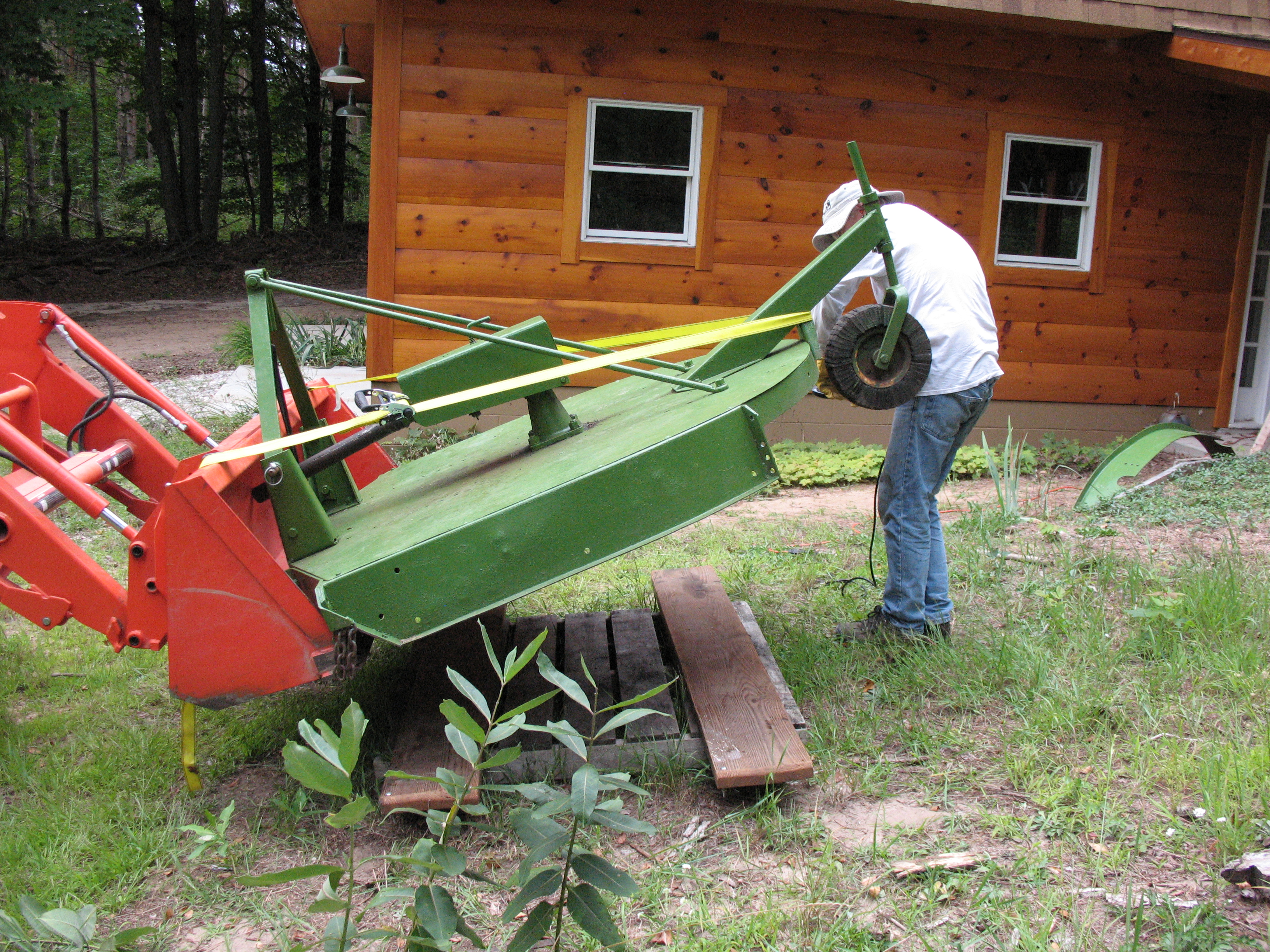

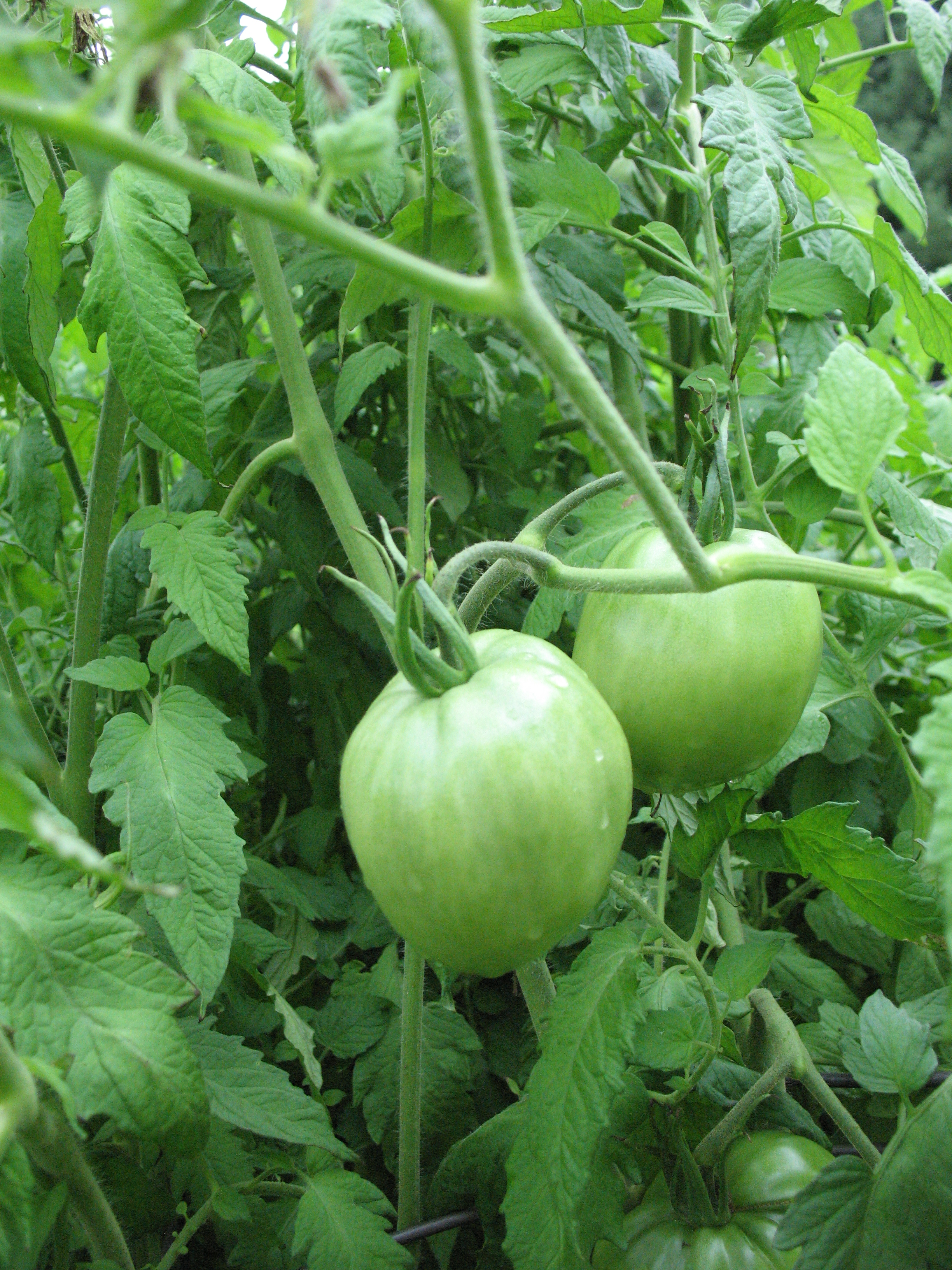
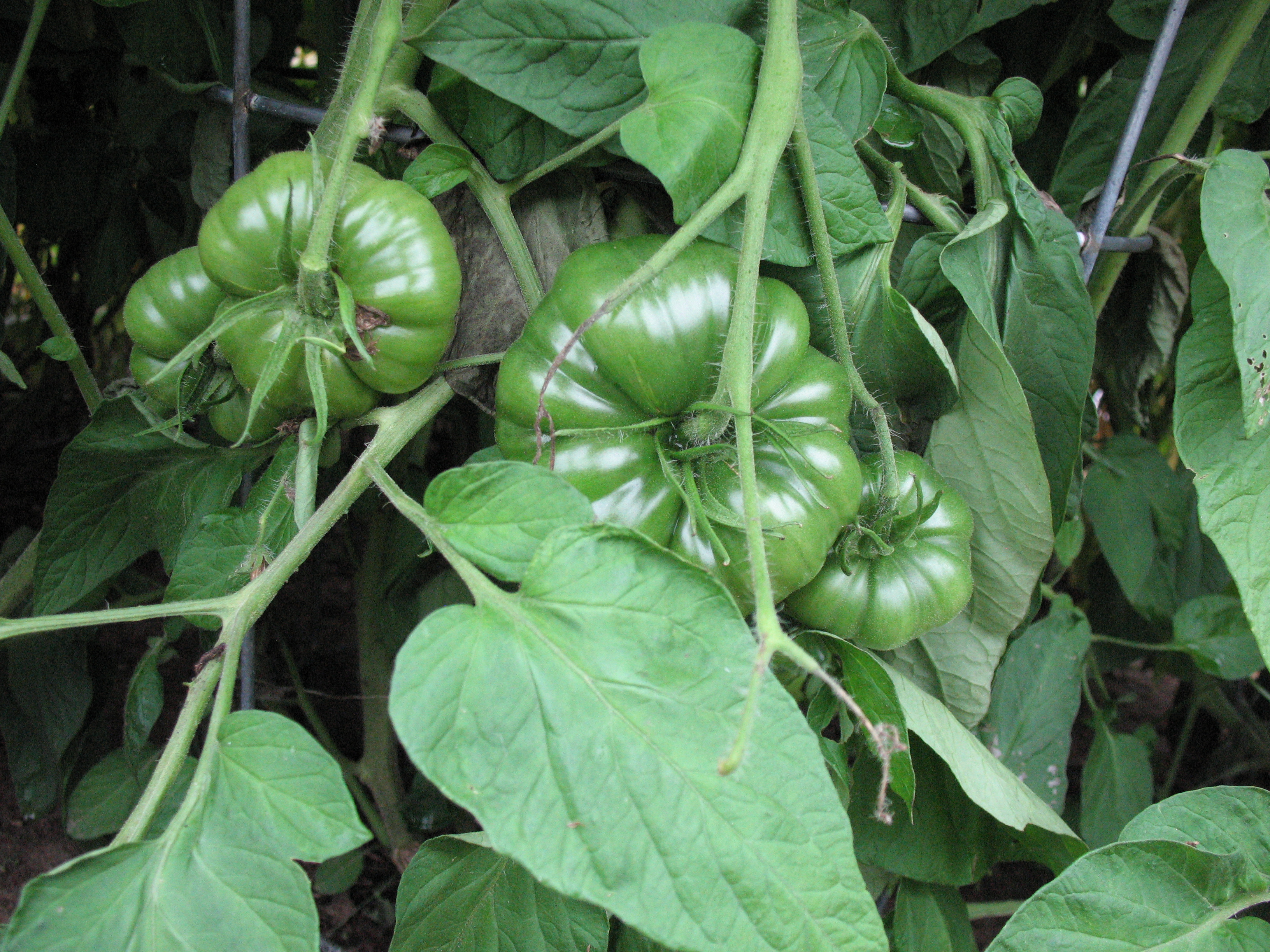
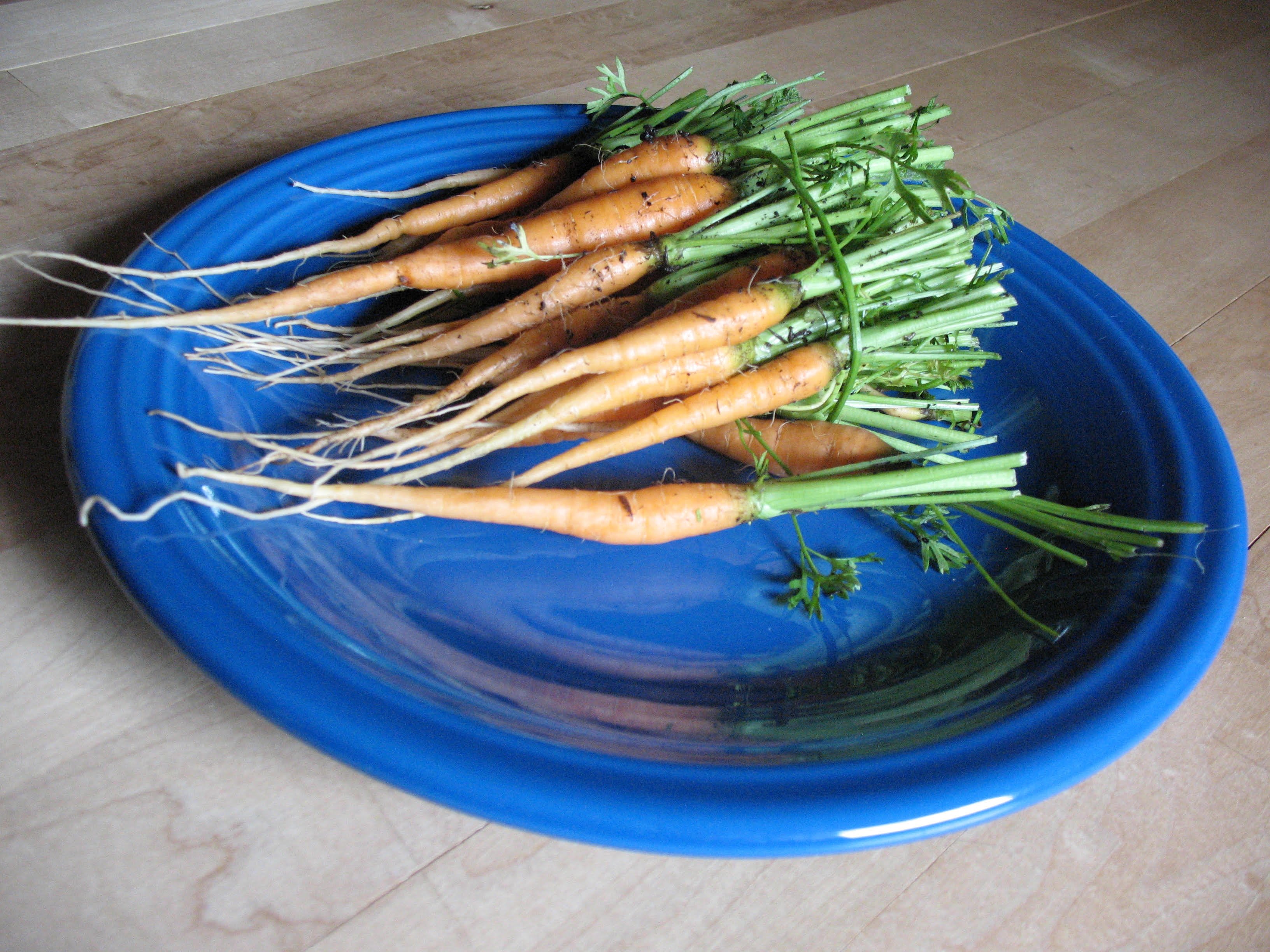

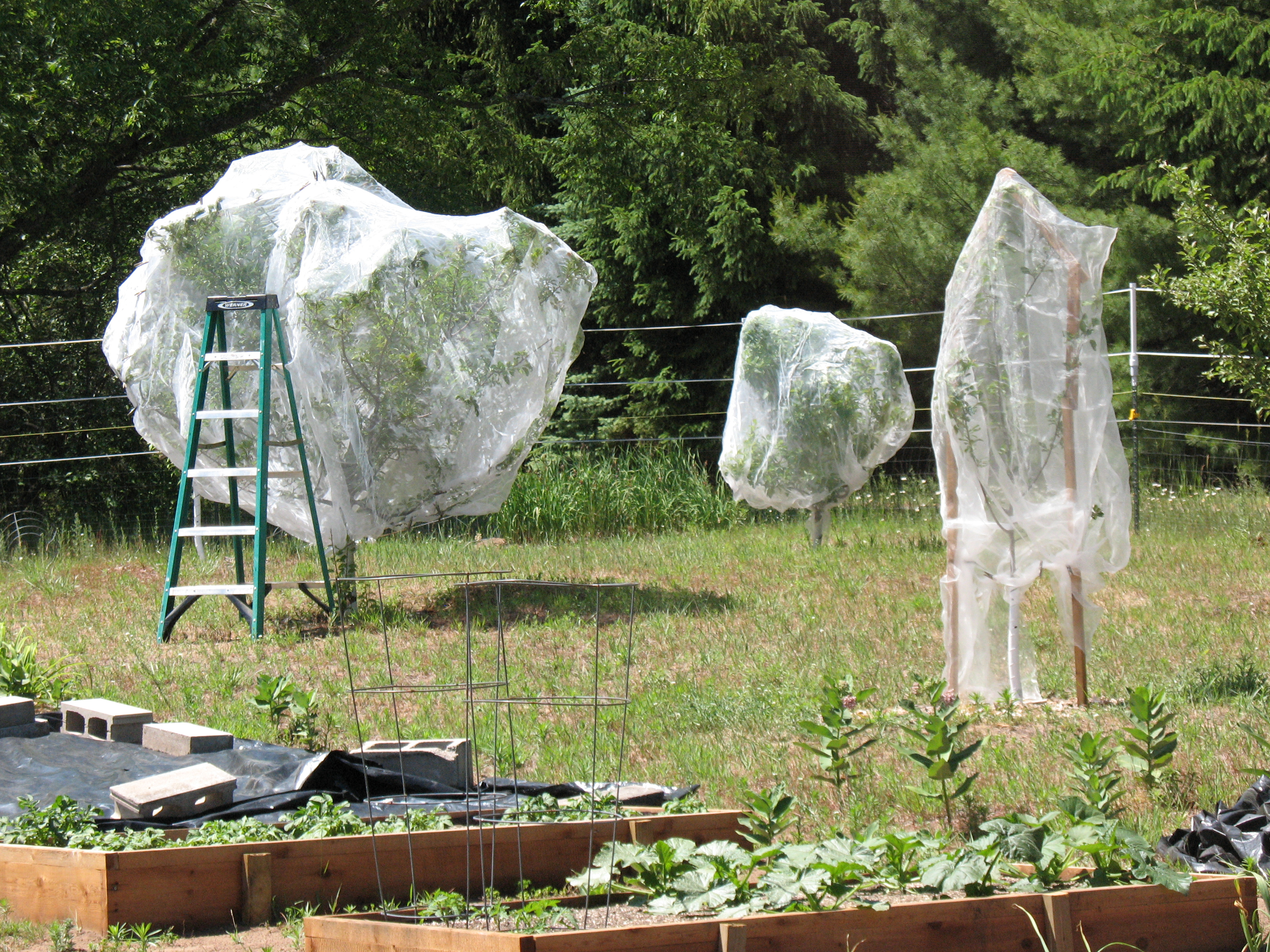

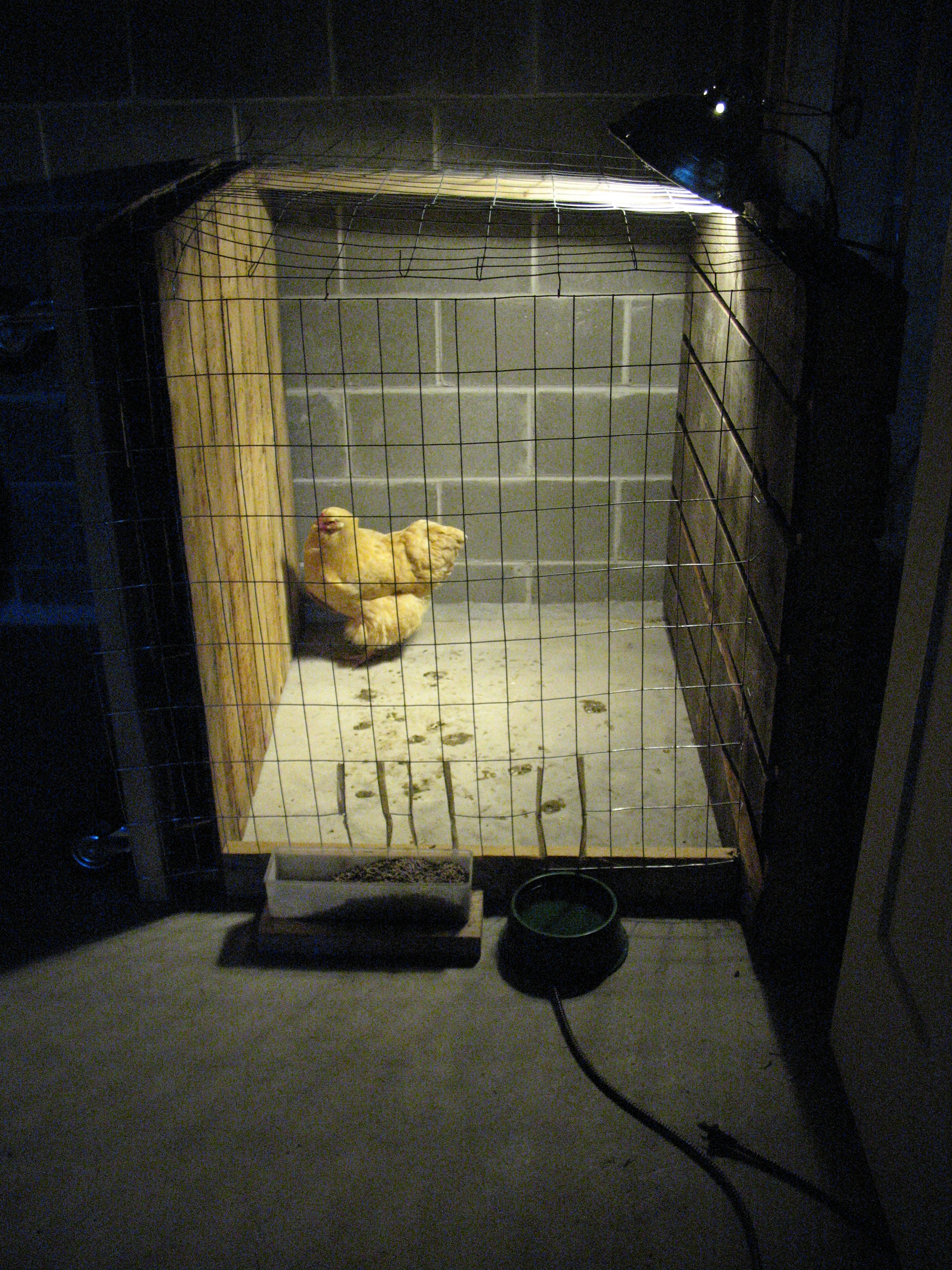

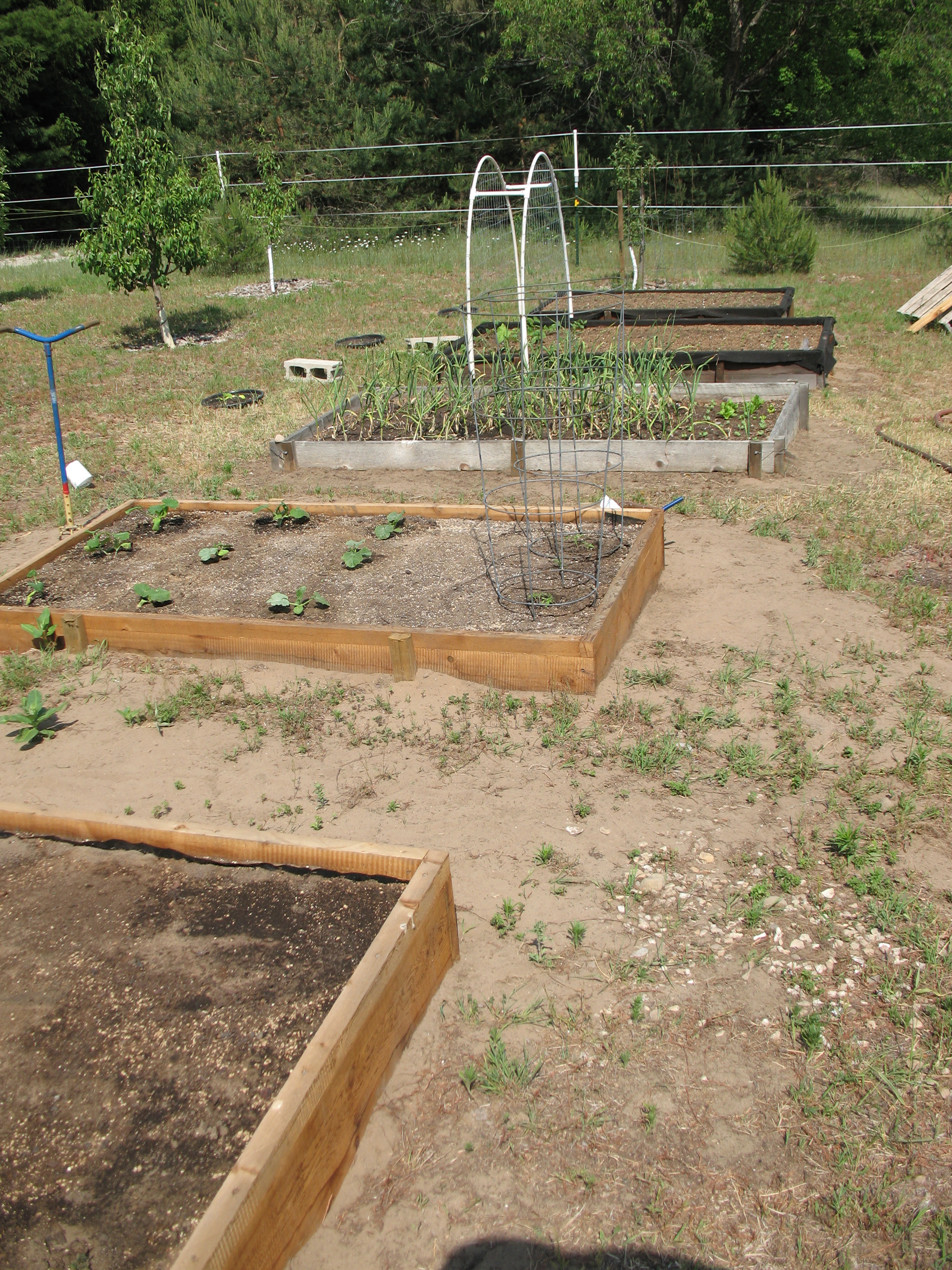
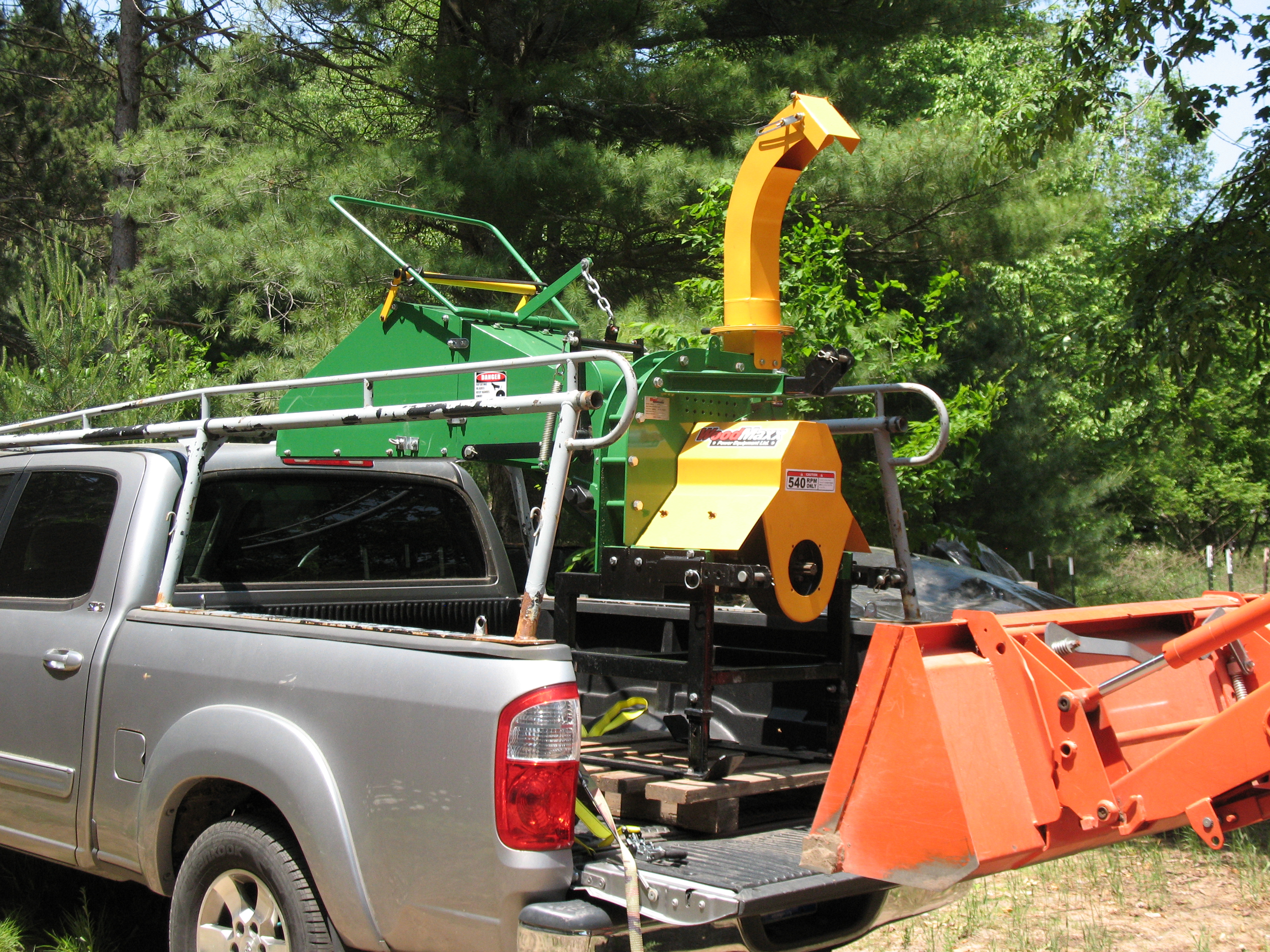
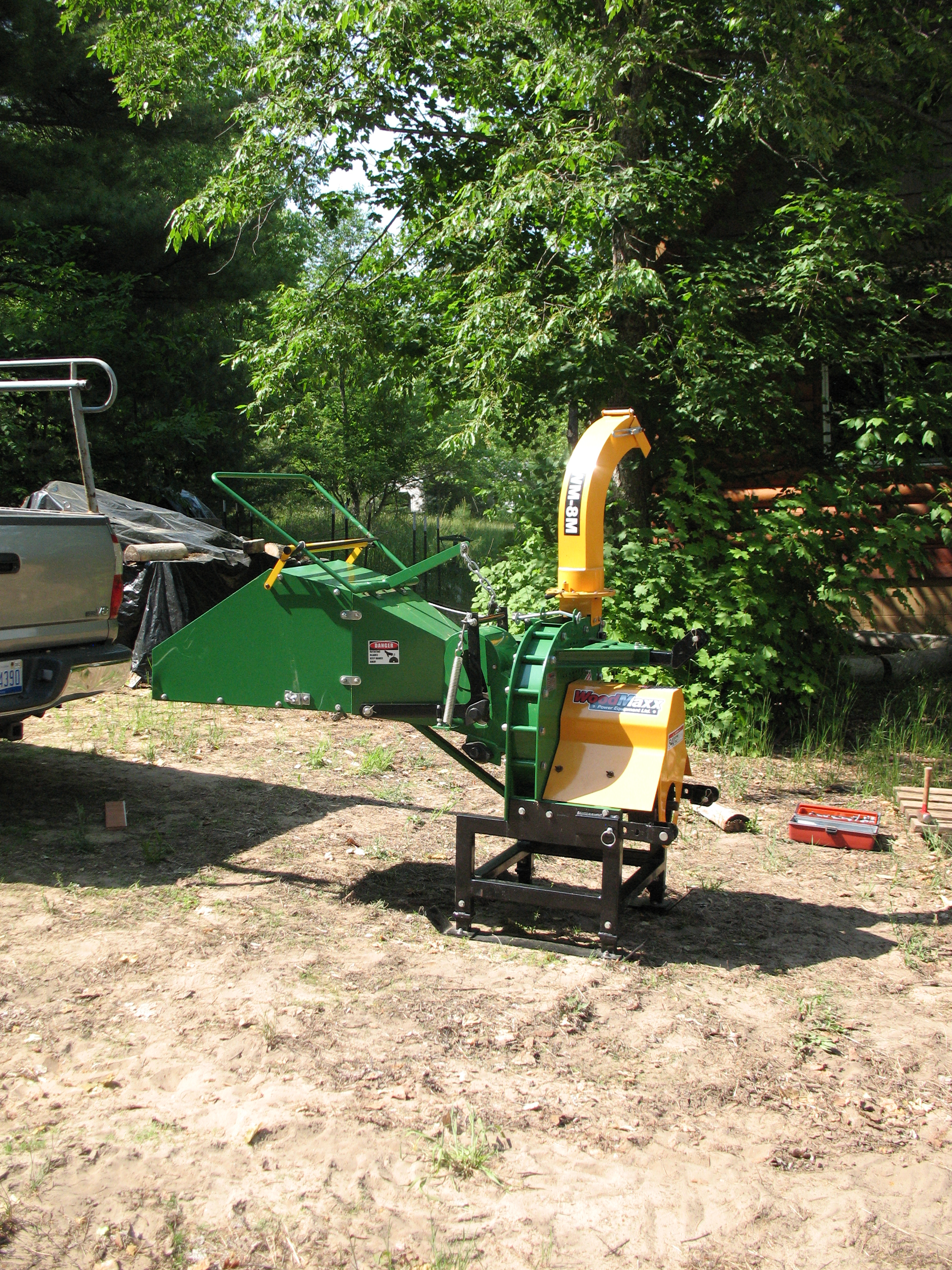


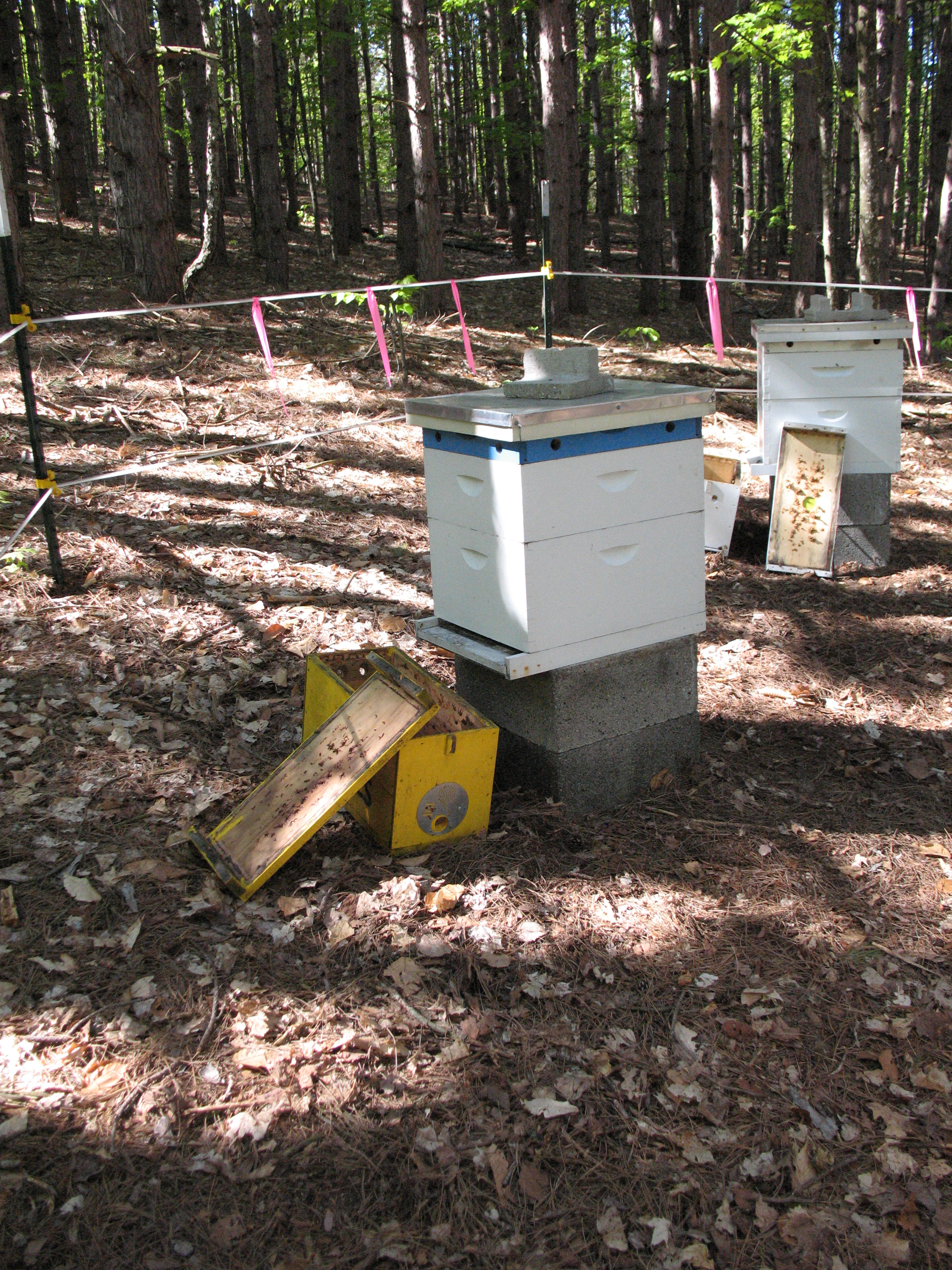
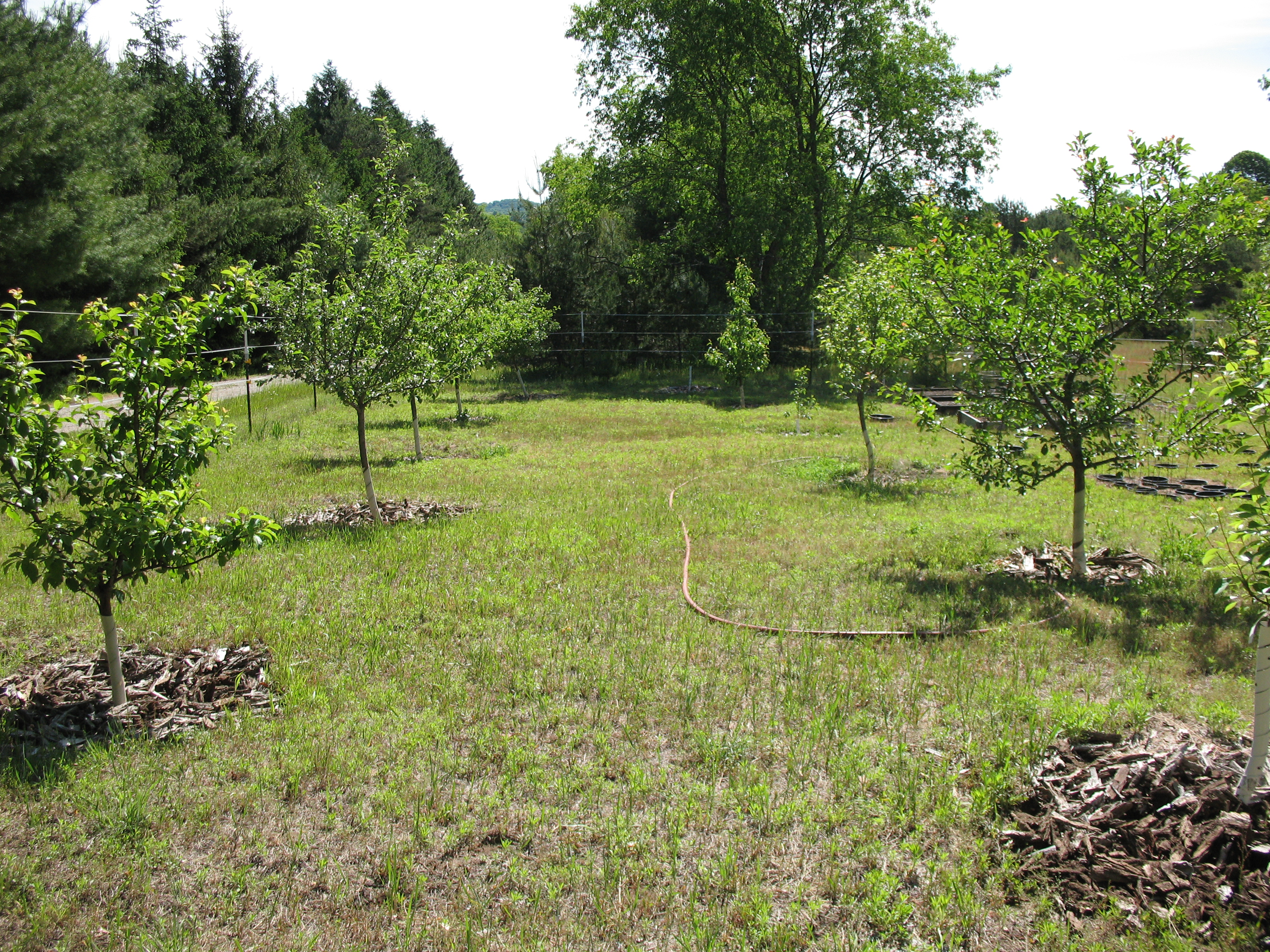
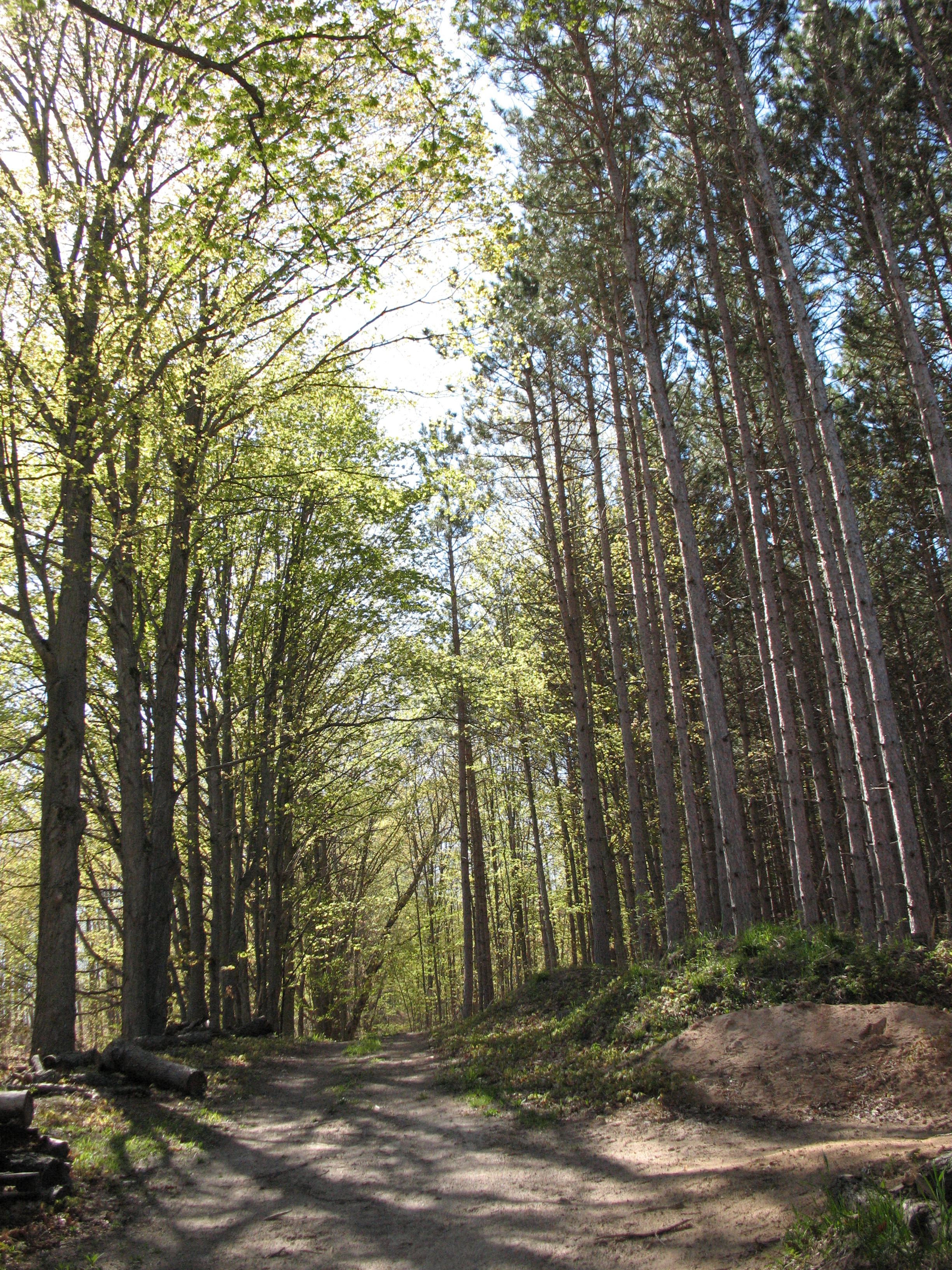


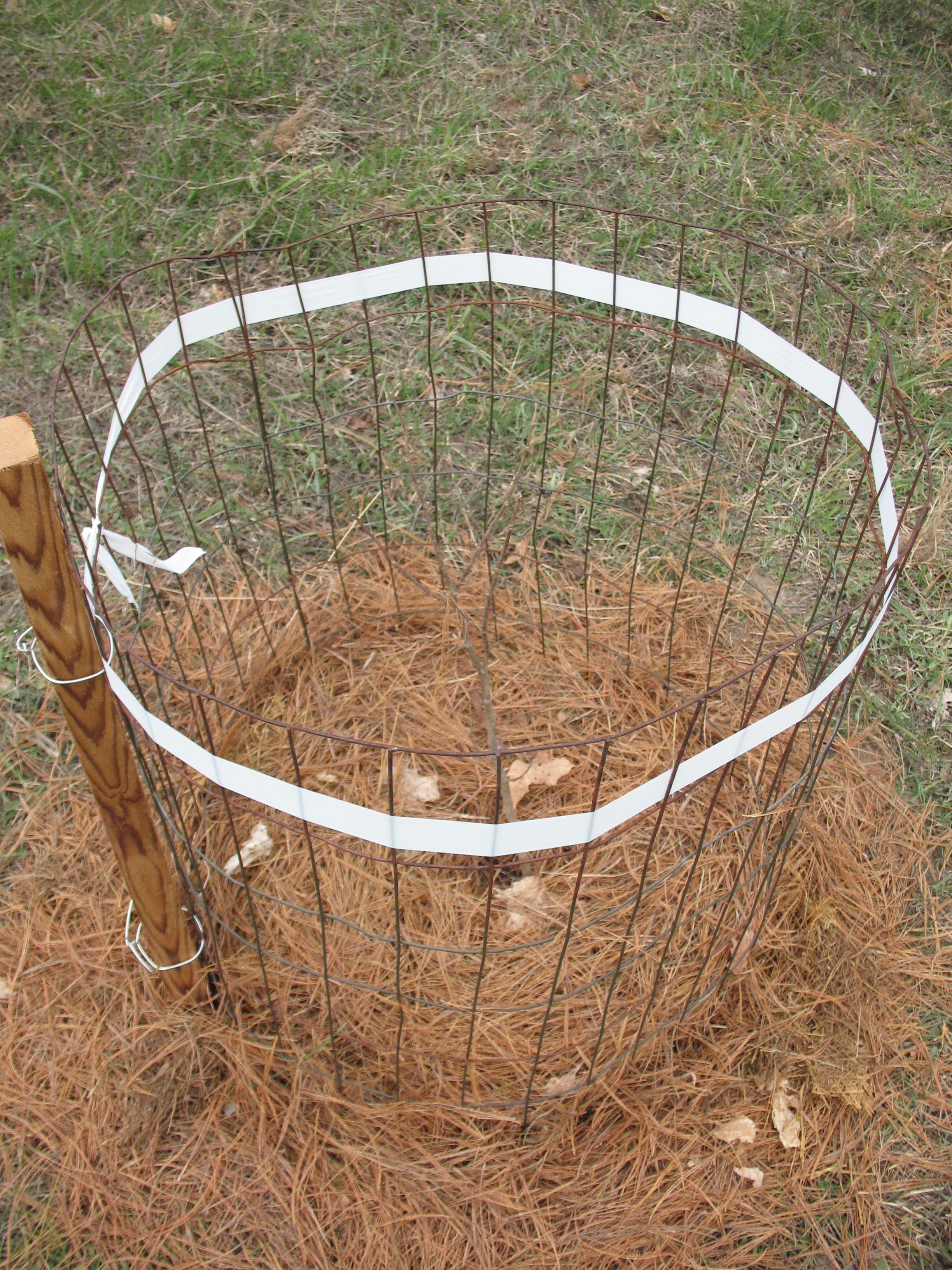


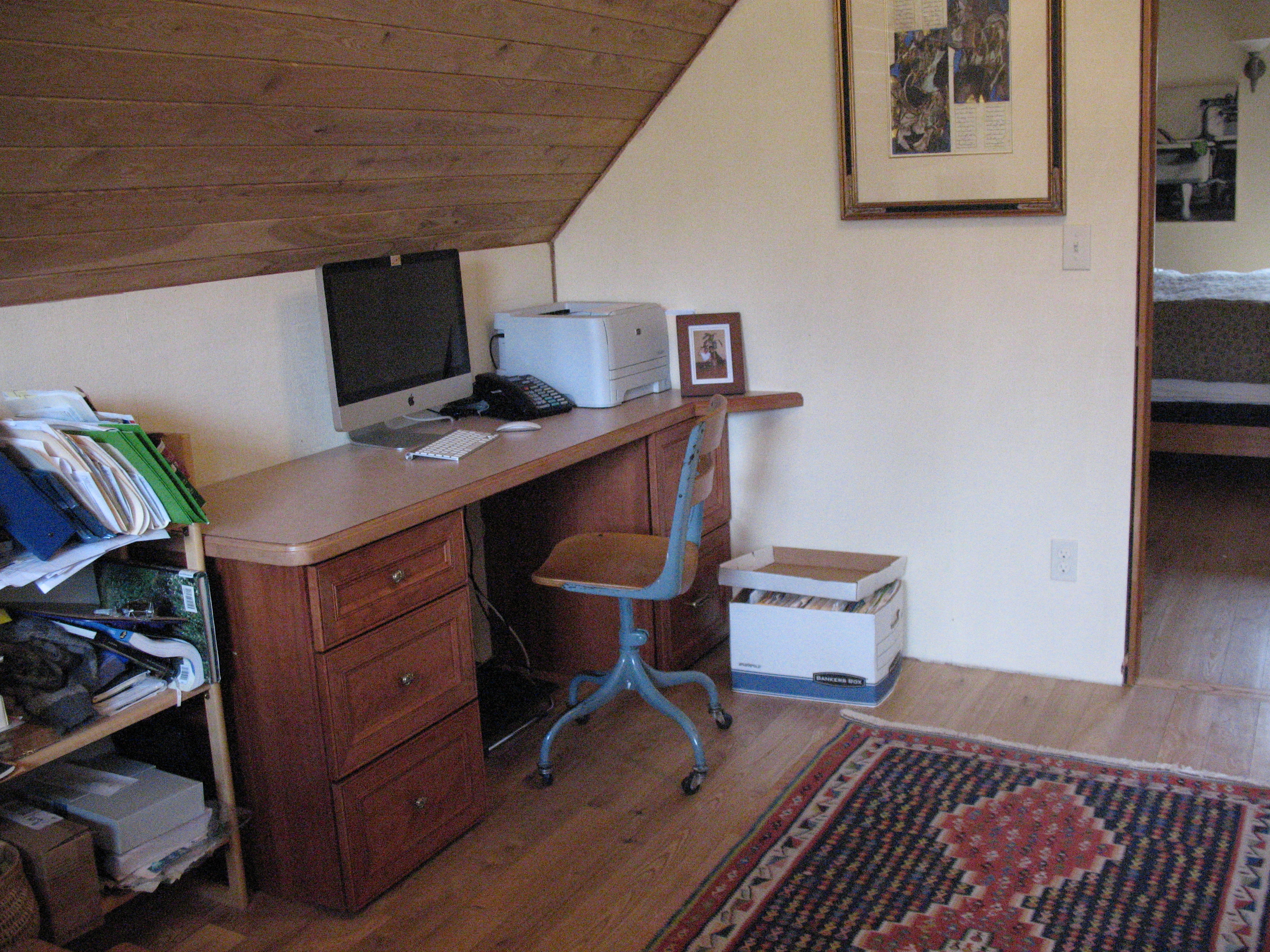
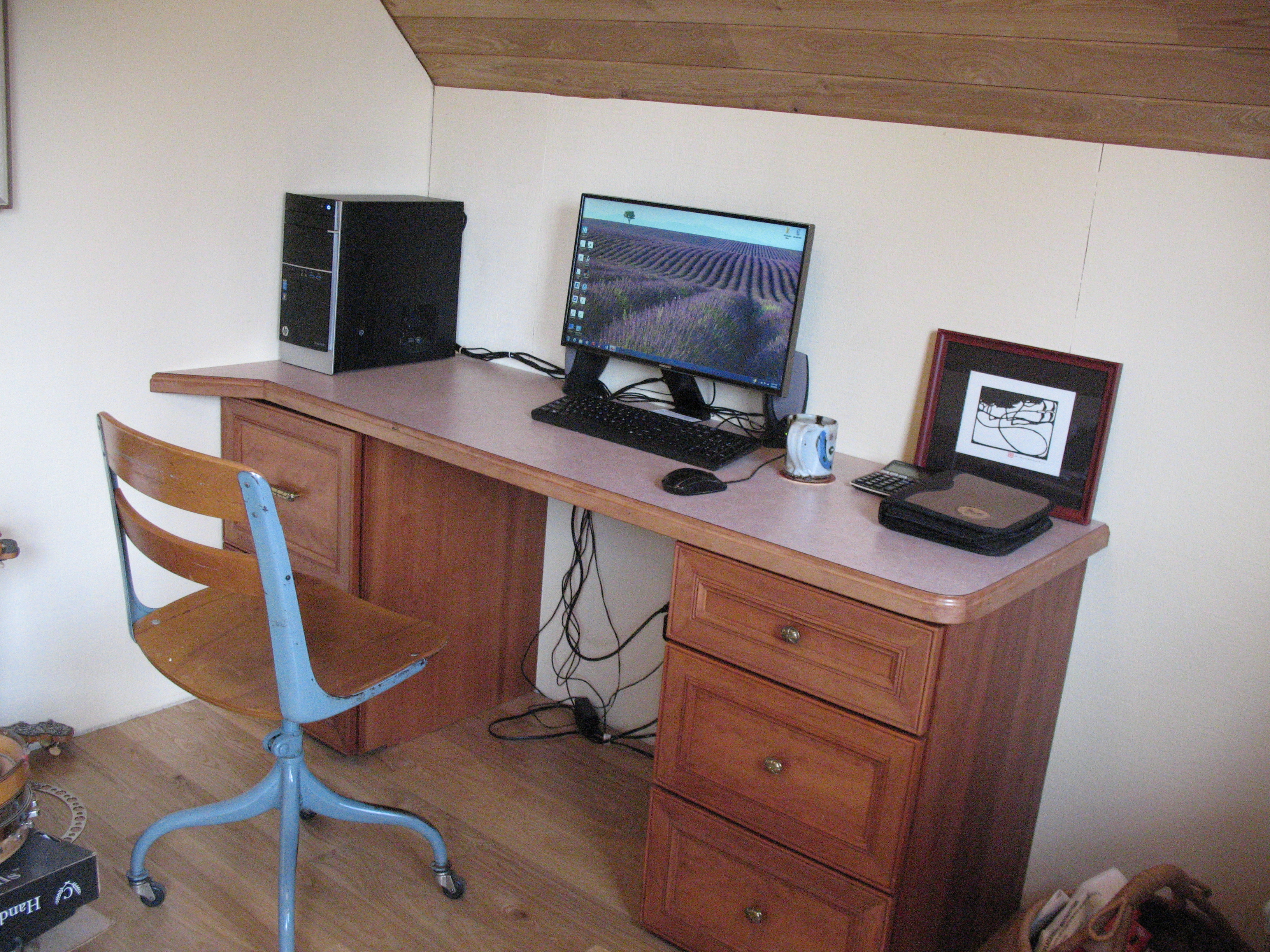
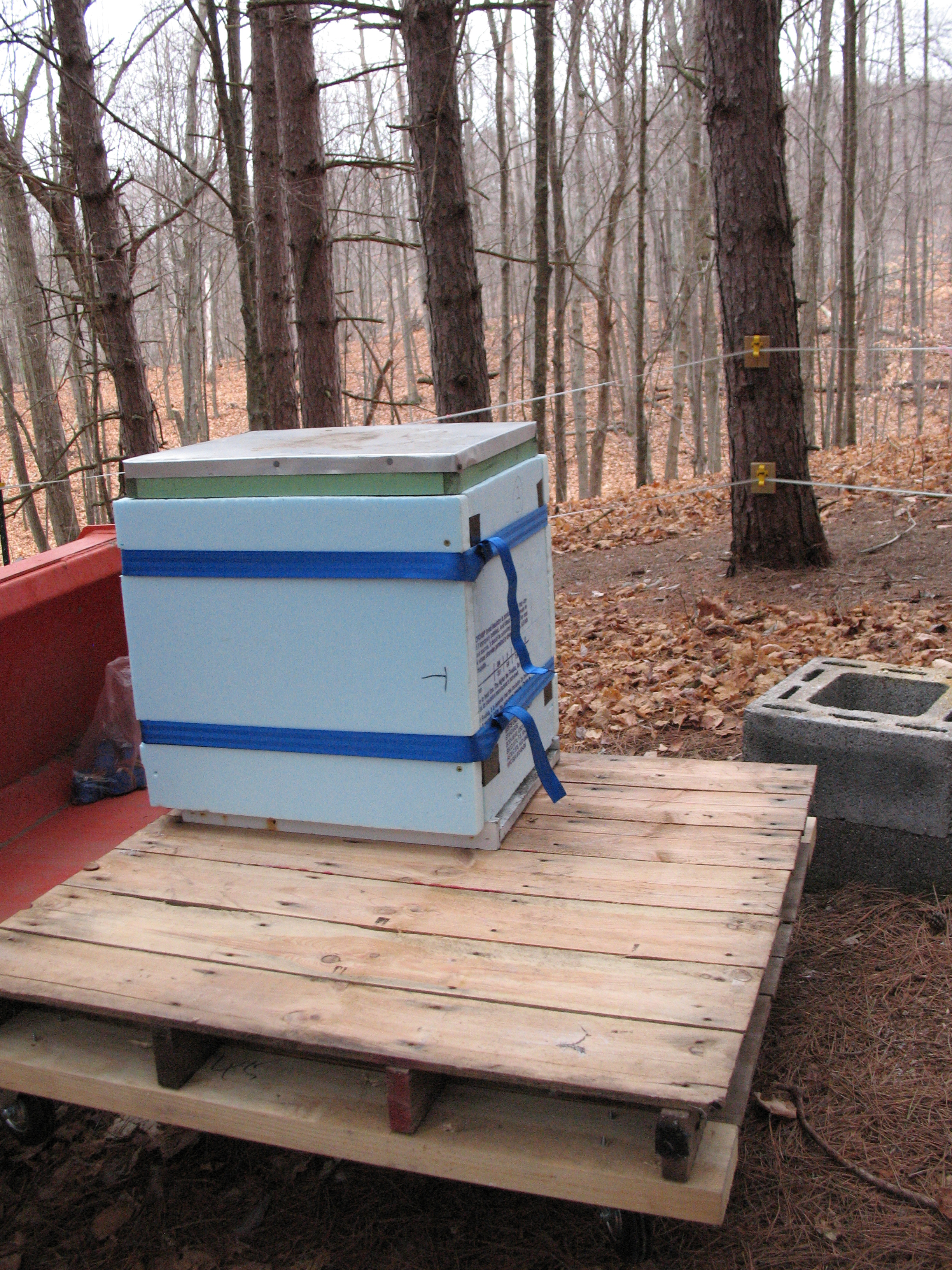
 tworockchronicles