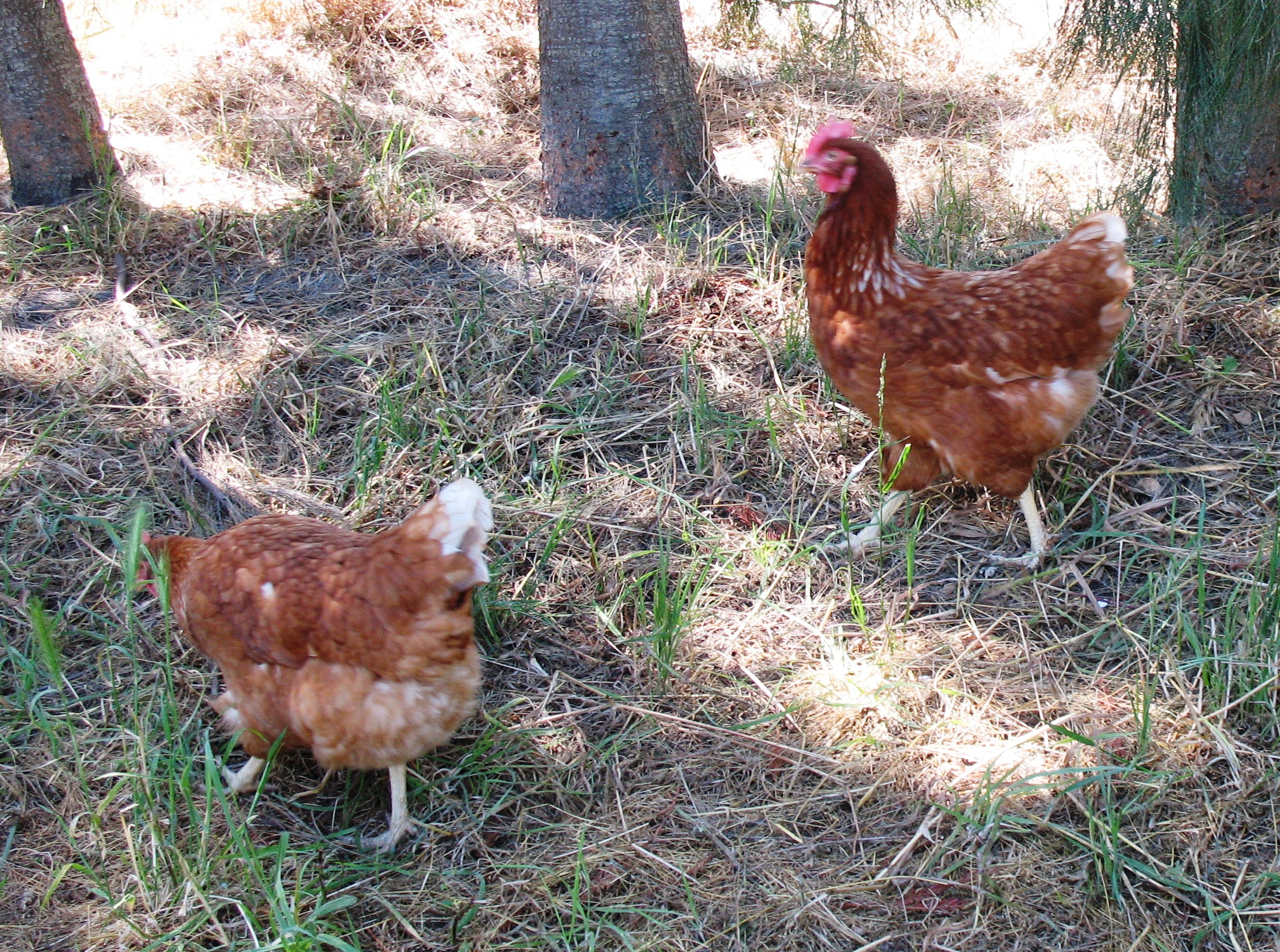
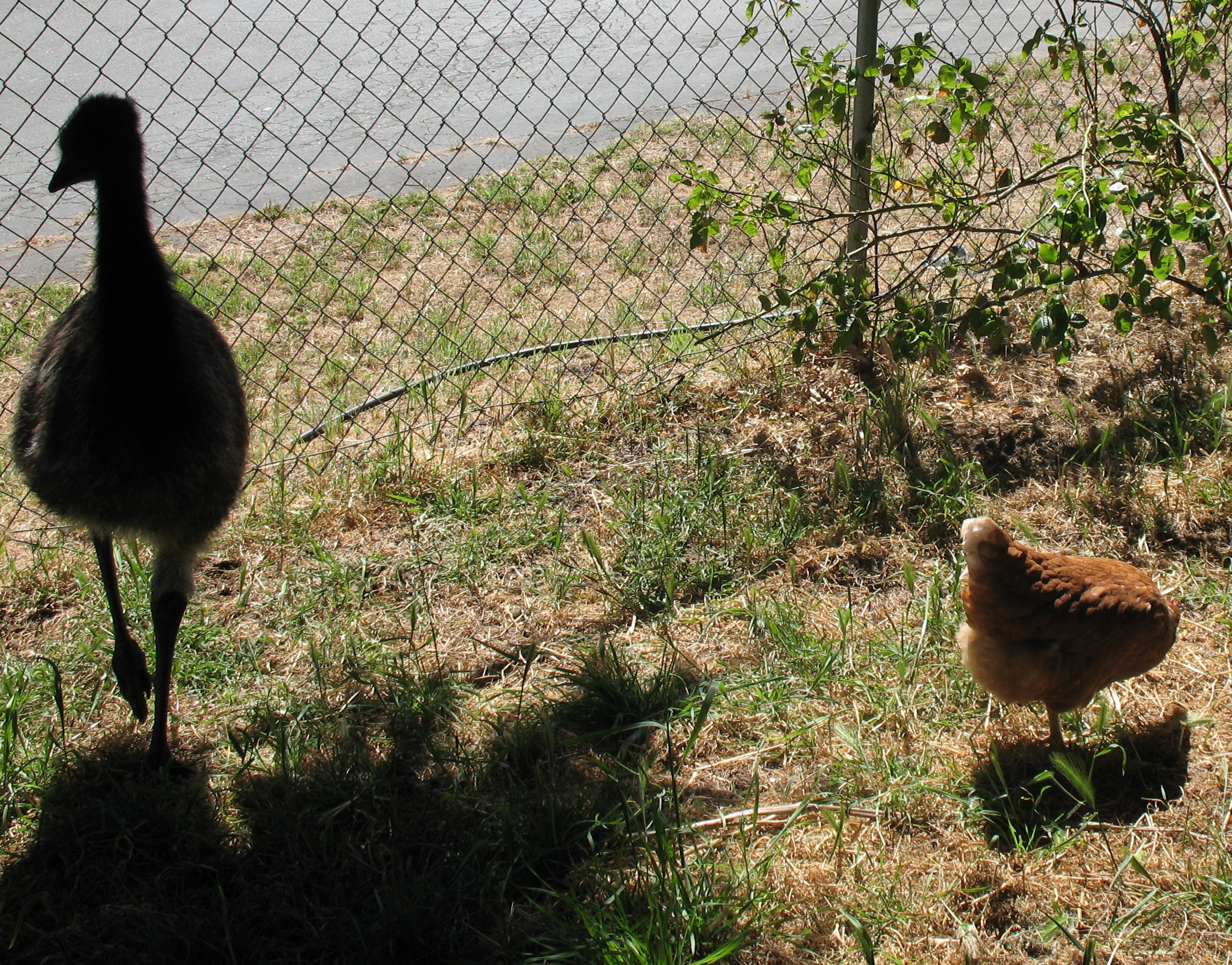
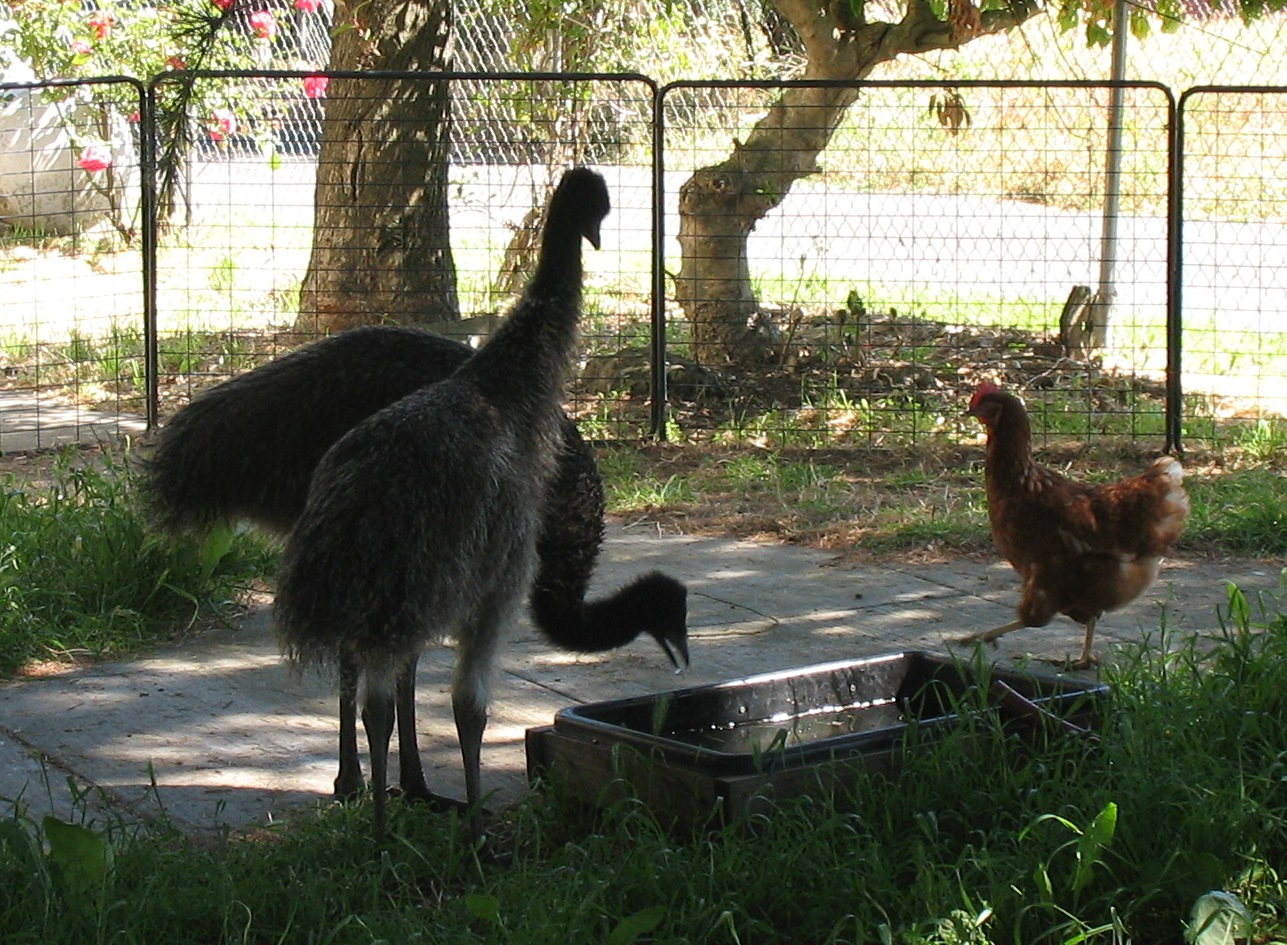
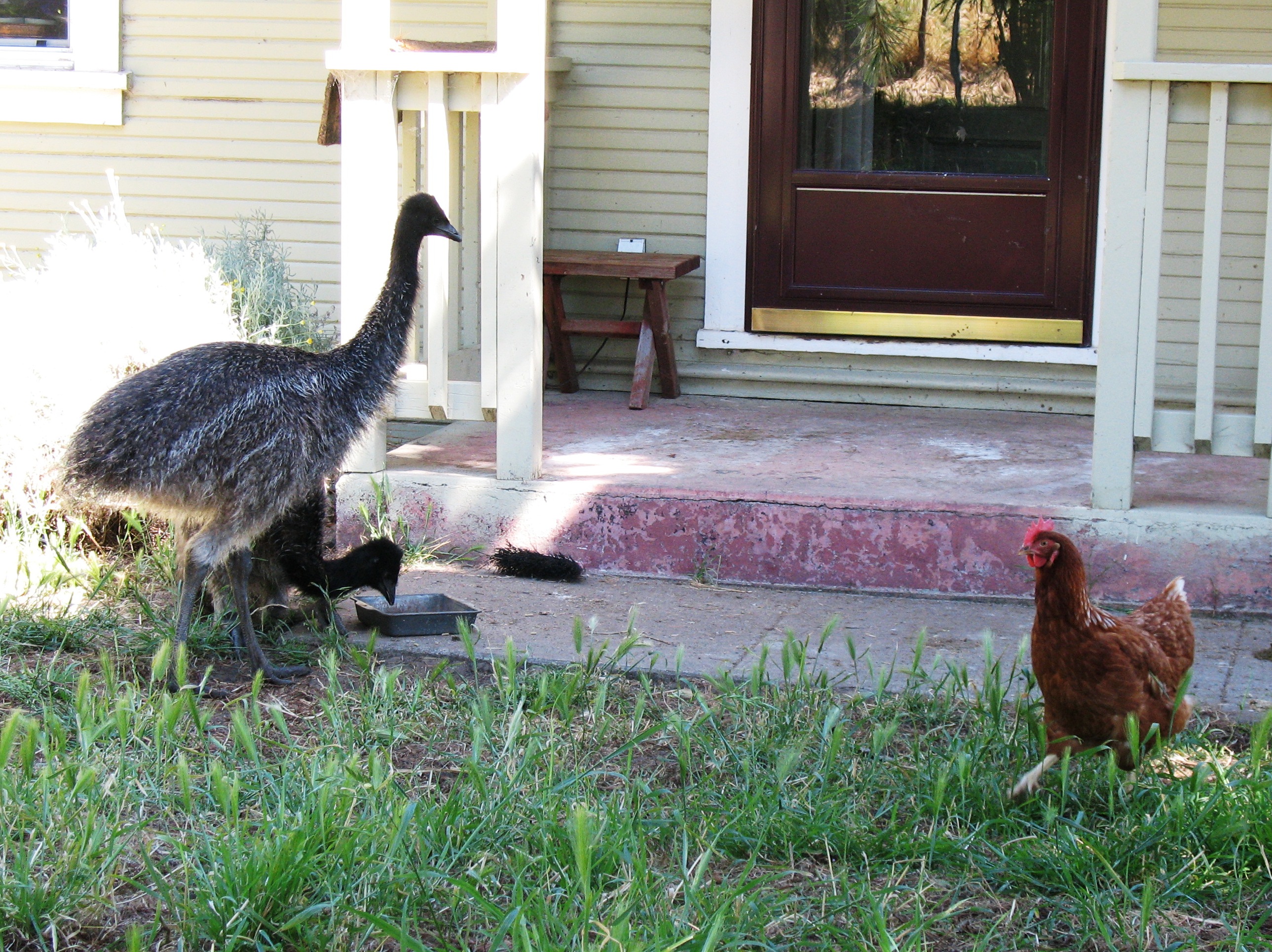
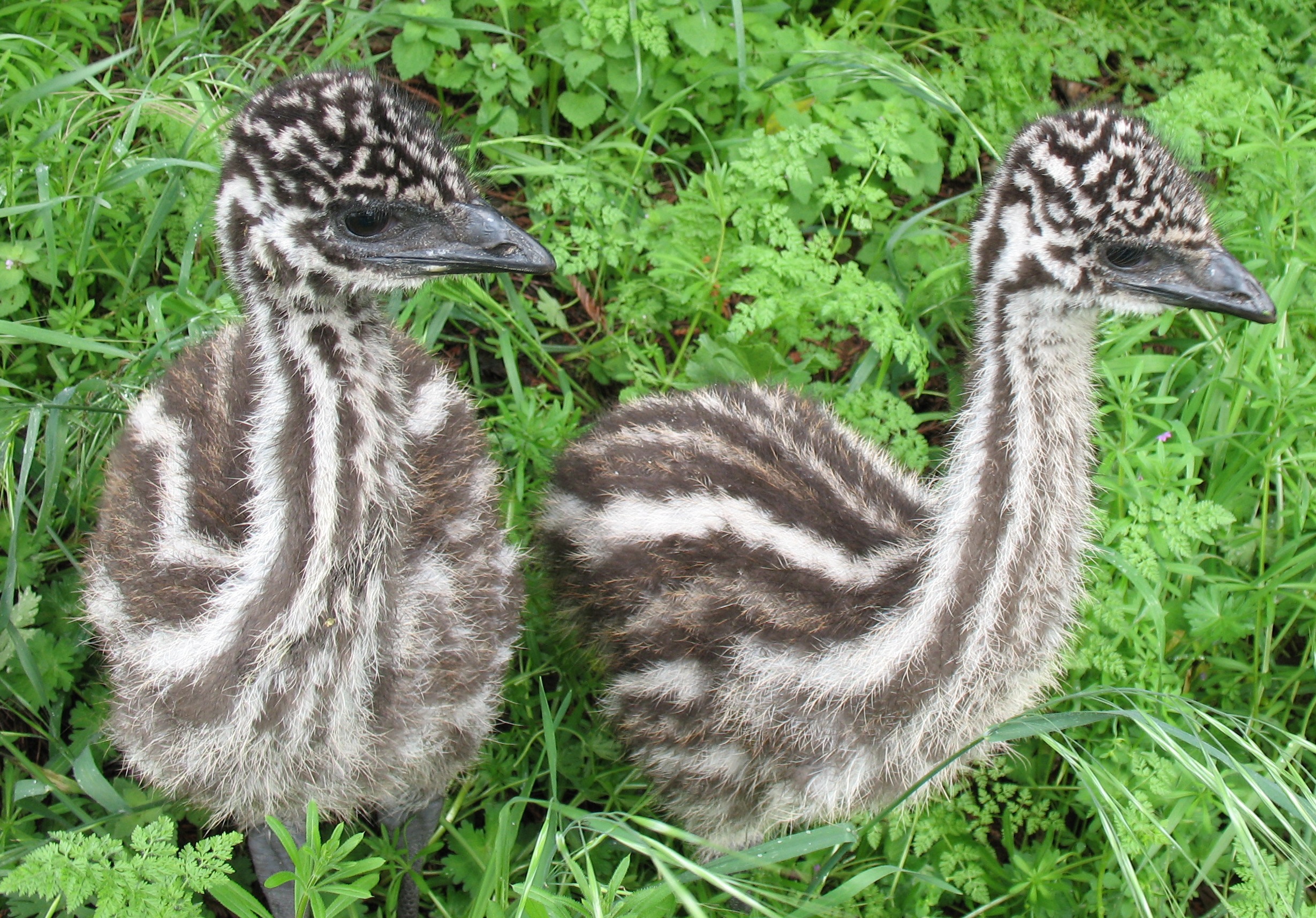
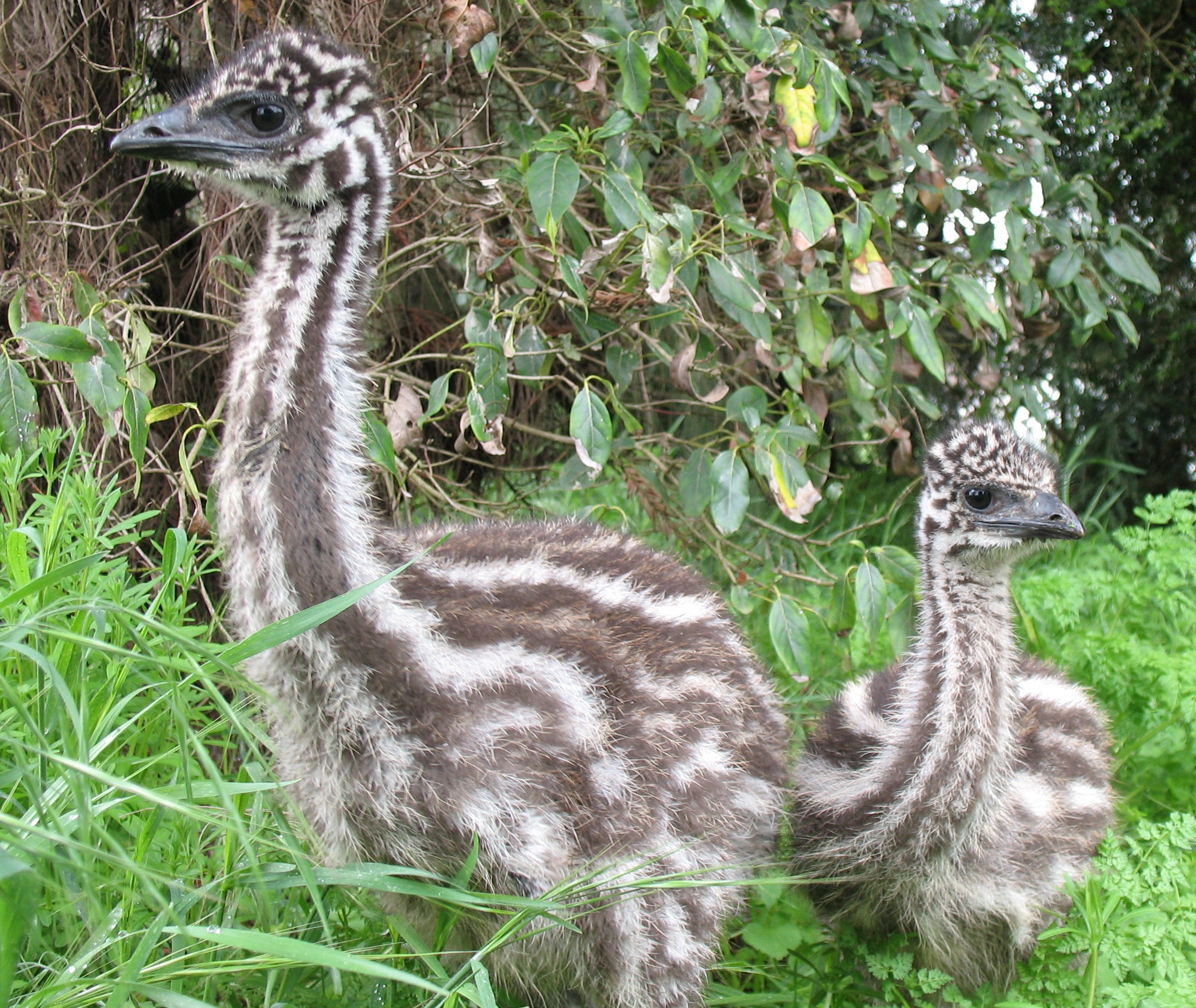
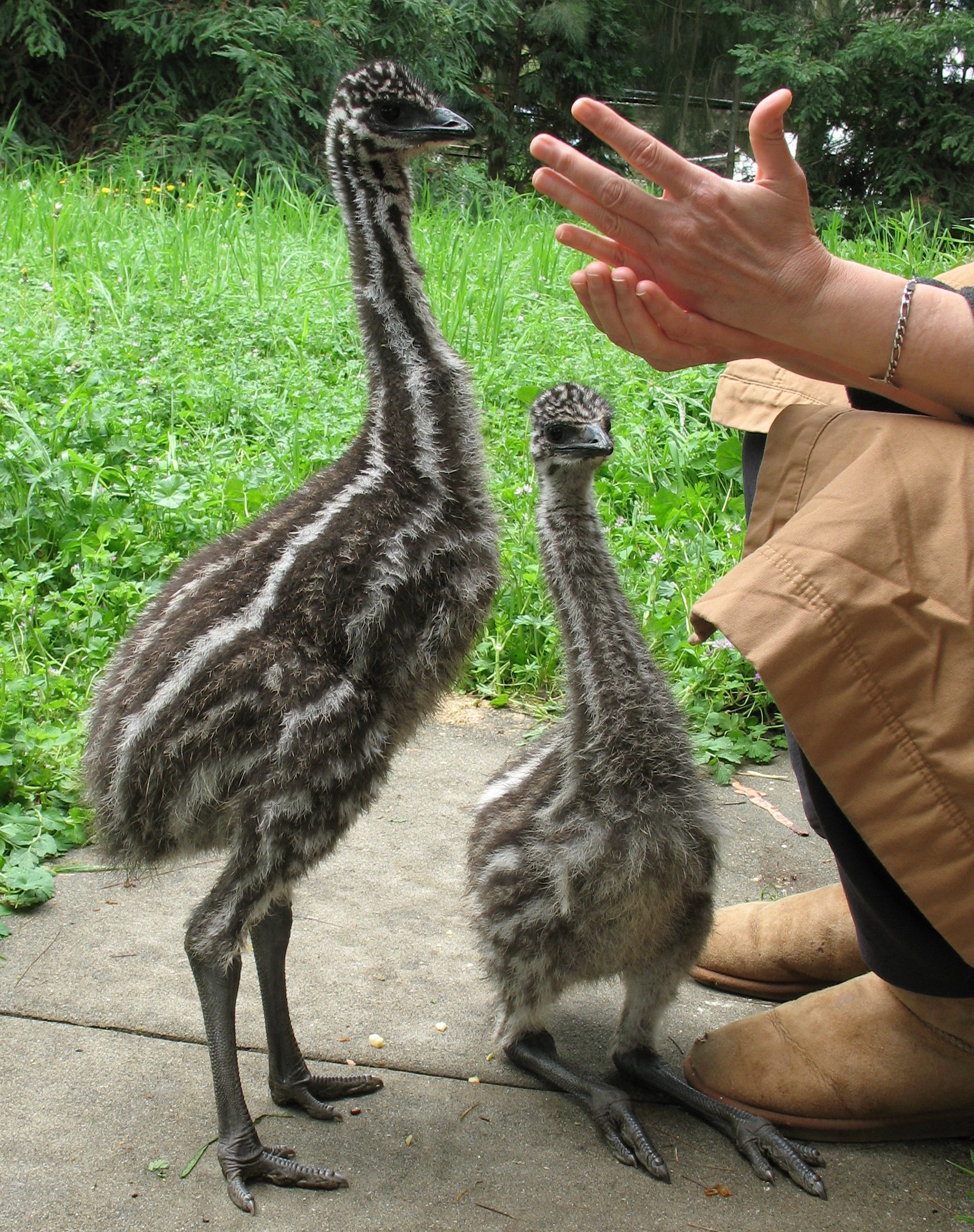
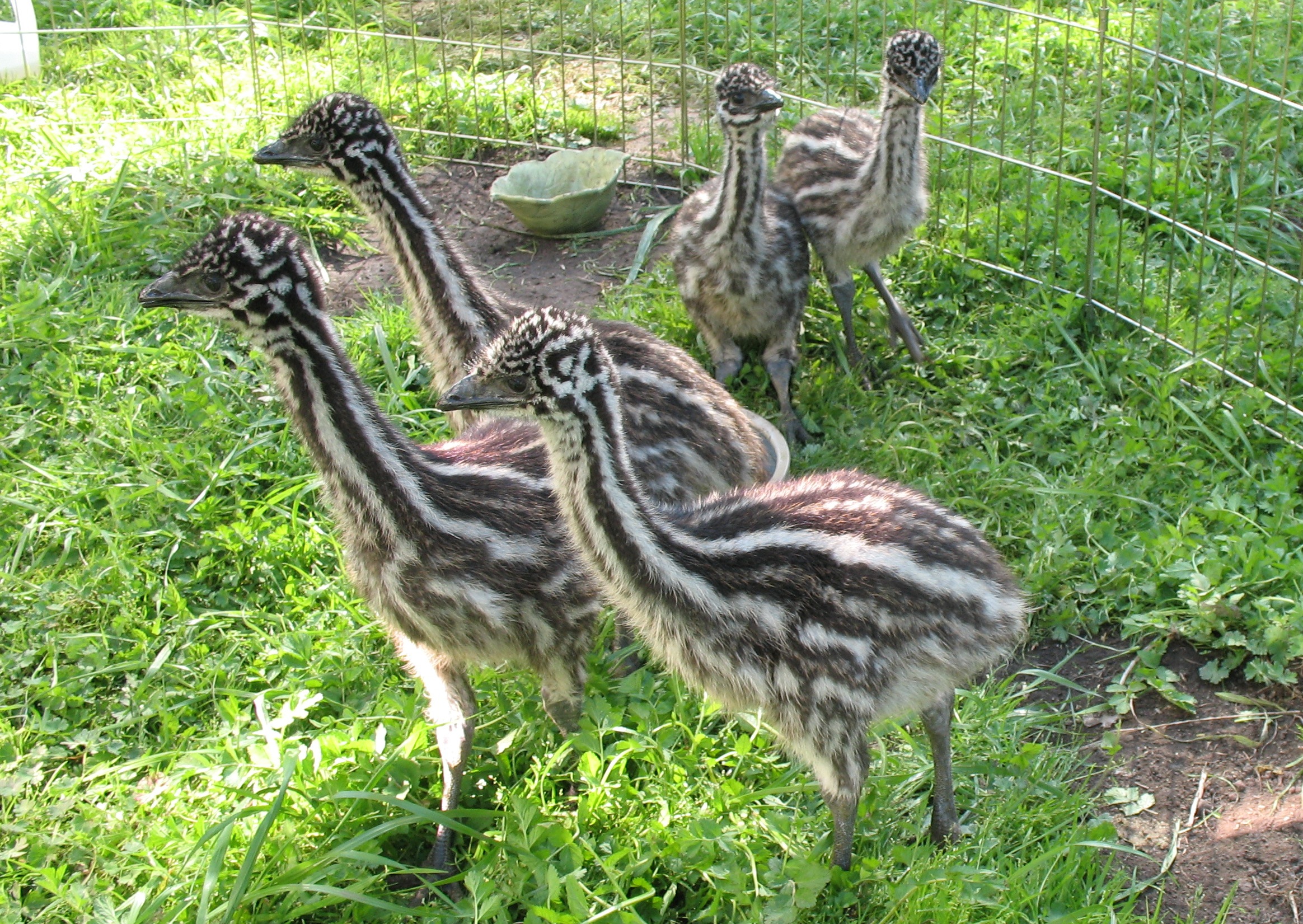
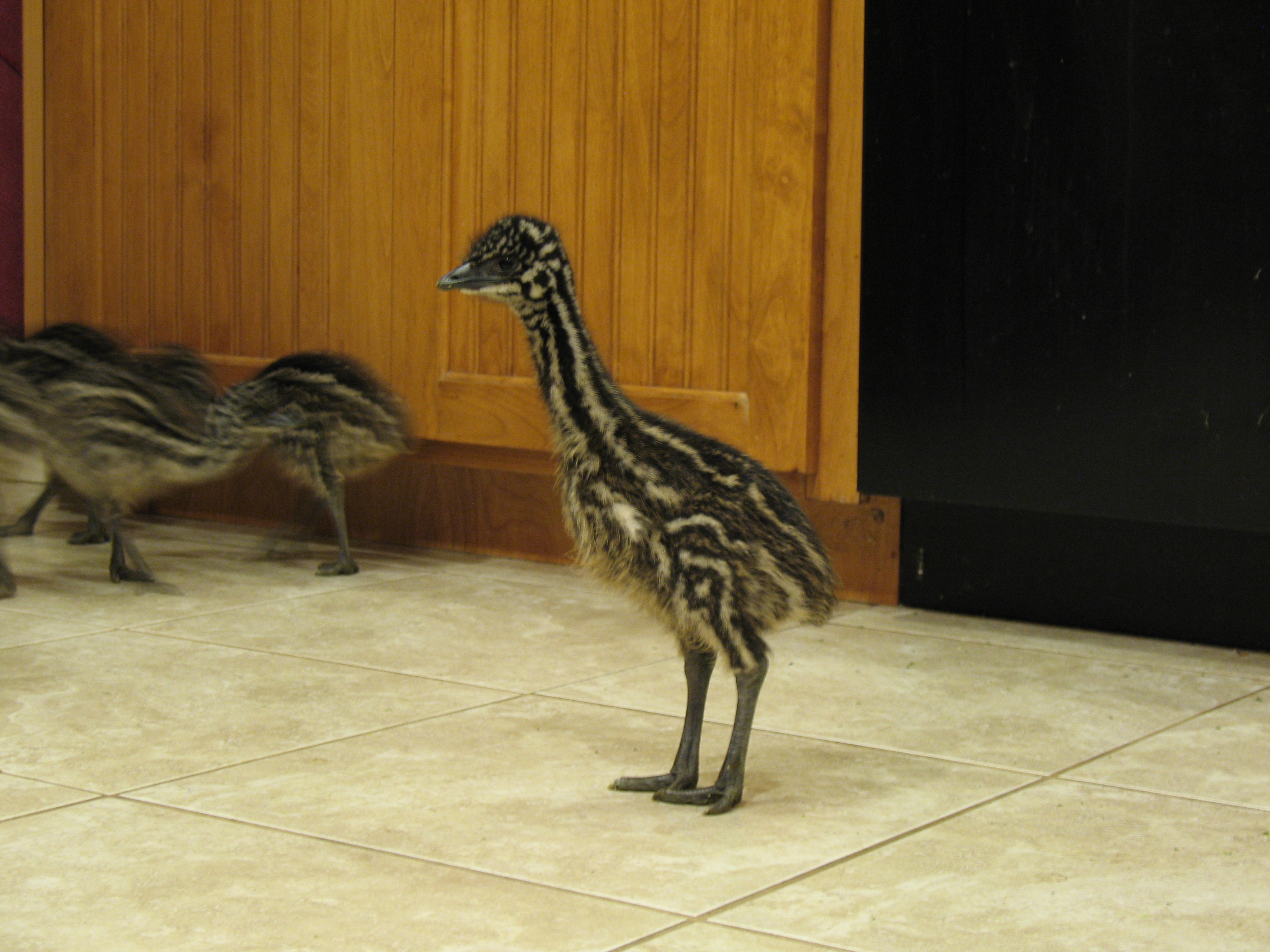
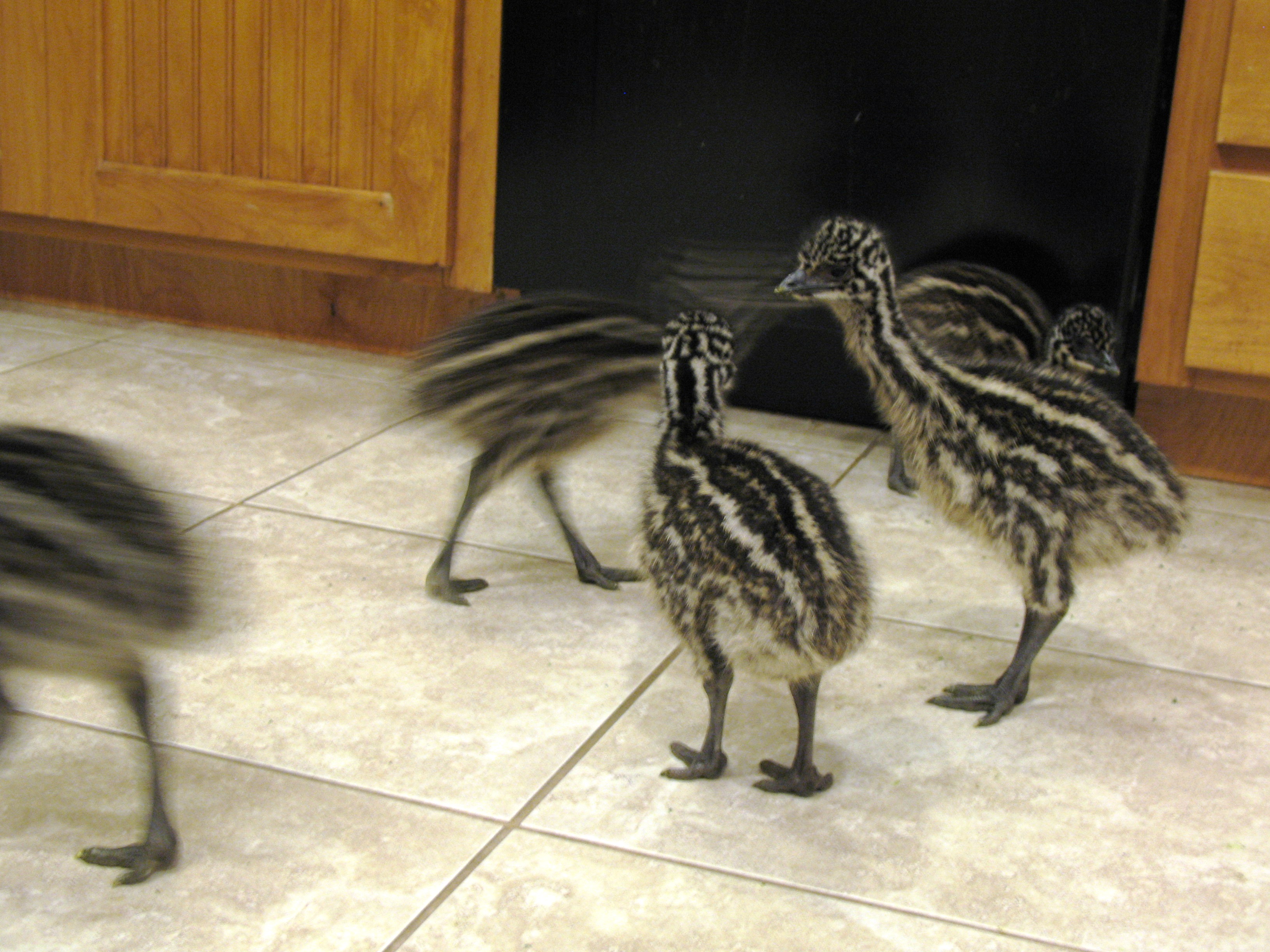
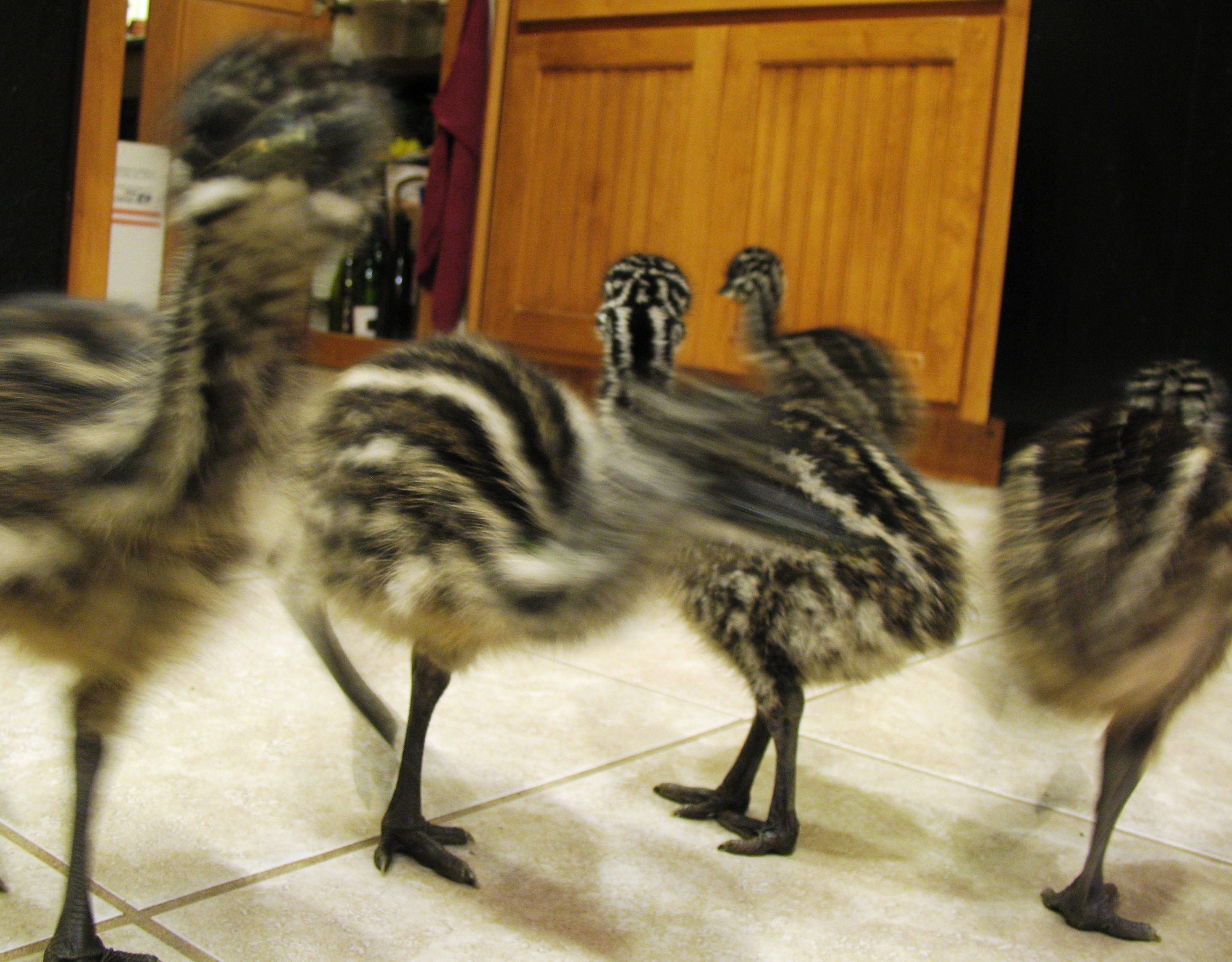
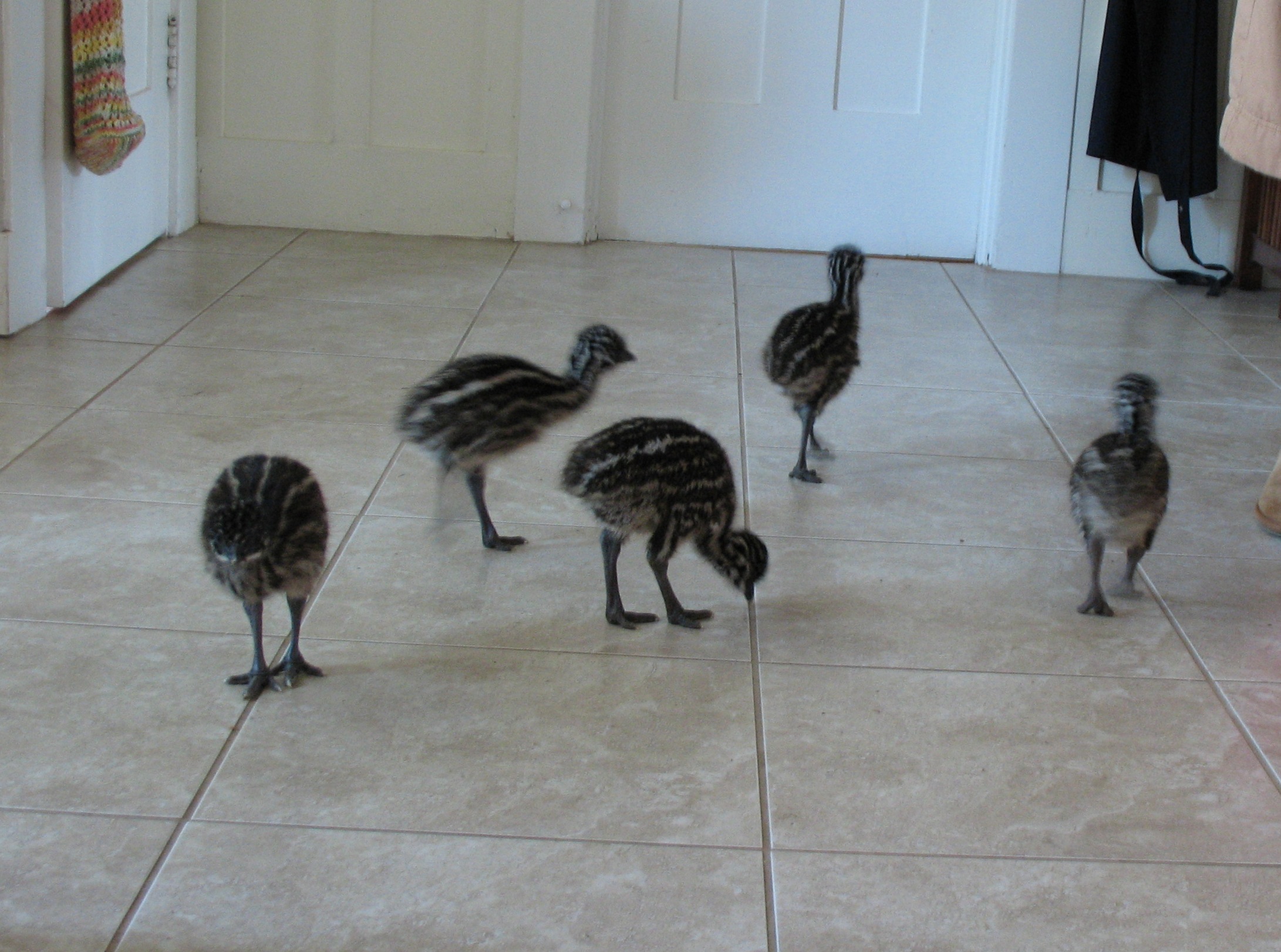
The Jump on Season

A.V. Walters

It’s so dry that for over a month it’s felt like October. There are agricultural practices that mark time, plowing in spring, cultivation and harvesting in summer and, around here, spreading in fall. Yes, that’s manure spreading. The dairies store it in in lagoons and tanks until the time is right to load battalions of “honey trucks” to spread this rank slurry on the fields and hills. It is the most environmental of solutions (the practice, not the slurry.)

For a traditional dairy, whose size is limited by how far a cow can walk for milking, the amount of manure produced does not overwhelm the carrying capacity of the land. (Though it can, and does, contaminate the ground water.) This traditional recycling puts the nutrients back into the soil, to fertilize the grasses that our winter rains will bring, and that then feed the herds. This would not be a solution for the big factory dairies, whose cows never see grass and whose scale requires an industrial strength waste disposal system. Here though, on the small farms in the rolling hills of Sonoma County, it is a common agricultural custom.

Usually, the spreading starts in October. This year, everything is so dry (including the lagoons) that the spreading started in mid-August, before the slurry went to sludge. The hills are a brittle brown (soon to be a different kind of brown.) During the manure spreading, we keep our windows closed. Our wild Two Rock winds whip up the particulate and, if you open the windows, the house will soon have a layer of dust. We know what’s in that dust—so we hunker down. This, too, is part of the flavor of agricultural living.

I thought I’d have moved by now—but my pre-relocate obligations are taking longer to wind down than anticipated. It’s been a tough summer, full of false starts and dashed hopes. The delays have been good, too. We’ve been able to help out for some things we almost missed. We’ve strengthened ties and said (multiple) goodbyes. (Some say, “Well, goodbye already.”) We’ve packed (and then unpacked some.) We’re looking forward to a new life and the challenges of new seasons. My dear mum is patiently awaiting the grand arrival. She’s the primary inspiration for the change. After losing my father, I’ve become more conscious of the need to enjoy the present—lest it slip into the past without proper savoring and leave us with deep regrets.

We’re still on hold, but we can see an end in sight—maybe we’ll get away before the hills are all—that color of brown.

Settling In

A.V. Walters

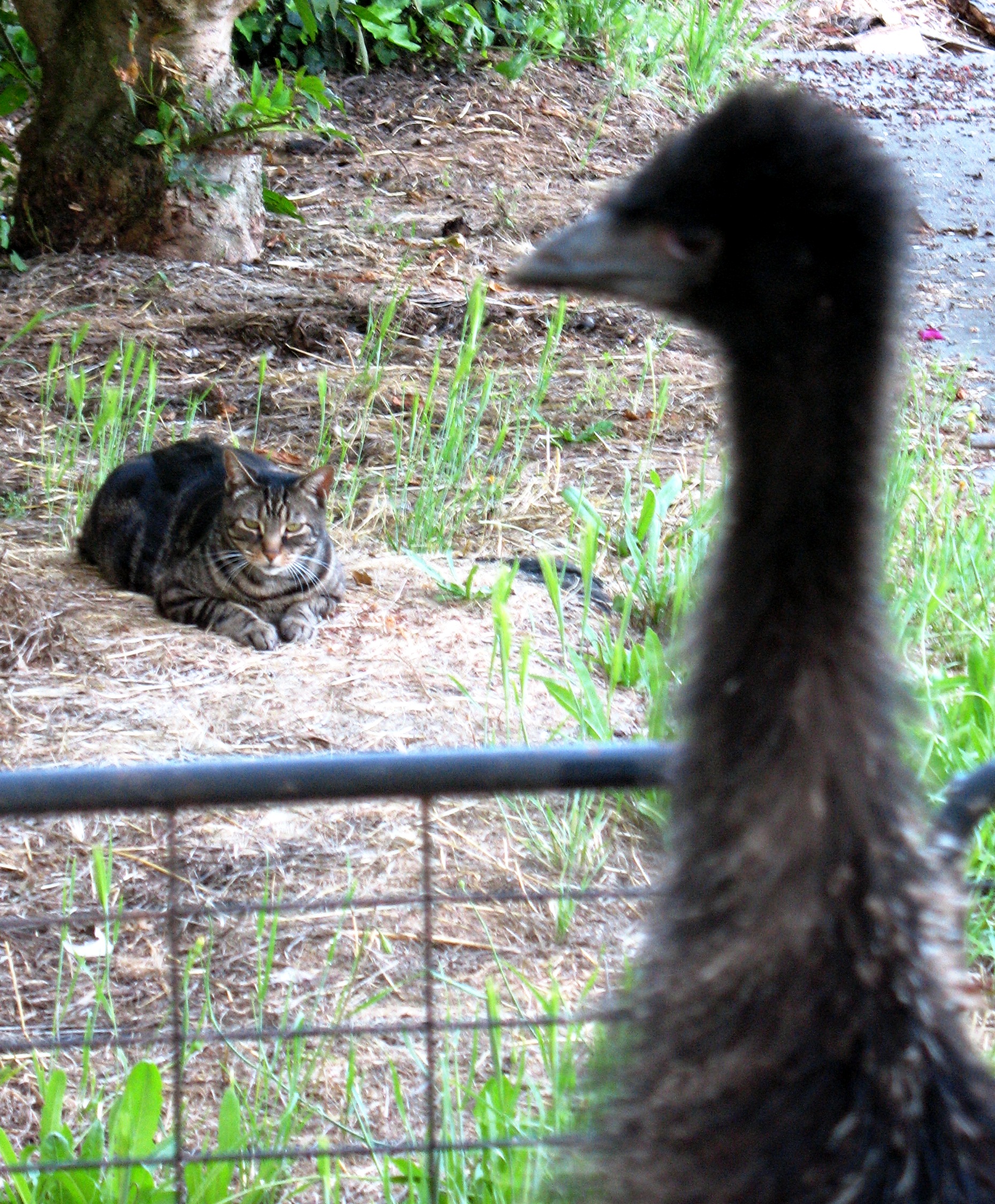
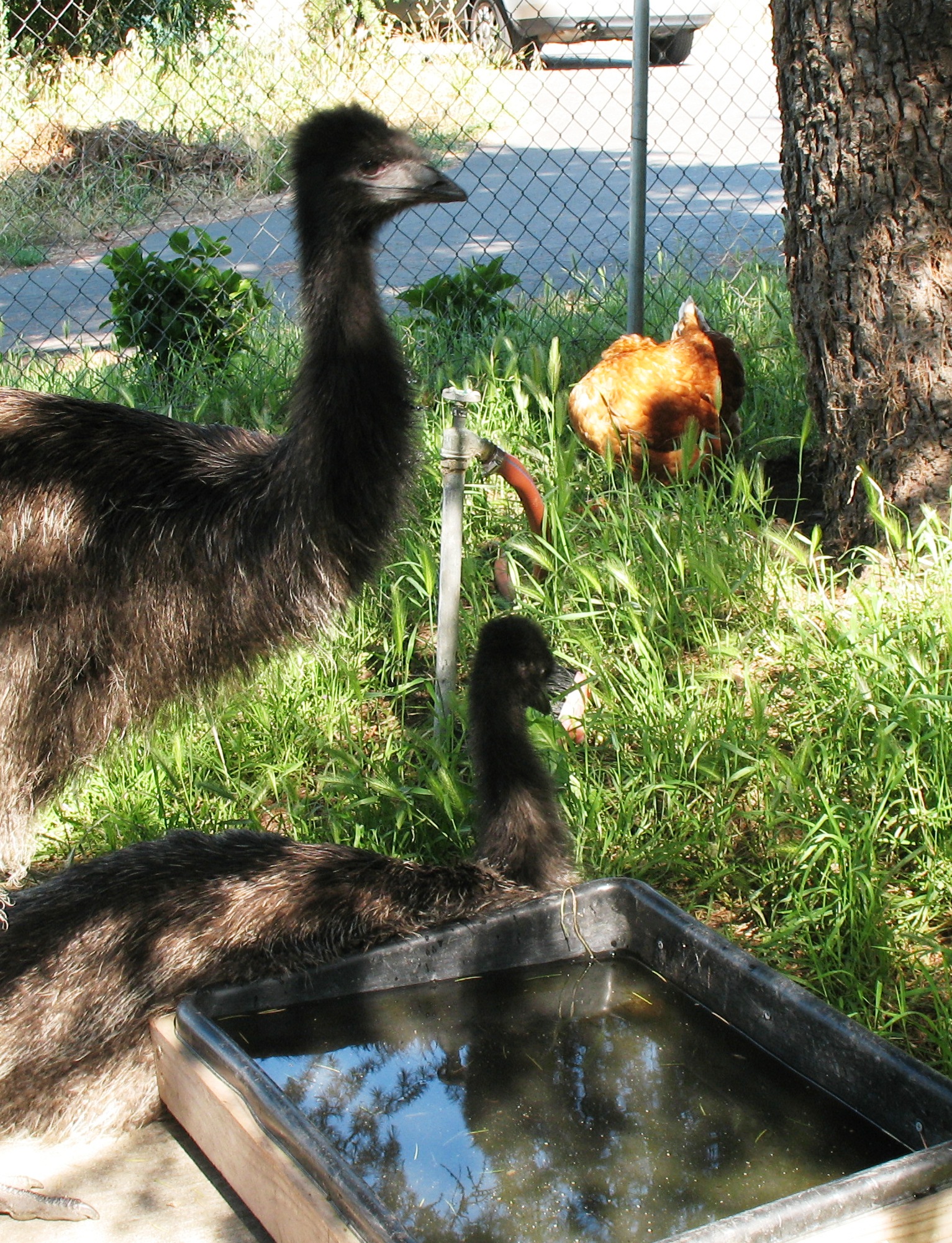
The trauma of the emu relocation is wearing off. It’s been four days now, and my suspicions are bearing out on the source of the emu hostility. After a couple of days of ravenous eating, Mr. and Mrs. have relaxed about scarcity. With that, Kelvin and Gatsby seem not to be such an imposition. The cross-fence pecking has dwindled in frequency and ferocity. (In part because Gatsby’s staying back, a bit.) Not that I’m going to open the gate just yet, but things have improved.

Up on the hill, the emus have a great view. I’m not sure if they appreciate it. It’s just more stimulus for their already overextended brains. There’s a lot more noise up there, too. You can hear traffic, even though the road’s almost a half mile away. The young emus are startled by every new noise—their heads darting from side to side trying to get oriented. Down in the bottomland, a bull is bellowing. It’s been going on for days, must be that time. It’s pretty loud and it has the emus wide-eyed and wary. And then there’s the sheep; they’re not shy either. That’s something they’ll just have to tolerate. They are, after all, sheep protectors.

Gatsby is still smitten with the adult emus. I guess that is as it should be. When I visit (because that brings Mr. and Mrs. down to the lower fence) he is torn between visiting with me, or hanging at the fence with the big guys (who still treat him with a certain level disdain.) Sometimes he stands, ten or fifteen feet from the fence, looking at them, then at me, repeatedly, frozen there, unable to decide. Kelvin has no such problem. She knows where the food comes from. She’ll even herd Gatsby over for dinner—she’s a very good big sister. And finally, he’s eating. I know that things are better, because today, for the first time since they moved, I saw them dance and play. It was brief, but there it was, a glimmer of fun. And when I walk up the hill, when they see me, they come running. Not for any particular reason except they like to run. (I can tell because if something catches their attention, they’ll change direction and head off that way. They’re still just big, dumb birds.) They are broadening their territory—occupying larger and larger areas of the lower pasture. The emus are finally settling in.

This emu move across the farm is actually good for me. I need the distance, figuratively speaking, so I can let them go. They have to be farm emus, not pets, and I’m not always going to be here. I’m such a softie, though—I’ll probably end up leaving bags and bags of emu food when we go. Just the idea that these little guys wouldn’t be fed, when they’re really still babies, is more than I can bear. That distance is good in another way, too. Back and forth across the farm at least twice a day, I’m hoofing almost four miles. I can use the exercise.

And, it makes me look around. I’ve discovered two hawk nests. The blackberries are getting ripe. They’ve just cut and bailed the grass in the bottom of the valley—the squared bails in crooked lines along the work trail of the tractor. Even with most of the valley dry as dust, it’s still picturesque. Tomorrow I’ll scout out the blackberries. Maybe I can find enough ripe ones for the pie I promised Rick.

Empty Nest

A.V. Walters

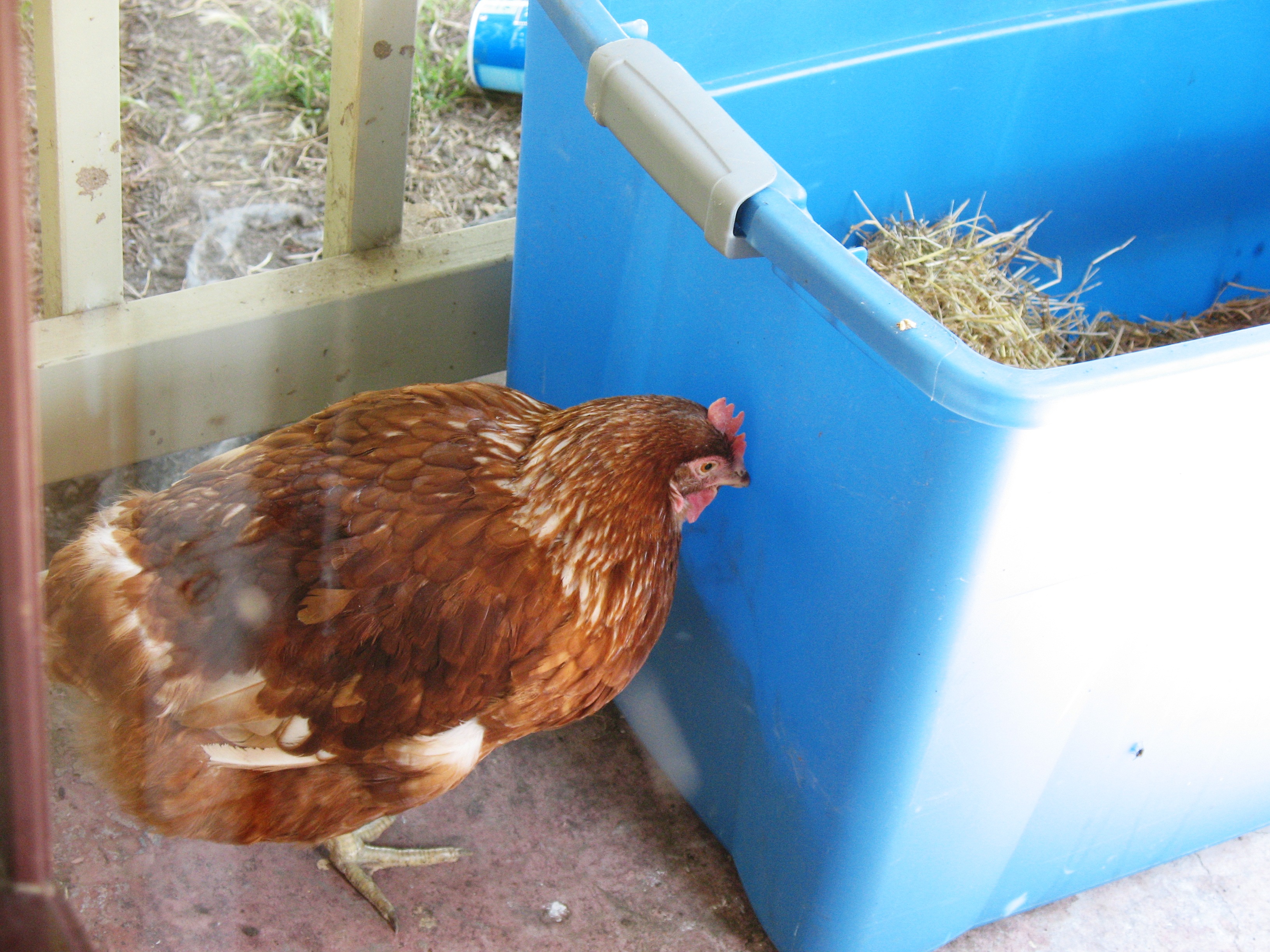
Our avian stalemate was short lived. One of the chickens decided to break ranks. I don’t know the dynamics of chicken-chicken relations, much less chicken-emu exchanges. In any event, chicken-number-two decided to change sides and hang with Gatsby and Kelvin. She followed them around, even slept on the ground near them, in their corner emu haven. That shift changed her routine and she stopped laying eggs in her usual spot. Every day we’d have to go searching for her egg. The egg hunt caught the attention of the emus (though I doubt they had any idea what was up.) I’d be stalking around the yard, poking here and there, with two emus following so closely behind that if I stopped suddenly, they’d bump into me like some Laurel and Hardy routine. Just behind them was the emu-friendly chicken (following the emus) and the regular chicken, not to be totally left out, brought up the rear. What a parade!

The emus are amazingly social. They tried to play and dance with their new chicken friend, but she didn’t get it. Just keeping company was enough for her.

Feeling their oats, the emus proceeded to try to engage with the antisocial chicken, and it resulted in a spirited emu/chicken chase. They could not win her over—so it was a three-to-one club in our front yard.


The Emu Transit Trailer

The Emu Transit Trailer

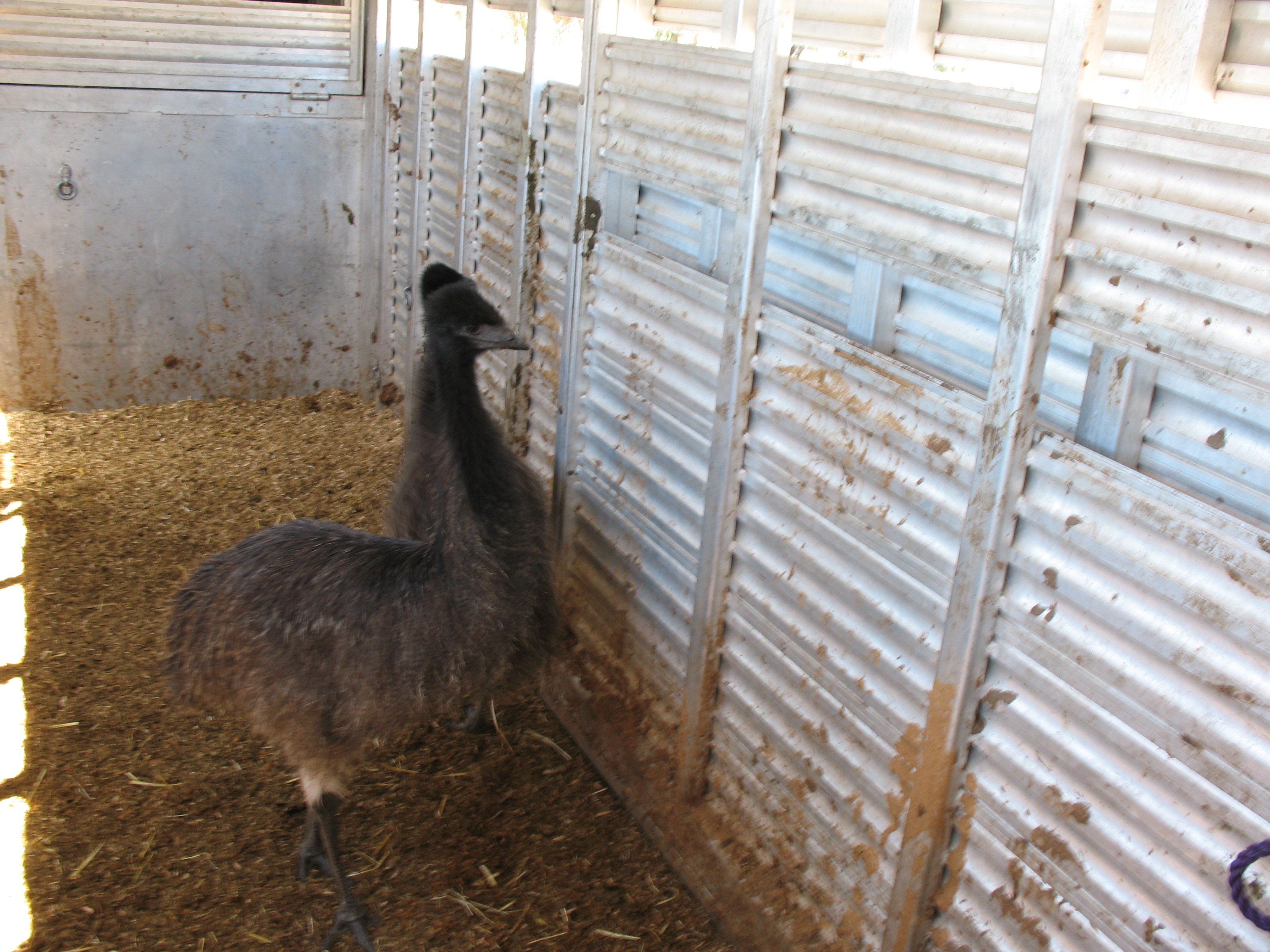
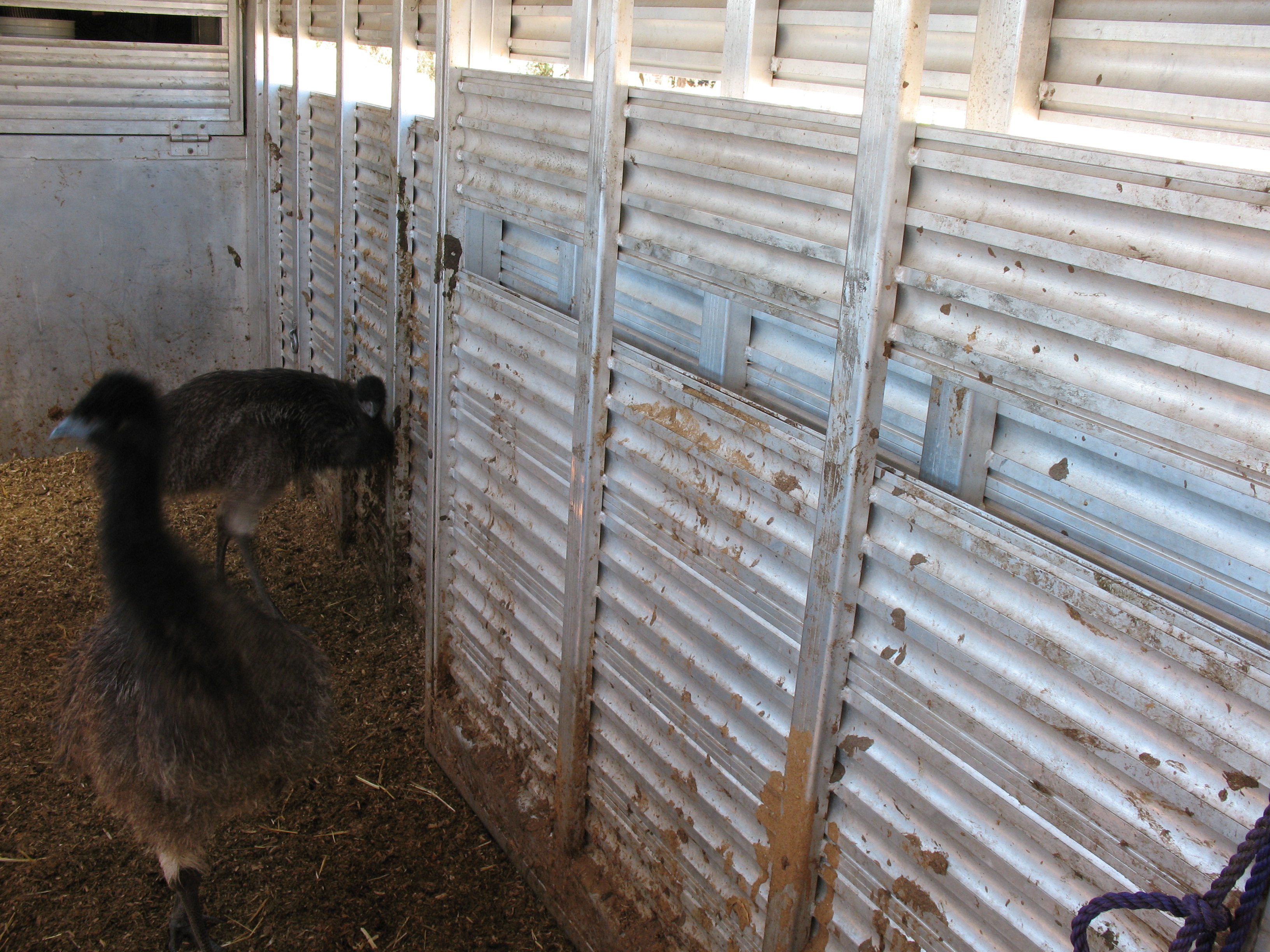
And things would have remained so, had it not been for the arrival of the trailer. I’d talked to Don and Elmer about transferring the emus across the road—for training with sheep at the tutelage of emu-dad. Being a softie, I’d requested that they use a fully enclosed trailer. Emus do not like travel and do not transfer well. I thought the experience would be less traumatic if the trailer didn’t offer the view of the world whizzing by at high speed. So, out of the blue, Elmer arrives with a perfect livestock trailer—not one of the ratty open trailers he uses to transport chickens, but a real, fancy trailer. Apparently he borrowed it for an extra large load of sheep he needed to haul, and thought he’d take the opportunity to move the emus. There we were, without notice, for the fateful emu moving day. It’s probably just as well, because I’d have fretted over it.


Not liking that trailer!

Not liking that trailer!

Hmmmph! Smells like sheep!

Hmmmph! Smells like sheep!

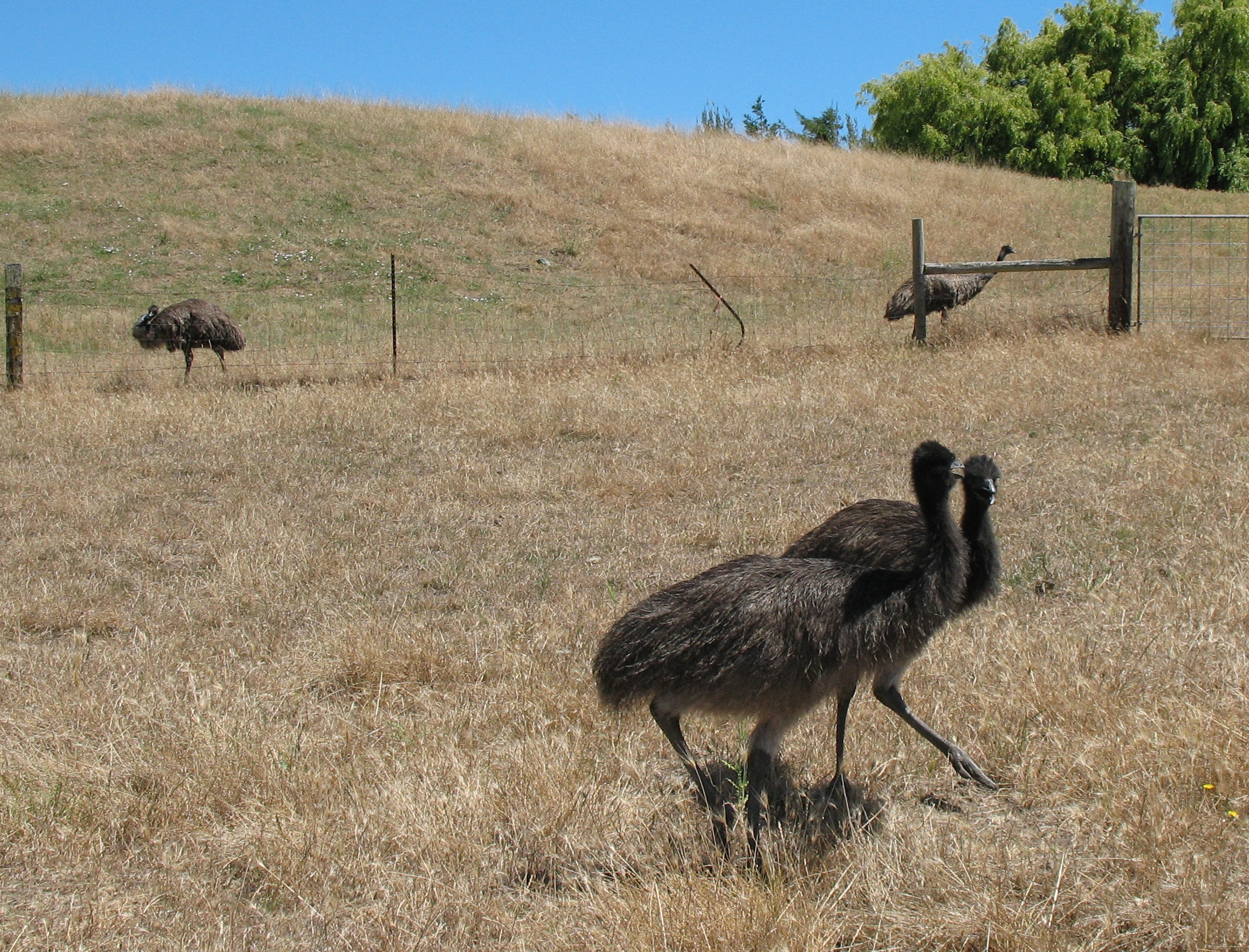
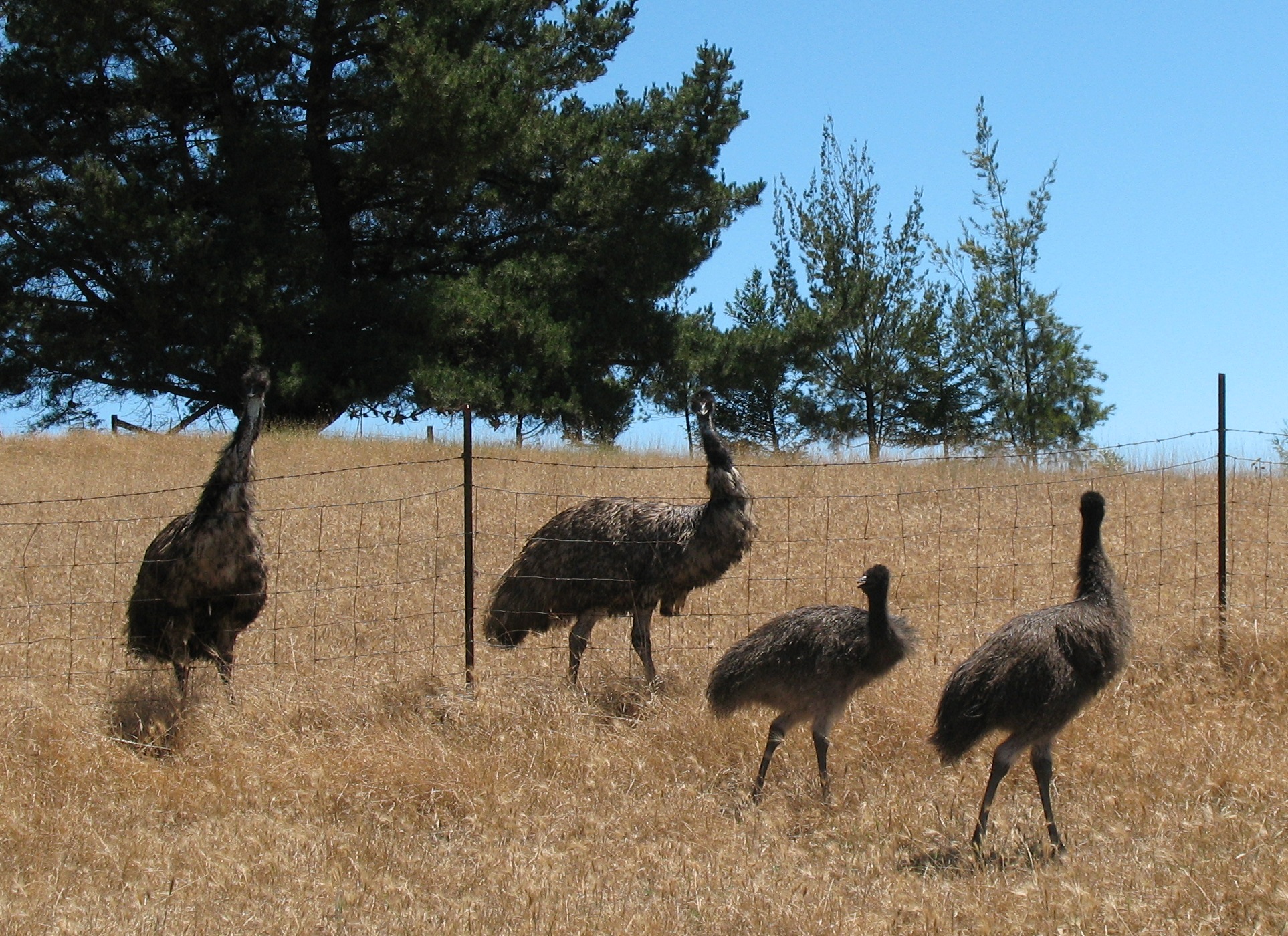
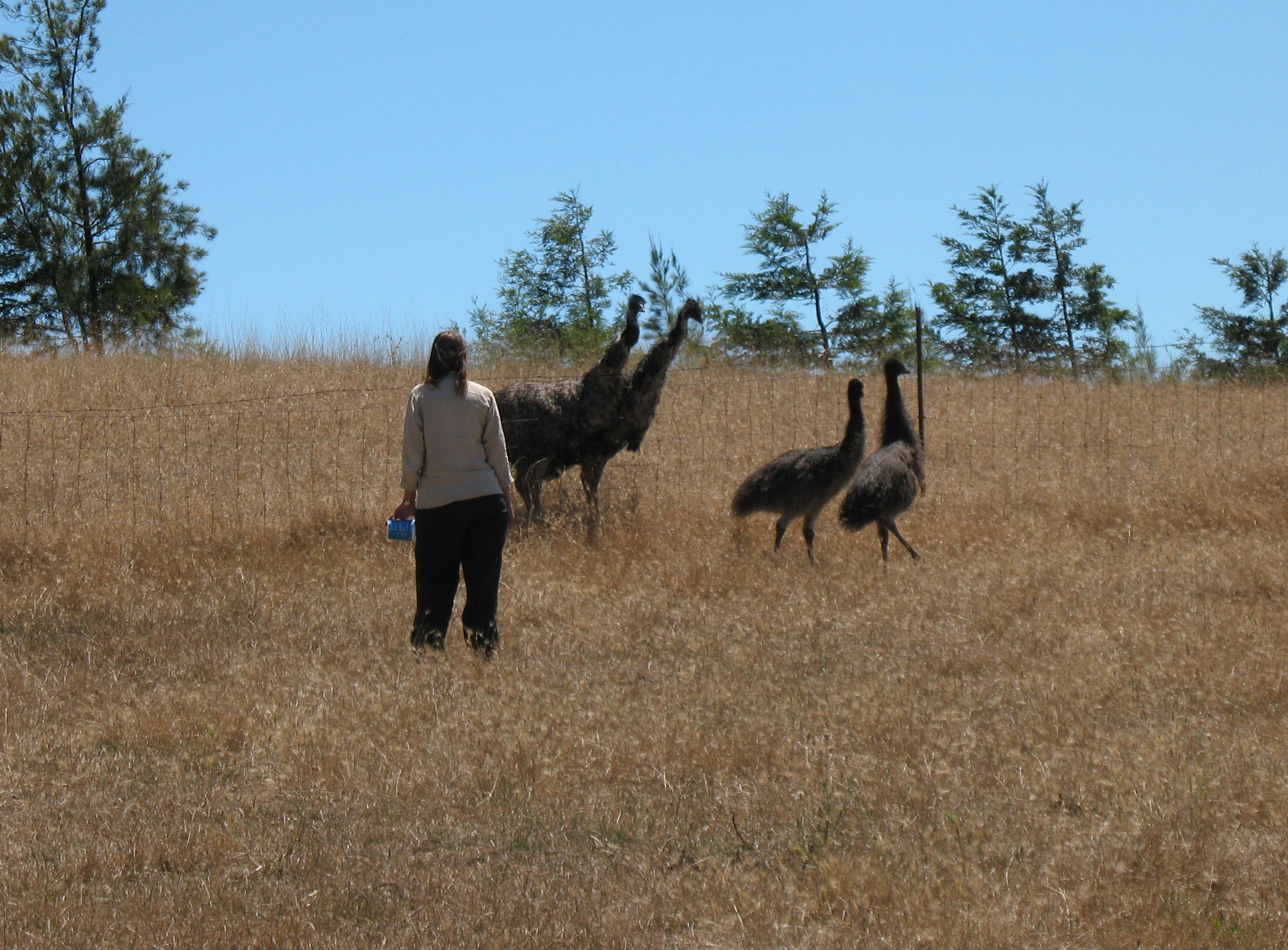
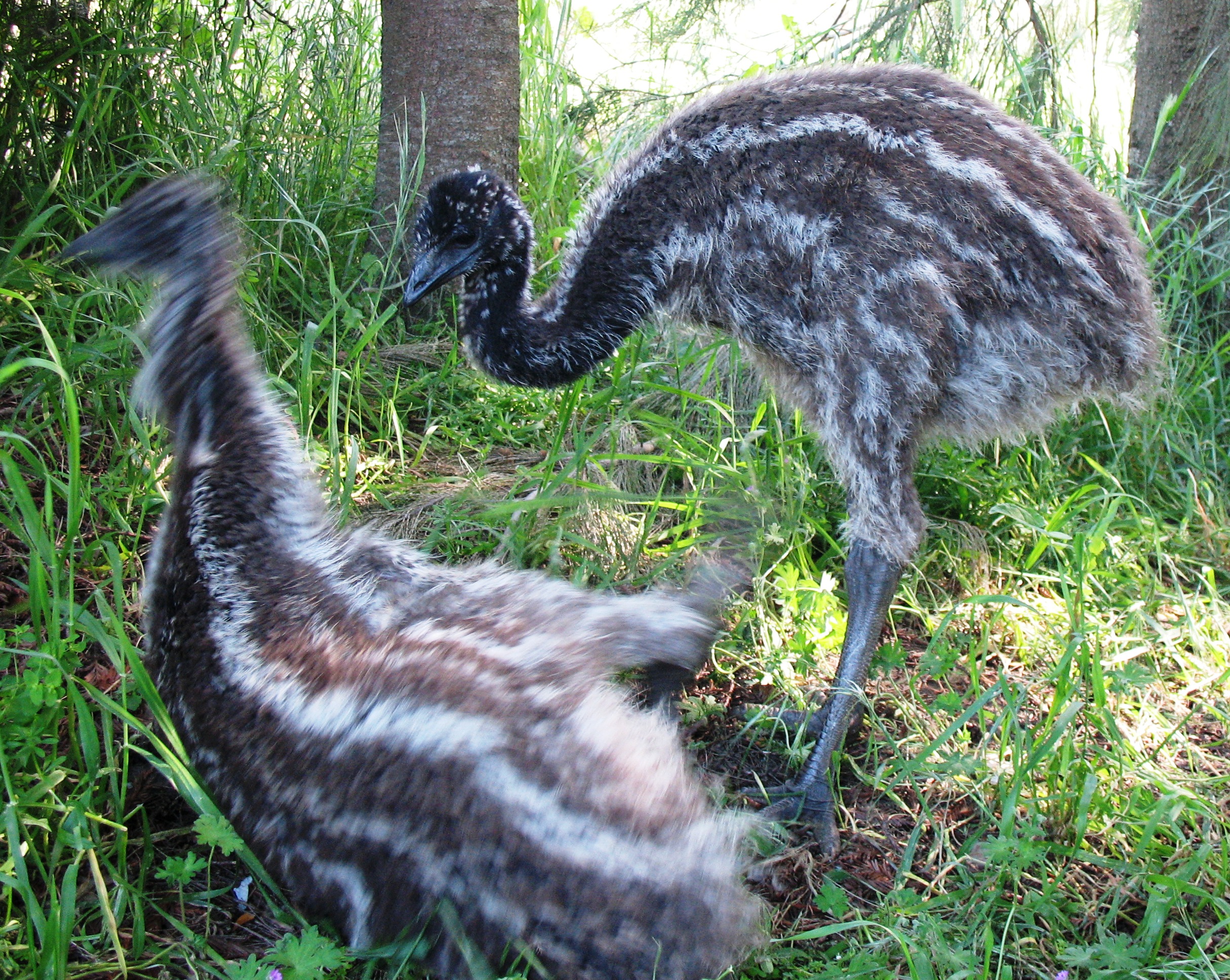
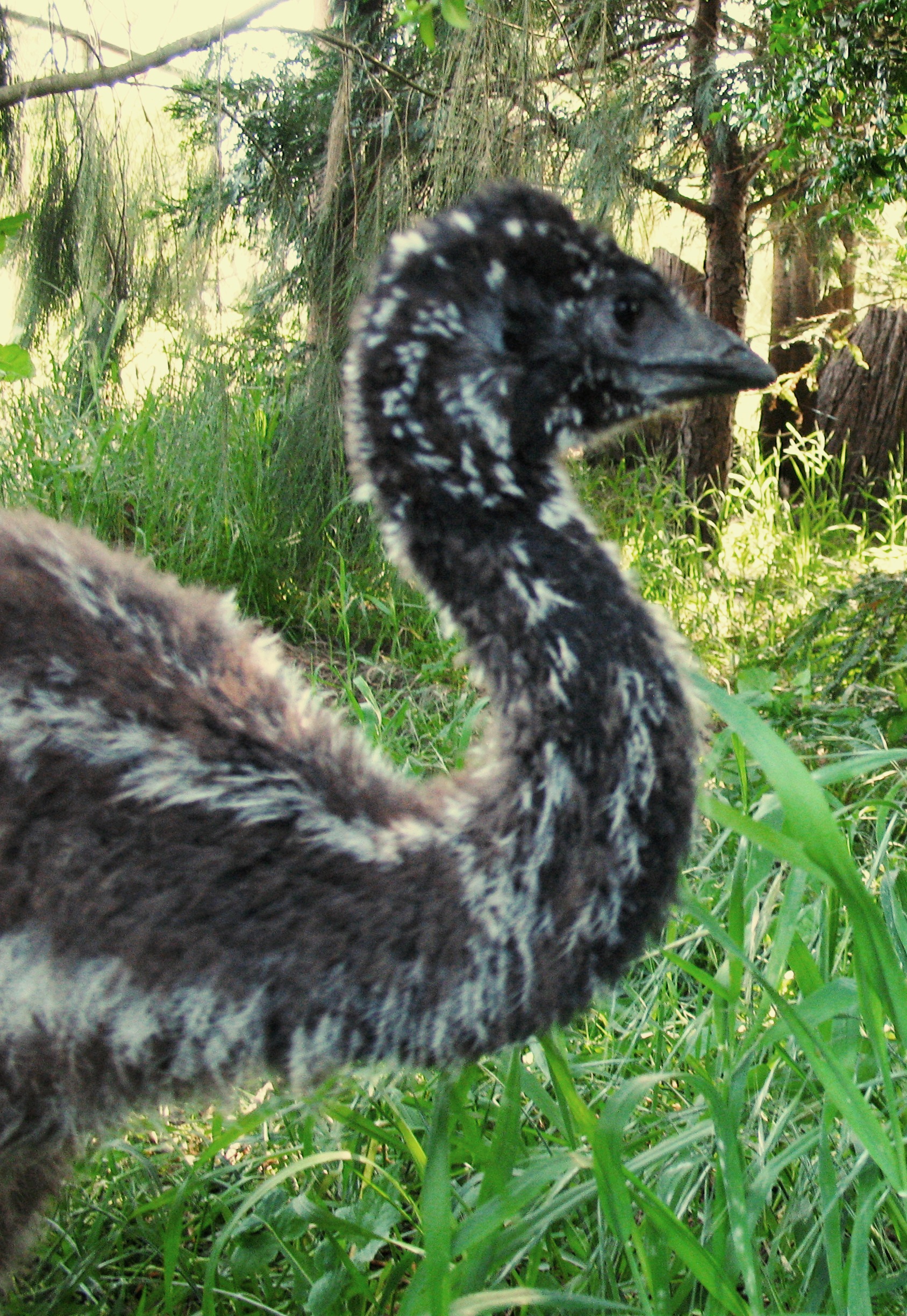
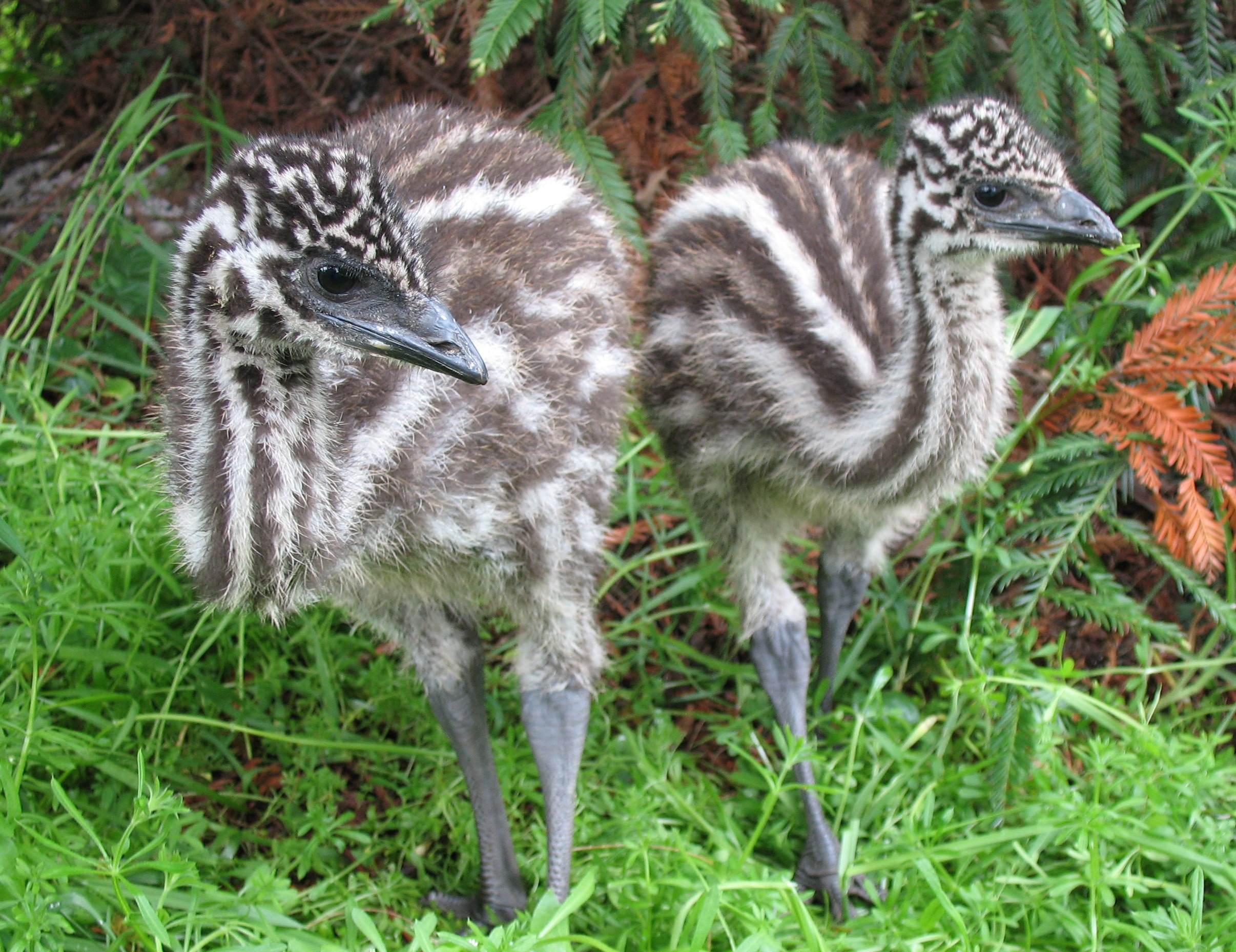
With a minimum of trauma, and only a few tears (mine), the emu-youths were loaded into the trailer and off to new pastures, literally. For their initiation, we decided not to mix the young with the adult emus—so as to let them get used to their new digs first. Good thing, too! Those little emus were in total, “Where-are-we-now, Toto?” shock. They stood in the middle of a large pasture, slack-jawed at the openness. The only thing that captured their attention were the almost equally curious emu parents, gawking from across the upper fence. Emus!


Look! EMUS!

Look! EMUS!

The little guys set off at a trot to explore these new relatives. But blood isn’t thicker than water. It doesn’t come close to being as thick as food. The deck was stacked against the youngsters.


Maybe not so friendly

Maybe not so friendly

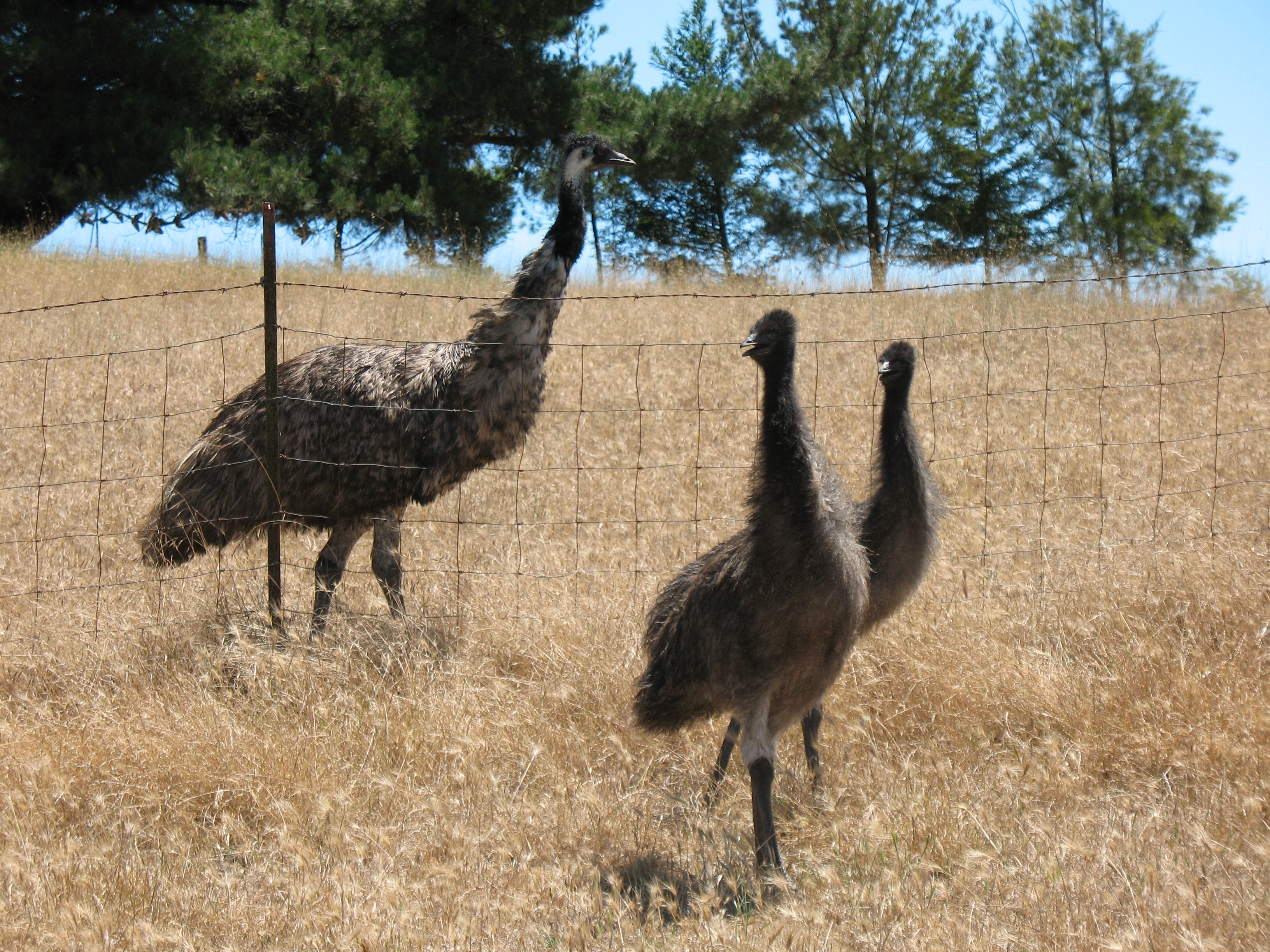
You see, our dry summer has been so dry that the summer grasses have browned early. There’s little nutrition in grazing this season. Even up by the pond, where the emus have been kept, it is pretty brown. Elmer has cut back on the number of sheep he’s running—keeping only breeding stock. There’s little grass to feed them and the cost of hay and feed (grain) reflects the dry conditions and scarcity. Usually, if the emus are with the sheep, they’ll supplement summer’s slim pickings with the sheep mix. But this year the emus aren’t with the sheep. Nobody bothered to check on the emus up in the high pasture and they are hungry. So the kids were not visitors—they were competitors for scarce resources; the emu-babies’ homecoming was punctuated with hisses and grunts from mom and dad. If the little ones got too close to the fence, they were rewarded with pecks on the top of their heads (Just like the chickens!) Sadly, this hasn’t dissuaded the little ones. They are eager to commune with other emus. Gatsby, especially, runs to the fence whenever the adults are in view. I think this relationship may be forged on the enthusiasm of youth.


Perhaps a little supervision is in order

Perhaps a little supervision is in order

I also think we can fix this. I think a few days of ample rations all around will bring out the better natures of those cranky adult emus. So it’s been kibble and apples all around.  Yesterday, Mr. and Mrs. Emu scarfed down ten good sized apples in minutes. The solution is Food-Aid. We’ll use food as the social lubricant. Today I’m going to slip in some sweet mix (corn and other goodies used for lambs) for extra calories. While the special emu kibble is a better dietary choice, sometimes junk calories are in order. I’m walking across the farm—about a mile—to the back pastures several times a day to provide extra goodies for the parents and company and play for the kids until they settle in. I am hugely relieved that there are two of them, and that they are such good company for each other.


Hey, watch your back!

Hey, watch your back!

Meanwhile, on the home front, we have answered a burning question in a sad way. We decided to keep the two chickens for a few days. We like the eggs and, though chickens are no social substitute, we were missing the emus. The unanswered question was whether emus were guardian animals for chickens. The answer is that just the presence of emus helps to guard the chickens. The morning after the emu relocation, we woke to just one chicken, and a lot of feathers. It took the predatory critters less than twelve hours to figure out that those chickens were unprotected in the front yard. We hadn’t even thought of it—that maybe the chickens were at risk without the emus. We feel a little guilty. Chicken number one was eaten—by whom we couldn’t tell. That was it. The other chicken was quickly returned to the relative safety of the barn and our home is now bird free.

Rick spent that next day scrubbing the porch and walkway, removing the temporary fences and returning our yard to normal, residential habitation. The cats are happy. They’ve been going in and out the cat door and re-exploring the front yard. When I miss those emus, I hike across the farm for an emu fix. It’s not the same….but it was time. Nature abhors a vacuum. Territories quickly adjust. But the emus will always have a special place in our hearts.


The Orphan Garden

Good Enough

A.V. Walters

The garden this year is an orphan garden. Though we planted it, and we care for it, it’s not really ours. We didn’t do our usual big production garden. We cheated and used older seeds (some of which never did germinate.) We transplanted volunteers and moved things around—so much so that now I’m not sure what’s what. Then, late in the game, one of the farm tenants dropped off two orphan tomatoes—of course, root bound, and those went in, too.

Still, watering and weeding it has been a pleasure. It’s that quiet, steady, work that inspires why I garden in the first place.

There’s a chicken in the garden this year—it happens sometimes that a chicken escapes the barn and sets up housekeeping in some corner. Usually nobody goes looking for them and they forage and do pretty well. This one likes snails. If I see that shiny, post-slime evidence of a snail on one of the plants, I root around in the bucket and find the culprit. I’ve been giving the snails to the chicken, and now she follows me around the garden. Somewhere over there, there are eggs, but I’m not looking.

The tomatoes (even the stragglers) are doing well and have baby green tomatoes hiding in a lacework of yellow flowers. The peppers are in bloom and the various squashes are all growing gangbusters. I just wish I knew what they were. I know there are pumpkins, zucchini, acorn, delicatta (my favorite), butternut and maybe crookneck squashes. I’m uncertain about the rest. The cucumbers (3 lemon and one regular) are filling out and reaching up for the sun. I think there’s a French melon plant in there, but only time will tell.

Unfortunately our hot spells have made the spinach bolt. We’re eating it up quick, before it gets too bitter.  We’ve also had some of the basil, and some early sprigs of cilantro. The radishes are almost ready, though they’ve been beset by bugs, we’ll still eat them. Even if this is all it is, it is good enough.

We didn’t plant this garden with the intention of a harvest. We may never satisfy our curiosity about just what’s in those buckets. We know we’ll be moving, but we don’t know when (or exactly where, for that matter.) We’re packing and checking our plans, Plan A, Plan B and Plan C (even Plan C.5!) We’re selling things that don’t need to go with us. And we’re waiting. The waiting is the worst. We have business to finish here, and we’re not in charge of how quickly that will roll along.

In the meantime, there are emus and chickens to feed and gardens to tend…


White Poppies

RR Edwards
 

Regular California Poppies
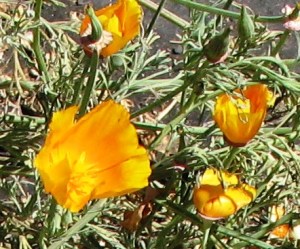
Regular California Poppies

Regular California Poppies

Regular California Poppies

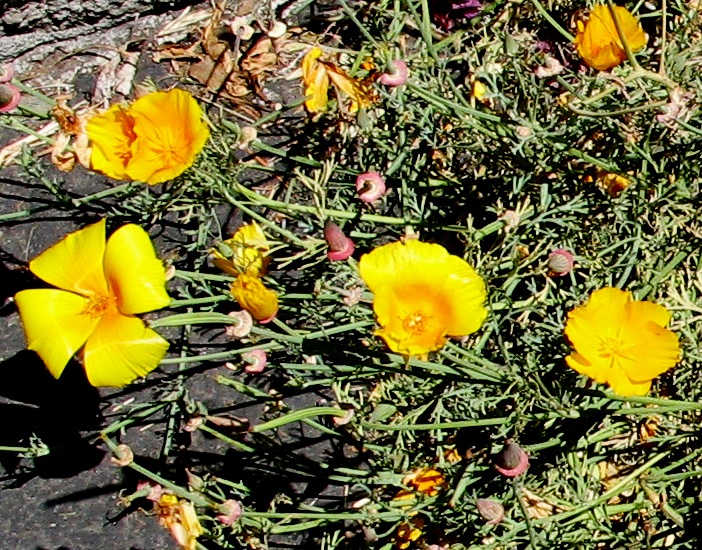
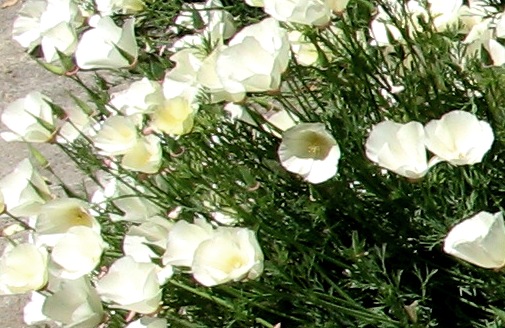
The obsession started the day I noticed an unusual patch of white-petaled flowers. They were among an irregular sea of bright orange California poppies—the only surviving descendants of a package of mixed, native wild-flowers that I’d sown a few years earlier.  There they were, White California poppies!
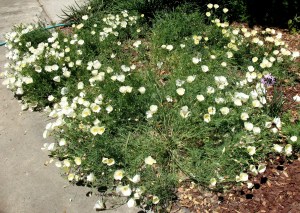
 

White Poppies

White Poppies

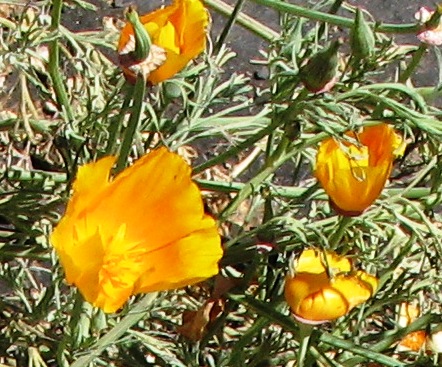
I’ve always loved our state flower, whose beacon of orange can be seen everywhere this time of year. In some respects, it grows like a weed—appears randomly, in small isolated patches, or covering whole fields. It spreads at will, thrives in most types of soil and, once the spring rains germinate its seeds, will continue to bloom through the dry months of early summer. But all this outward heartiness belies the sensitive side of this flower. You can look, but you cannot touch! Once established, it doesn’t like being jostled and will wilt and die at the drop-of-a-hat. As the state flower, they’re protected—you’re not allowed to pick them. But anyone who’s ignored, or been unaware of this law, is soon holding a drooping blob of orange and green, and that usually dissuades any future attempts at gathering. Though I’ve always believed this plant to be an annual (dying out completely, after dropping its seeds in the summer), I was surprised that a number of our potted poppy plants survived last winter, and went on to flower this spring. Who Knew?
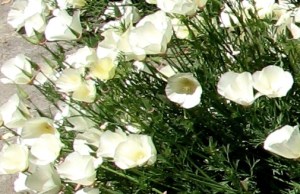
 

A More Delicate Poppy

A More Delicate Poppy

I had never seen, or heard of a white California poppy. The only response my casual inquiries drew was, “Really?” Eventually, someone told me that it was a rare, but not unheard of genetic mutation that, over time, reverted back to brilliant orange in successive generations. That’s why you don’t see ever-spreading patches of white poppies. I can’t attest to the accuracy of this premise, but it made sense to me. I guess I could have gone on-line and researched the topic, but it made little difference to what had become my mission — to create a permanent strain of white California poppies.

I assumed that if I wanted to reinforce the mutation, I needed to find it in another, “unrelated” patch of white poppies. And so, during the travels of my daily life, I scanned my surroundings in search of other genetic outcasts. I finally found what I was looking for in an area I’d passed countless times—an embankment along a nearby freeway on-ramp. Now, I had to watch and wait for the white poppy petals to fall away, and the seed pods to ripen and dry. This was the same routine I was going through, in front of my home—anxiously waiting for the seed pods to dry, and collecting them before they burst and scattered their tiny seeds.
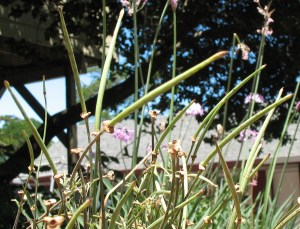
 

The Average Seed Pod

The Average Seed Pod

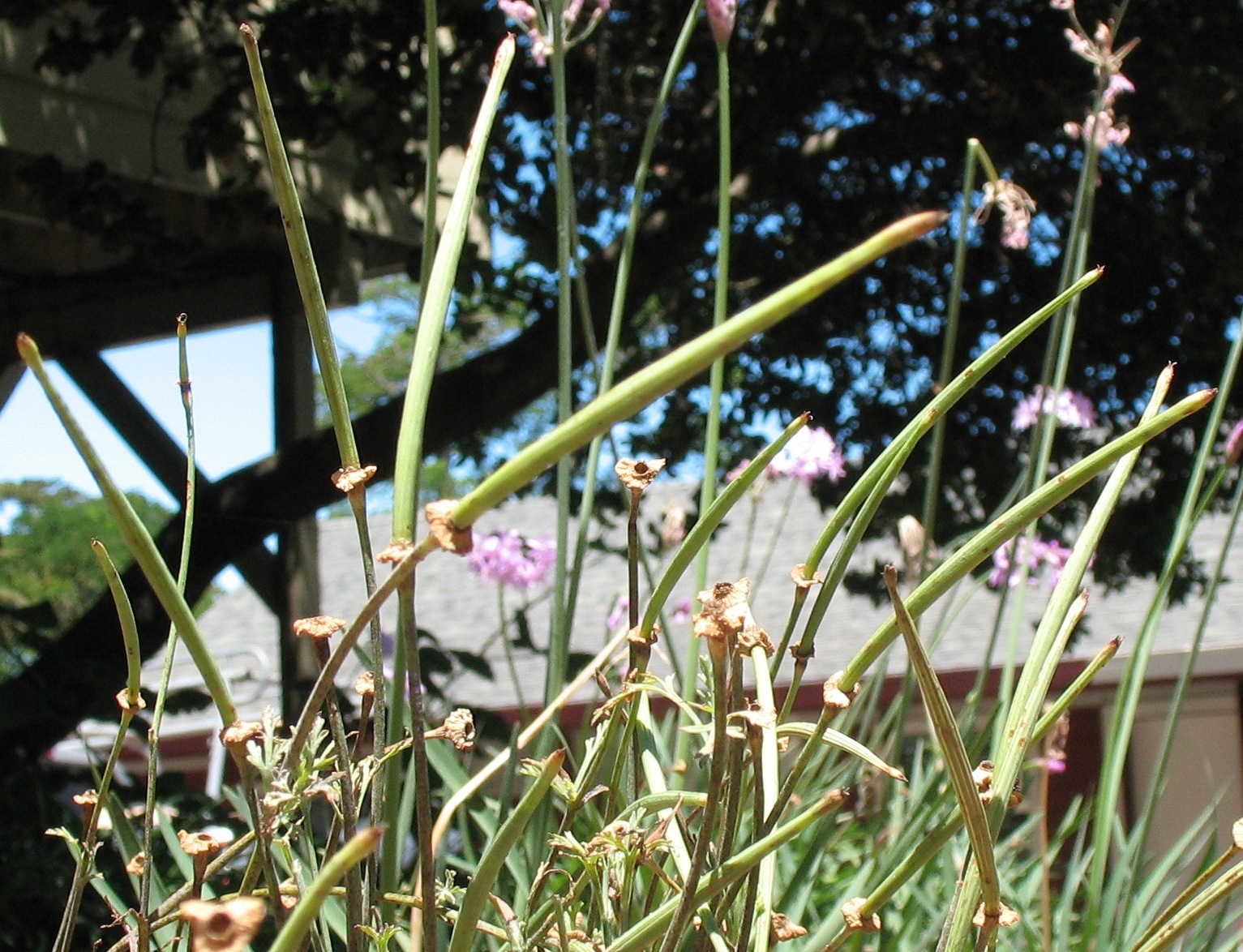
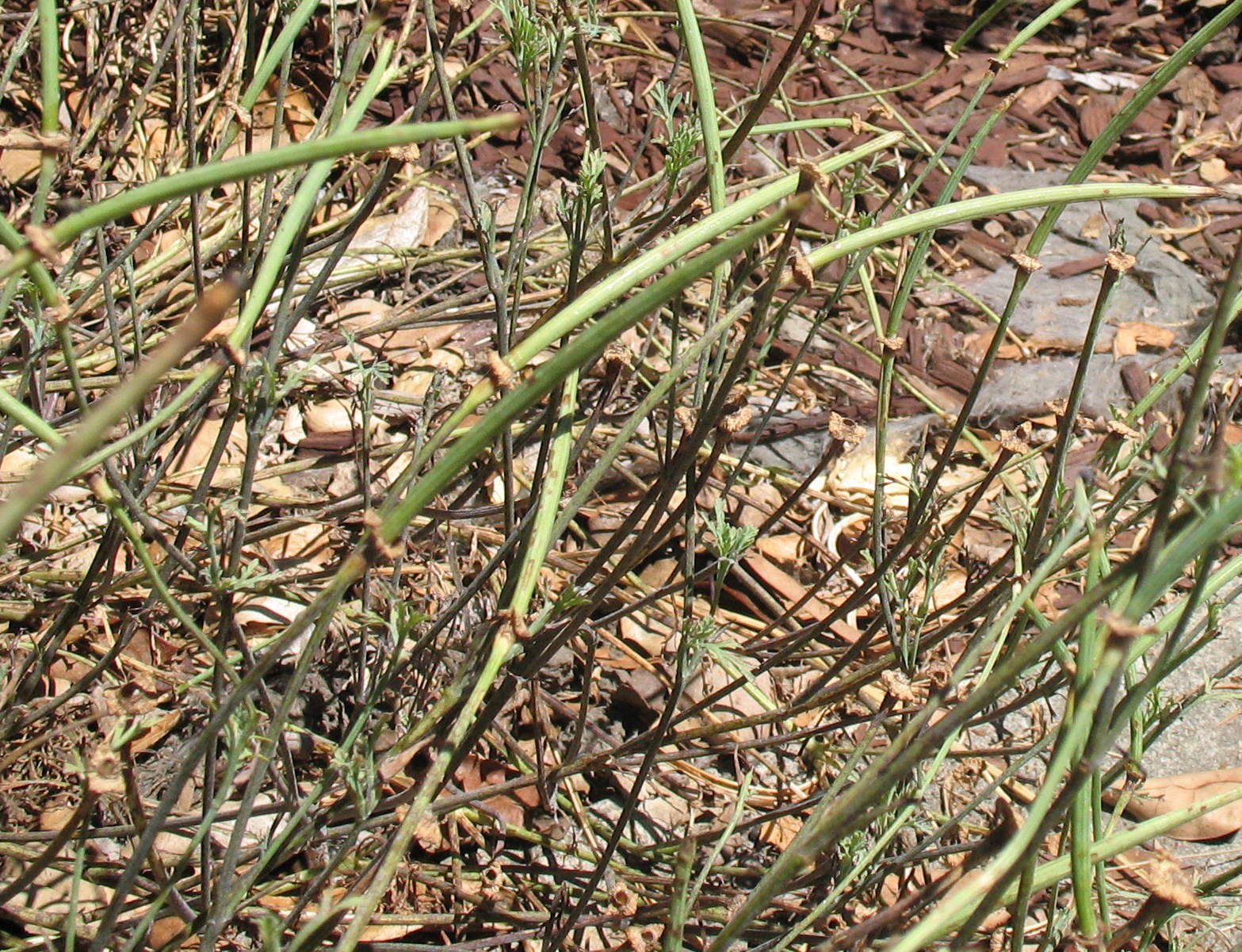
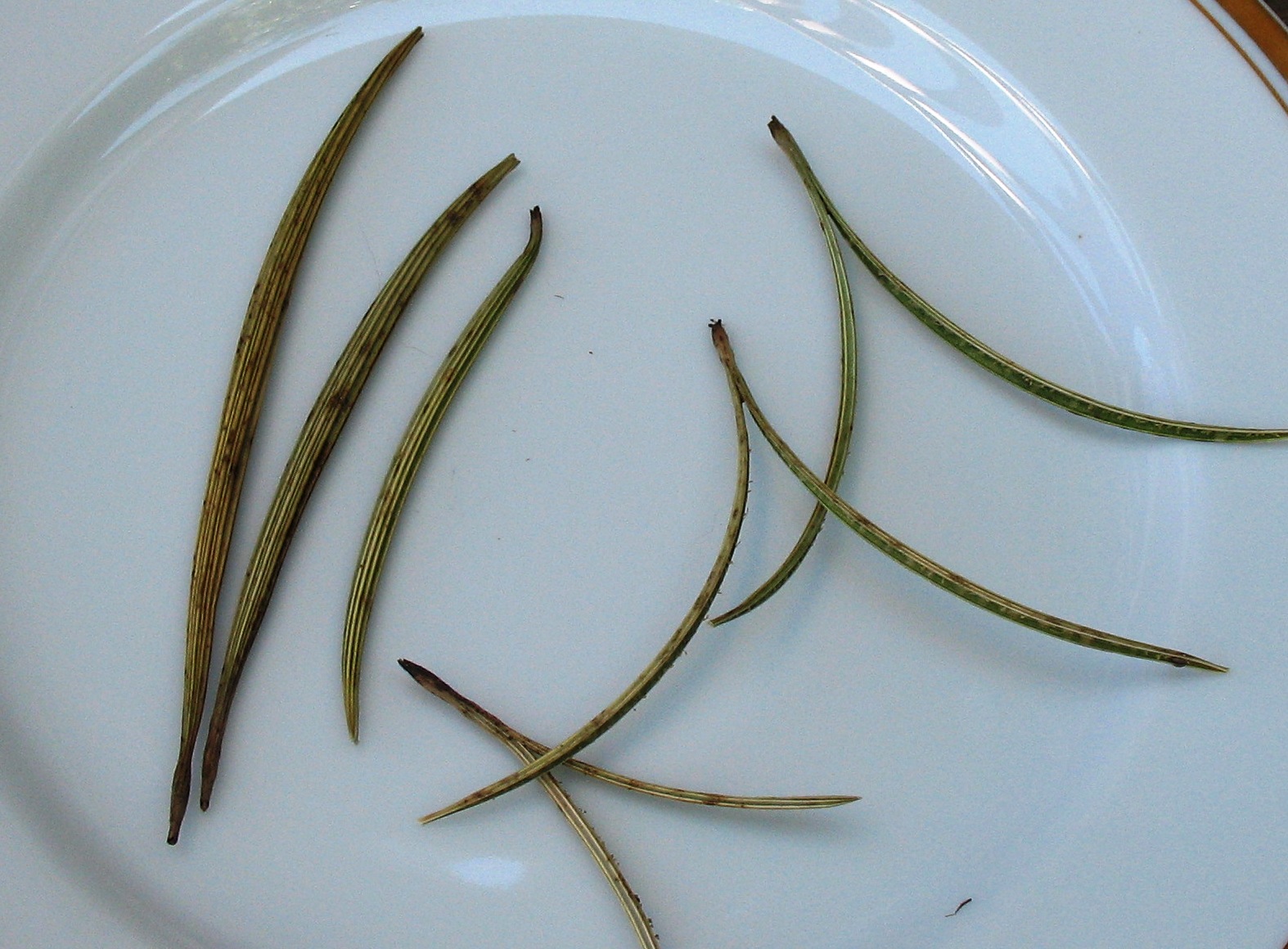
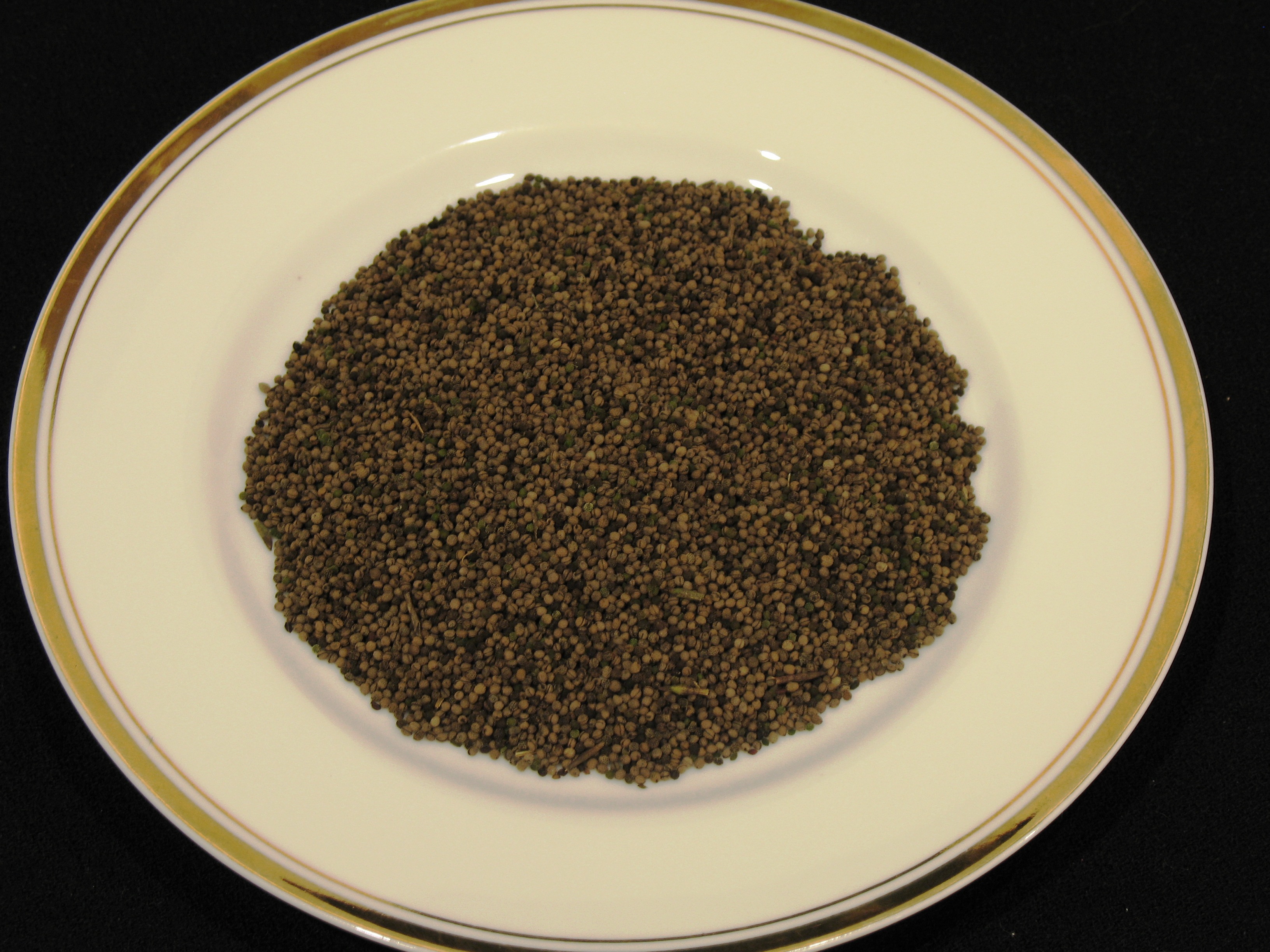
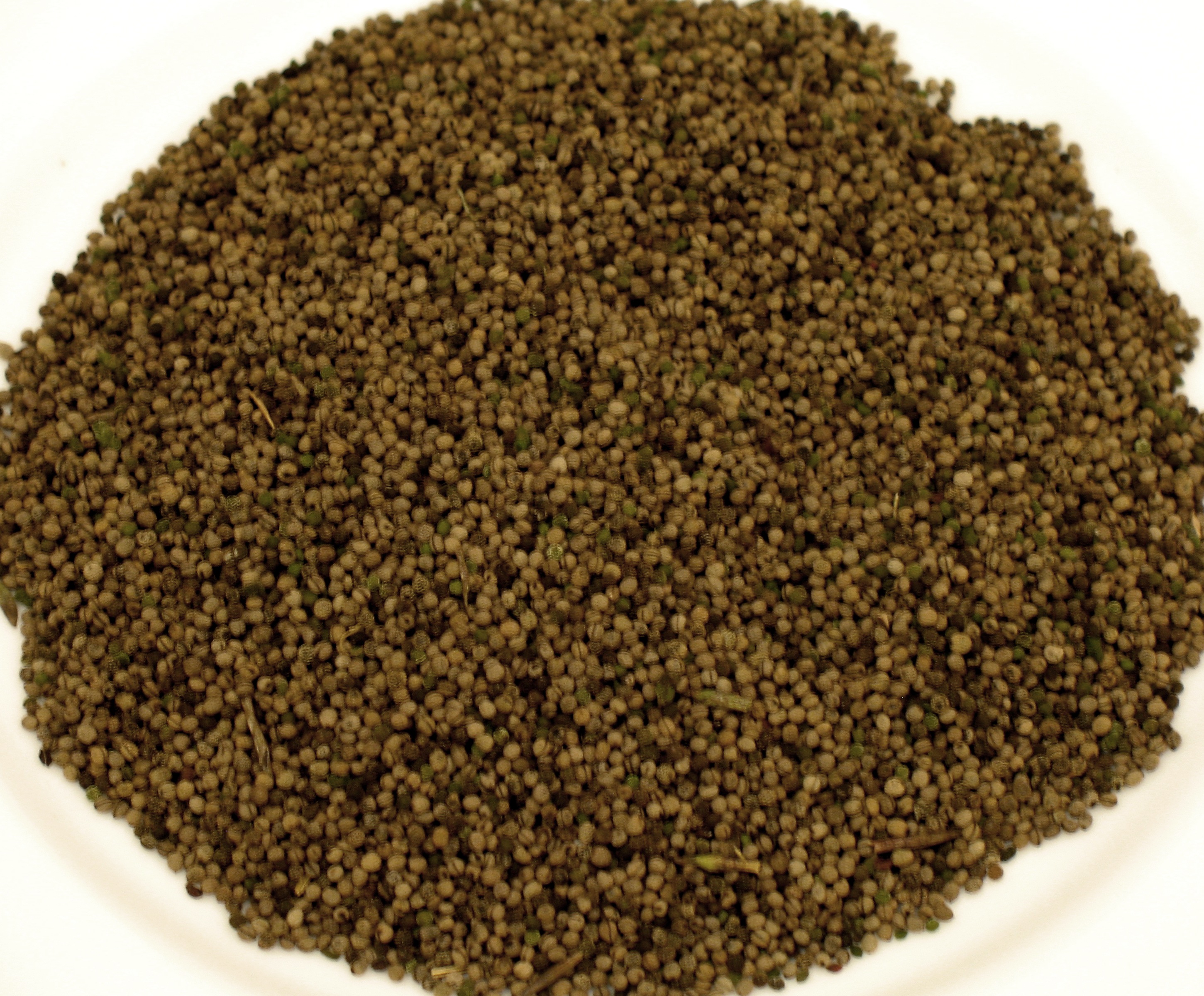
The average seed pod is about 3” long, about 1/8” in diameter, (though that can vary a lot) and tapers to a point at both ends. Its trick in spreading its seed is not unique, but it is unusual. When the seeds ripen, (they’re the size of large grains of sand) and the pods dry, the pod splits in half as if it were spring-loaded, and flings the seeds as far as several feet. The difficulty in gathering seeds is waiting long enough to be sure the seeds are mature, but picking the pods before they “explode.”
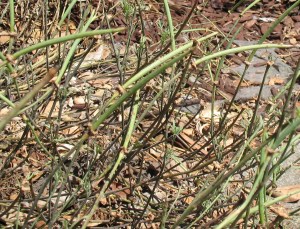
 

Nearly Mature

Nearly Mature on Scraggly Plants

When this adventure started, several years ago, I was able to collect several hundred seeds from my yard, but only a few dozen from the on-ramp location. (The difference, in part, was simply access.) A problem with the seed I collected was that I couldn’t ensure that all of them came from white-petaled plants. By the time I came up with my grand plan, the seed pods were already developing and had long since lost their petals, so there wasn’t a clear division of plants by color. Unavoidably, some of the seeds I gathered came from orange poppies.
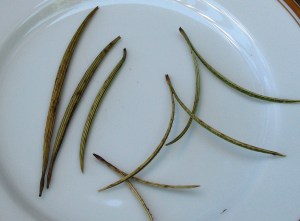
Sprung and Unsprung

Sprung and Unsprung

That was a few years ago and it wasn’t until last year, after moving to Two Rock, that I had a chance to put my plan to work. I placed seeds in 6” pots, separating them into groups of “home” and “on-ramp” poppies. (I wanted to be sure that I could pollinate one group with the other.) When the plants started to bloom, I found that about half of them were white and the others were orange. I pinched off as many of the “undesirable” blooms as I could, and used a Q-tip to transfer pollen from one group of white flowers to the other. By this point I was second-guessing myself about my “scientific protocol” but it was, what it was.

On top of that we had to leave for about 10 days to attend a family memorial back east. I arranged for the neighbor’s son, (who we’d hired to feed the cats in our absence) to pick off the orange blossoms when they appeared. I explained to him the reason for the task, but perhaps it was all a little too esoteric for a 14 year-old boy to appreciate, because upon our return, I was greeted by a speckled patch of orange and white poppies. At this point, the experiment was out of control—the orange and white flowers had engaged in unbridled relations, and there was no telling what the color of their offspring would be. (Not that there’s anything wrong with that! That’s why they call them wildflowers.) I decided to make the best of it, and continued to remove the undesirables. When the pods were ready, I harvested those seeds where I felt confidant of white-petaled-parentage, and allowed the rest to go on about their natural business, spreading their seeds. But I vowed to do better next year.

As I mentioned before, I was surprised that a number of last year’s plants made it through the winter, and they became part of what turned out to be a sizable patch of new poppies that came up this spring. Rather than plant any of the seeds I had gathered from previous seasons, I decided to work with what nature had delivered. What I hadn’t expected, and was pleased to see, was that most of the new flowers were white. And so I began, again, pinching off the orange blossoms and, when possible, removing the entire plant that was producing them.

Bounty

Bounty

Well, the last of the poppies are now drying up. (Due to our unusual weather, it was an early poppy season.) And I’m happy to report that I’ve collected an impressive quantity of seeds—and there’s more to come. Just how many seeds is hard to say. By weight, it’s a little over an ounce and a half. That may not sound like much, but there are thousands of them. But when I started this whole thing a number of years ago, I had no idea how changed my life would be.
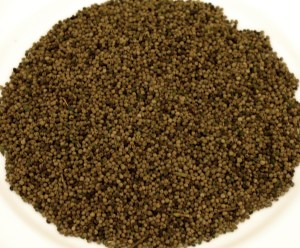
So many tiny seeds!

So many tiny seeds!

The love of a wonderful woman and an opportunity to create something special together, are calling me and my white poppies to lands in the east. I’m not sure how I’ll do with snow in the winter and humid summers, and I’m less sure how my fine petaled friends will do. But, I’m optimistic (and that’s saying a lot, for me) and I think these two California transplants will do fine, just fine.


Breaking Just the Rules

A.V. Walters

It was hot today, hotter in town. Sometimes it might just be better to set hard work aside on so hot a day. But we had committed to prune and thin the oak trees at Rick’s house. (Sounds funny, because I think of this as Rick’s house, but I have to remember that he has a house, a family and a former life.) That house is listed for sale right now, so there’s a flurry of sprucing up going on. Rick is doing his part, too.

That yard is graced with elegant mature oak trees—a lovely canopy against the heat of the summer sun. It hasn’t been pruned in years, so the understory has a lot of dead branches. It makes the yard look a little like a haunted forest, so it really did need some help. We arrived, ladder, chainsaw, Japanese pruning saw and loppers, ready to bring shape, air and light back to these gracious oaks.

I’ve been an avid tree pruner for years and I grew up heating with wood, so chainsaw protocol is in my blood. There isn’t anyone in my family who isn’t comfortable with the working end of a splitting maul or a chainsaw. Rick is newer to the lumberjack world, but he’s a professional handy guy, a bricoleur by trade. So he’s no stranger to tools and safety. I don’t know how things all went so wrong, so quickly. But, we broke all the rules.

First, there’s ladder safety. The area where we were working was sloped. We started out right, I was spotting Rick, holding the ladder when he was working on high. Later, perhaps eager to finish on such a hot day, we split up. I started on the ladder, but climbed up into the tree and was limbing from above, using the pruning saw. Rick took the ladder, and was working, not far from me, using a chainsaw. He was watching me, because I have a reputation for being clumsy. He wasn’t crazy about me climbing around in that tree. But it was going well. In no time, our work area, the driveway beneath the trees, was littered with branches.

Maybe because I’m female, and never as strong as the guys, I’ve always felt pressed to do the same work—but my way. Instead of lobbing off a big branch, I make a series of small cuts. It takes me longer, but it’s safer. I’m always careful to first make scoring cuts so that a severed limb can’t swing uncontrolled on a bark tag. I always work well ‘inboard’ from my cuts. A big branch can swing – and especially if you’re on a ladder—it can be dangerous. Years ago, I did a short stint as a park ranger—the guys all laughed at my ponderous progress.

Though Rick takes bigger ‘bites” (lobs off more at one whack) than me, I’ve always observed him taking all due care. He’s usually better than me—ear-plugs for power equipment—gloves—I could learn from him.

So, maybe it was the heat.

There I was, in my perch in the tree. I looked over to ask Rick if he could spare the loppers. He was at the top of the ladder, just finishing a cut when the long, severed end of the branch twisted as it fell. I called out to warn him, but, with the earplugs and the chainsaw, he couldn’t hear me. The wider, spreading end of the branch swung slowly, towards the base of the ladder. I held my breath, but my worst expectation bore out as the branches swept the feet of the ladder sideways, and my Rick was in the air with the chainsaw. It was in slow motion, and if I close my eyes, I can still see it. He pushed the chainsaw away as he curled for the fall. It would have been a “good” fall, too if the ladder wasn’t on its side on the ground below him. He hit directly across the ladder’s legs, on one end of him, the back of his head cracked against the aluminum frame, bending it. In the next second, the backs of his legs hit, angled across the other side of the frame.

There was Rick, sprawled over the mangled ladder and I was stuck in the tree. I called out to him, but still he couldn’t hear me. I screamed for help. Rick couldn’t hear that, either. In that moment I realized how fundamental he has become to me, to my view of life, as we know it. It’s all about not giving up, and second chances.

Every male in my family has had some kind of accident having to do with chainsaws, or wood splitting or cutting. All have survived—though in a couple of cases, it was close. Mostly we learn from them—thankful that travesty didn’t turn to tragedy. Rick has just joined that “prestigious” club

I was getting ready to jump down, (Rick, now hogging the ladder with his body) when one of the house’s co-owners ran out to the driveway to see about the screaming. Rick was getting up and brushing himself off—looking dazed. He removed the earplugs and ordered her to stop right where she was—his glasses were missing and he didn’t want anyone to step on them. I knew he must be okay.

He’s pretty banged up—but it’s a miracle that he didn’t split his head open (or didn’t break something!) That’ll be the joke in the future—hard-headed. We actually stuck around and finished the job. I think I’m more rattled by the whole thing than him—but then, I saw it. We’ve both learned, and clearly, safety has just become more important. (I think my family needs to find a better initiation than chainsaws.)

And, maybe it was just the heat, but I’m feeling lucky.

Two Chickens, Two Eggs

A.V. Walters

In the best of circumstances, a healthy chicken will produce an egg a day. From time to time, or if under stress, a chicken will occasionally miss a day or two. When winter darkness comes, egg-laying goes. (It’s why commercial egg operations use artificial lighting.) Chickens will usually try to lay in a protected area. The chickens in our front yard have each picked a hollowed out spot under the redwood tree. We collect the eggs everyday. In fact, it’s one of the tasks that Rick especially likes.

What you don’t see, is extra eggs.

Yesterday, Rick found an egg just out in the grass, a yard or two in from the fence–no hollowed out nest–just an egg, sitting there. He picked it up and carefully set it aside. It wasn’t an especially good looking egg; it was a little dirty and mottled looking. Later, he quizzed me about the egg numbers over the past few days.

You see, we’ve been collecting two eggs a day. Rick figures we’ve been set up for another round of Farm Humor. That egg is a rotten-egg-bomb. Our front yard chickens couldn’t have laid it. The numbers don’t work.

We have a suspect. One Bad Egg. We don’t yet have a plan. We could just carefully dispose of this suspicious egg…or we could keep the joke going……


Remember, The Gift of Guylaine Claire and the award-winning The Emma Caites Way, are free ebook downloads through July 4, on Amazon.

Coop d’État

A.V. Walters

“Meet the new boss
Same as the old boss”

These chickens are aggressive. They made it absolutely clear who’s in charge in our front yard. Because the emus are so much bigger, we forget that they are still little kids. If ever there was a lesson that you’re as big as you think you are, this is it. Right from the get-go, the chicken-bully (as we call the more aggressive of the two) started harassing the emus. When they’d bend over to eat, she’d rush over and peck the emus right on the top of their heads! The message was clear—the chickens are in charge!

The emus have learned to steer-clear, and give the chickens a wide berth. At times, they can eat together, (if I make sure there’s ample chicken food.) But, in their meanderings, the two species have a different agenda, and don’t choose to keep company. They’ve made their peace, but it’s not friendly.

Bob, the cat, was hiding under the lower, redwood branches. He’d crept in, to check-out the chickens. The emus spied him and took off in hot pursuit. They split up and triangulated their attack. The poor cat nearly didn’t make it over the fence, in time. And that was Bob, a cat they know and like! (Well, like may be a bit strong, but they know he’s not a threat.) Were the emus defending the chickens? Or, having been demoted in their own yard, merely defending their dignity against an unsuspecting target? And, just what was Bob doing in the redwoods, anyway?

Bob, from a safe distance.

Bob, from a safe distance.

Rick had it in his head that he could solve the underlying animosities by swapping out the bully-chicken for a more self-possessed, well-mannered chicken. (We live on a chicken farm, so we have access to spare chickens.) My sister shook her head. Even from 2,500 miles away I could hear her tight-lipped nonresponse. (The woman has her own chicken issues, I tell ya.) Finally, not one to hold her tongue, she cryptically said, “Won’t do any good; it’s about pecking order.”

I hate to admit it, but I’m enough of a political Pollyanna that I actually like the idea that deposing one bully could solve the problem of tyranny. Apparently Rick does, too. We’re not naïve. We read the papers. Has there ever been any coup that didn’t just install the next bully? I was in no hurry to do the chicken swap but yesterday Rick put chicken replacement on our to-do list.

We stuffed the chicken-bully in a box, and walked over to the chicken barn. We let her out and she immediately blended into the crowd. As for the replacement, how do you pick? What do you look for? Essentially, it comes down to who you can catch.

Not as easy to catch as it looks

Not as easy to catch as it looks

We returned with the replacement chicken and put her in the nighttime cage, to let the two chickens get to know each other through the safety of the bars. The squawking started almost immediately. The emus perked up—trouble in Chicken World could only be good news for them.

It’s official. The new chicken is the “low hen on the totem pole” resident of our front yard. The formerly docile chicken has stepped up to bully role. She doesn’t much like the new chicken and she’s loud about it. We’ve gone from nasty to noisy. She woke me up this morning, at sunrise.

The emus seem to like it. With the Chickens occupied with their own disputes, the emus are left, more or less, in peace. And actually, it looks like the emus are enjoying spectator status. I feel like I should serve popcorn. Funny how I can hear my sister’s “I told you so,” loud and clear, from across the miles.

Post-script:

Not so easy, this chicken swap. The new chicken was just too…well… chicken. She sat cowering in the corner of the porch all day.

Chicken chicken.

Chicken chicken.

Rick decided that it wouldn’t do. Another chicken swap was needed. We captured her and returned her to the barn. Rick rounded up a bunch of chickens, and then, using portable fence panels, thinned until he had just the chicken! The Goldilocks of chickens, not too bold, not too chicken. This one is just right. We brought her back to the yard and she settled in immediately, friendly, without being deferential. I think this chicken combo will work. Who knew it would be so involved? Now we need to see how the emus react.

Relaxing by the pool.

Relaxing by the pool.

Don’t forget, The Emma Caites Way and The Gift of Guylaine Claire are available as free Kindle downloads on Amazon–July 1 thru July 4.

ec coverGuylaine Claire Cover jpg

I lived in a border town as a kid. In Canada, we had Dominion Day, followed in quick succession with Independence Day. The two cities, Windsor and Detroit, made a big deal out of that double birthday party. We celebrated together–art fairs, music, junk food, topped off by an amazing display of international fireworks over the Detroit River. It was always an event that defined summer, and defined the international flavor of our home. My parents were Americans, living just over the border in Canada. Three of five kids were born in the states, but the last two (me and my little sister), were the Canadians in the crowd.

My writing reflects my dual roots. In celebration of Dominion Day (okay, so now they changed it to Canada Day) and the Fourth of July, my books will be available as free downloads on Amazon for the entire four day Freedom Festival. July 1 through July 4, enjoy two free books that will make you laugh, cry, and taste the various flavors of the North American culture clash. Let your summer read include a stroll through turn of the last century art with The Emma Caites Way or a more reflective, and very Canadian, The Gift of Guylaine Claire. Don’t let this award-winning offer slip by. Check me out on Amazon–A.V. Walters, or click this link, http://www.amazon.com/A.-V.-Walters/e/B008AL153M/ref=sr_ntt_srch_lnk_1?qid=1372540421&sr=1-1

It’s blistering hot here in Two Rock, perfect summer weather to settle back with a great book.

Not By The Hair of My Chinny-Chin-Chin

A.V. Walters

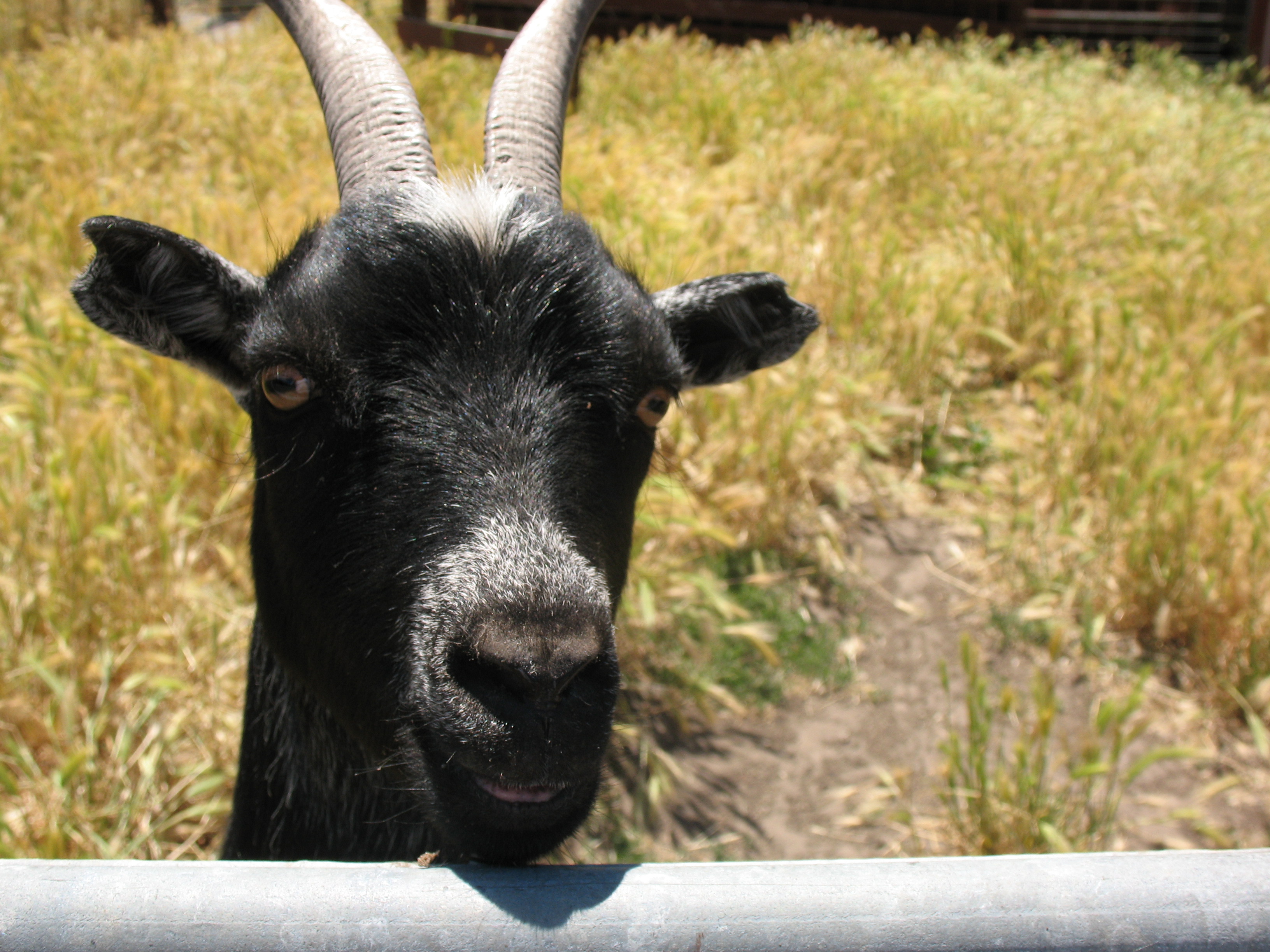
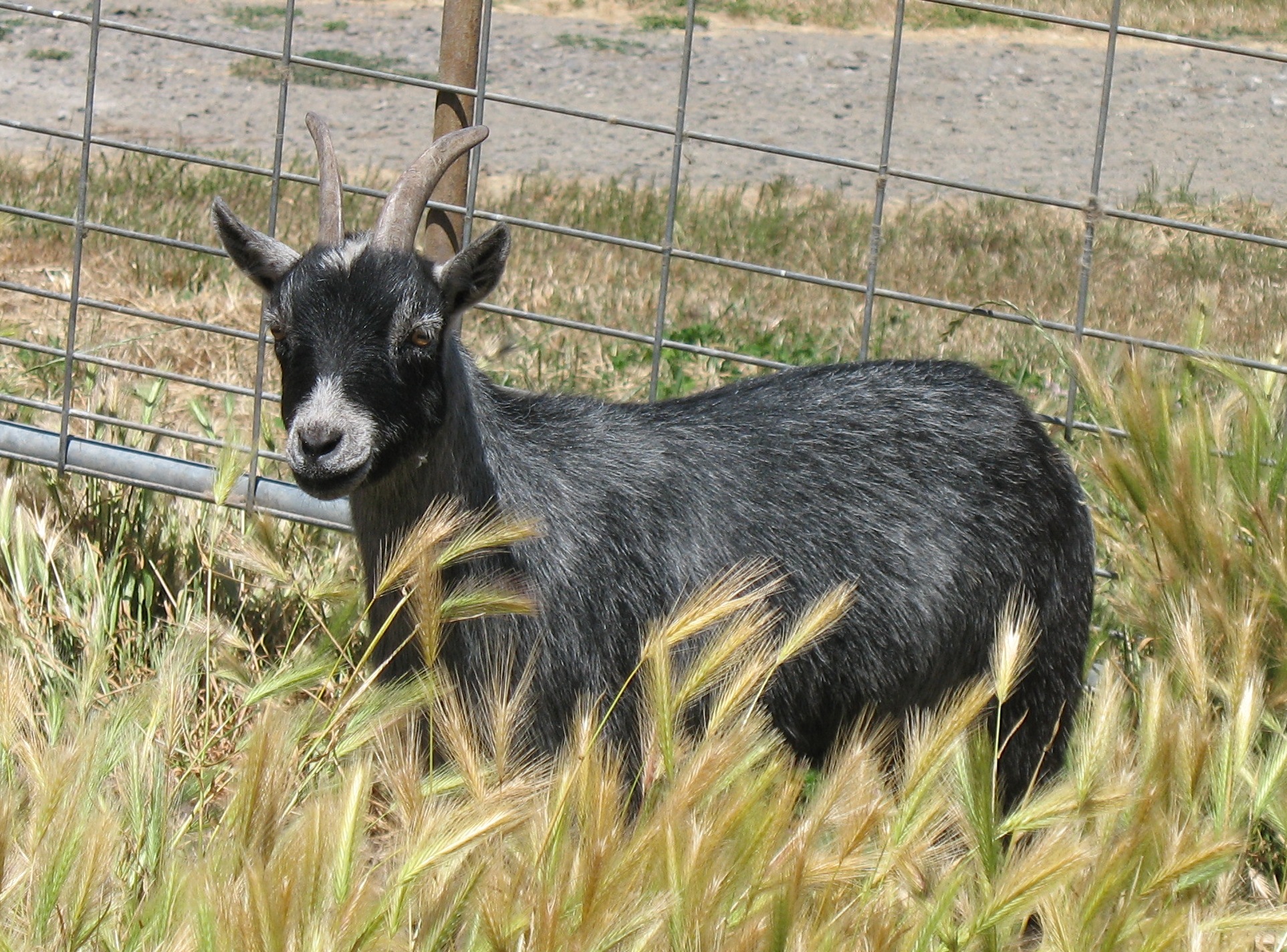
Today the goats got out. I don’t know how. I was on the back porch, talking on the phone to my mother, and looked up to see two goats staring at me. “Rick!” We rounded them up and brought them back to one of the old sheep barns where they’ve been staying, ever since one of Elmer’s tenants abandoned them. They herded pretty well over, but balked at going back in through the gate. One of them appears friendly, the other a little stand-offish. We were taking note of their demeanor, because these are the goats that have been recommended to us for our front-yard-emu-training efforts. These goats are full grown, but little.

There have been some strange goings on, of late, with gates and locks—and this goat fiasco fit right in. The gate was wide open. The gate peg had been laid neatly on top of the fence post, indicating that the goat escape was no accident. We need to get to the bottom of this, since there’ve been mysterious issues with our gate, and we don’t want the emus out on the road.

Getting the goats into their pen was a bit of a feat; once we got to the gate, they took one look and weren’t so interested in cooperating anymore. We had to trick them, with carrots as bait. (It turned out not the best goat treat. Who knew?) Once inside the pen I came to the conclusion that maybe these goats had been abandoned for a reason. Indeed, that was when “friendly” suddenly wasn’t. The more it became clear to them that they were being returned to the pen, the more aggressive she got.

Friendly Might Just Be Aggressive

Friendly Might Just Be Aggressive

She originally liked being patted on the face, but when confronted with a return to captivity, she started pawing and then butting. She’s only knee high, but a butting goat is no joke. You don’t dare turn your back on it. (Rick had noted the same behavior when he’d passed by their pen, about a week earlier.) Taking no chances, I decided to climb the fence to make my escape. Her shyer companion isn’t as friendly, but isn’t a butting problem either—she follows her more aggressive friend, but keeps her distance.

Shy Is Looking Good

Shy Is Looking Good

Finally we got them re-situated. It was a lesson learned. (No, not “Don’t look a gift goat in the mouth.”) We now know that we don’t want these goats in our yard. It’s enough that we have to watch out for emus and chickens (but not having to go down to the hen house for eggs, is a plus.) I really don’t want to have to defend myself from aggressive goats. The great goat escape was a minor annoyance but it’s one that will save us grief in the future. So, the verdict is in, No goats.

Who’s Chicken, Now?

A.V. Walters

Emus aren’t, by nature, guardian animals. They’re actually pretty skittish and, if you want them to guard a herd, they need a proper introduction. Emus are very social animals, but they need to learn who is part of their flock, so they’ll know who isn’t. Gatsby and Kelvin have been running-off anything that comes into the yard, such that we can’t always tell if they’re being nasty, or just overly-friendly. Sometimes, it’s hard to know the difference.

I once had a cat that seemed gregarious and friendly but, at that time, I didn’t have many visitors in my life. Then, when people would come over, the cat would disappear. It turned out that he was petrified of anyone but us. It’s taken years to get him to be comfortable around visitors and strangers. (Rick may argue this point because this cat will still scoot away from him, when he walks into the room.)

And so it is with the emus, they are very comfortable around us, and most of our friends. So, we thought that they were generally, friendly emus. And, well they are, but only within their comfort zone. When strangers come by, they can be a little nervous, and potentially dangerous. That’s the good news… and the bad news, about emus. If they know you, you’re family. If they don’t know you—you are a potential enemy.  As we’ve said before—they’re not real bright. It’s kind of a binary system, they’re either on, or off. If an emu is afraid, then you need to be a little afraid. You need to pay close attention if they start to hiss or huff. Because, not far behind that, is an instinctive, and potentially devastating, kick.

It’s not just with people. The emus are comfortable with our cats; they grew up with them. But they clearly make the distinction between ours and the feral cats from the dairy, next door. Those cats get run off (I suspect with some glee.) It occurred to me recently (when a visitor earned himself a solid hiss) that our emus needed finishing school, so to speak.  So, we decided to start small.

Since there is the possibility that the emus may be guarding chickens, it was a small enough place to start. First, we put an empty cage in the yard, for a few days—that garnered some interest—and soon enough, it became part of the landscape. Then, two days ago, we dropped a couple of chickens into the cage. The emus were wary, to say the least. They scooted around, wide-eyed at the new arrivals’ cackling. (They do seem to be particularly noisy chickens.) We gave it an overnight, and the following day, we opened the cage.

Here come the chickens

Here come the chickens

Now, these emus are teenagers. They’re not yet full sized, but they’re a lot bigger than a chicken. But when it comes to new experiences, they’re still just babies. The emus headed to the far side of the yard. Then, after watching from afar, they slowly inched closer to size-up the new invaders. The chickens are full-gown and about as bright as… well, chickens. They, in contrast, are totally nonplussed by the emus. The emus alternate between being cool about chickens, and being spooked. They walk around like it’s no big deal, but if a chicken corners them, Kelvin, in particular, reacts like her life is at risk. Even though she’s the bigger of the two, she is also the most jumpy. (Boy, does she take after her mother, or what?) For his part, after an initial nervous phase, Gatsby invited a chicken to “dance” (doing the characteristic, emu drop and roll.) The chicken was non-responsive—clearly ignorant of the emu rituals of engagement. I can only hope that the emus aren’t put-off. They’ve managed to share food dishes and yard without serious incident. So far, we’re calling it a success, in a measured sort of way.

Who's stalking whom?

Who’s stalking whom?

Clearly, it’s a good thing we recognized the need for this. These emus have some manners to learn before they head out into the world to take on their security work. We don’t want to raise thugs, after all. We’ll start here, quietly with chickens and, in a week or so, we’ll trade up to goats. Goats, you ask?  Well, Elmer has a couple of goats that were left behind by tenants (this is typical, Elmer) and they’d be perfect for hardening off a couple of flappable, emu trainees. In a few weeks, maybe they’ll be ready for sheep.

Breaking Bread

Breaking Bread

Rick nods to Elmer, noting that we have two cats, two emus, now, two chickens and soon, two goats. He says that if we start building a boat, anytime soon, people should pay attention to the sky.

chick-n-emu 4


Online Timing

A.V. Walters

I cannot tell you how many friends have been after me to go online with social media. I always resisted, citing my privacy concerns. So, finally I did it, just in time for the Edward Snowden revelations and this blizzard of media attention to privacy issues. No, I’m not happy about it. And now all those same friends are laughing and emailing me about having chosen the worst possible environment in which to “go public.” What nobody is mentioning is that, while the government is a problem, multinational corporations have NO constitutional limitations on what they do with your private information and they are out there, swapping your personal info like bubble gum cards. (Buy Them, Trade Them, Collect the Whole Set)

I heard on the radio yesterday that Orwell’s book, 1984, has been an overnight success in sales in the past few days. Too bad George missed the peak. Everybody’s trying to find a way to sell their novels.

Social Media Angst

A.V. Walters

They say you’ve got to do it. An author, especially a self-published author, has to have an online presence. I have resisted. Not that you’d notice from this blog, but I’m shy. (Really, you can be opinionated and shy, at the same time.) I have an inherent distrust of corporate ethics and, to engage in social media, you have to trust them with your personal information. They said I had to blog, so I blogged. Not that I regret it, but later when they acknowledged that a blog don’t do diddly for a fiction writer, I felt some relief. Now they say I’ve got to go on social media. I blanche. My chest tightens and my brain becomes waterproof, impervious to new information. Facebook. LinkedIn. Google+. I shudder.

Toe in the water, I’m now on Facebook and Google+. (Check it out, AV Walters) I know that registering is just the first step. I’m supposed to post regularly, to engage with the world through technology. Sheesh. I see them, my friends, with their faces glued to the screen. They’re following the cartoons and Youtube links sent by their friends. But, the day is beautiful. And, there’s gardening to be done. Still, the steady glow from the screen has them in its grip.

I don’t know. Just all part of the grand experiment, I guess. I still think you need to actually live a life in order to report on it. If this enhances the experience of living—I’m all for it. If it’s a substitute for living, well, I’ll see you in the garden.

And, here’s the irony of it—I’ll be blogging my impressions. Go figure.


Voters and Chickens:

Rights (or the lack of) and Repercussions

A.V. Walters

The Chickens have the floor…

Our emus may have to adjust to a different future that I’d imagined for them. It all goes back to a wacky election in 2008.

You see, in that year, animal rights activists put a referendum on the California ballot that would forever change the way chickens are kept on farms in our state. The measure was poorly defined, and the drafters were a million miles from anything in the world of chickens or eggs or economic realities. Still, the objective was to decrease the level of “cruelty” in livestock agriculture. Who could be against that? With some measure of bitterness, I note that that same election cycle produced another measure that stripped marriage rights from gay and lesbian couples in our state. Here we are, over four years later and to date we haven’t sorted out either one of these issues. Chickens given rights, people losing rights! Only in America!!

On the same-sex marriage issue, we are leaping into the future. In part because of the unfairness in the Proposition 8 law, the public dialogue has changed radically. One by one, states are stepping up (as well as the international community) to ratify human rights, ending discrimination in our antiquated, marriage laws. Sadly, in California the situation remains unsettled because actual law moves more slowly than public opinion (and that may be a good thing, sometimes.) This deplorable referendum has worked its way up through the appellate courts and into the highest court in the land. I can’t say the chicken situation is working out so well, either.

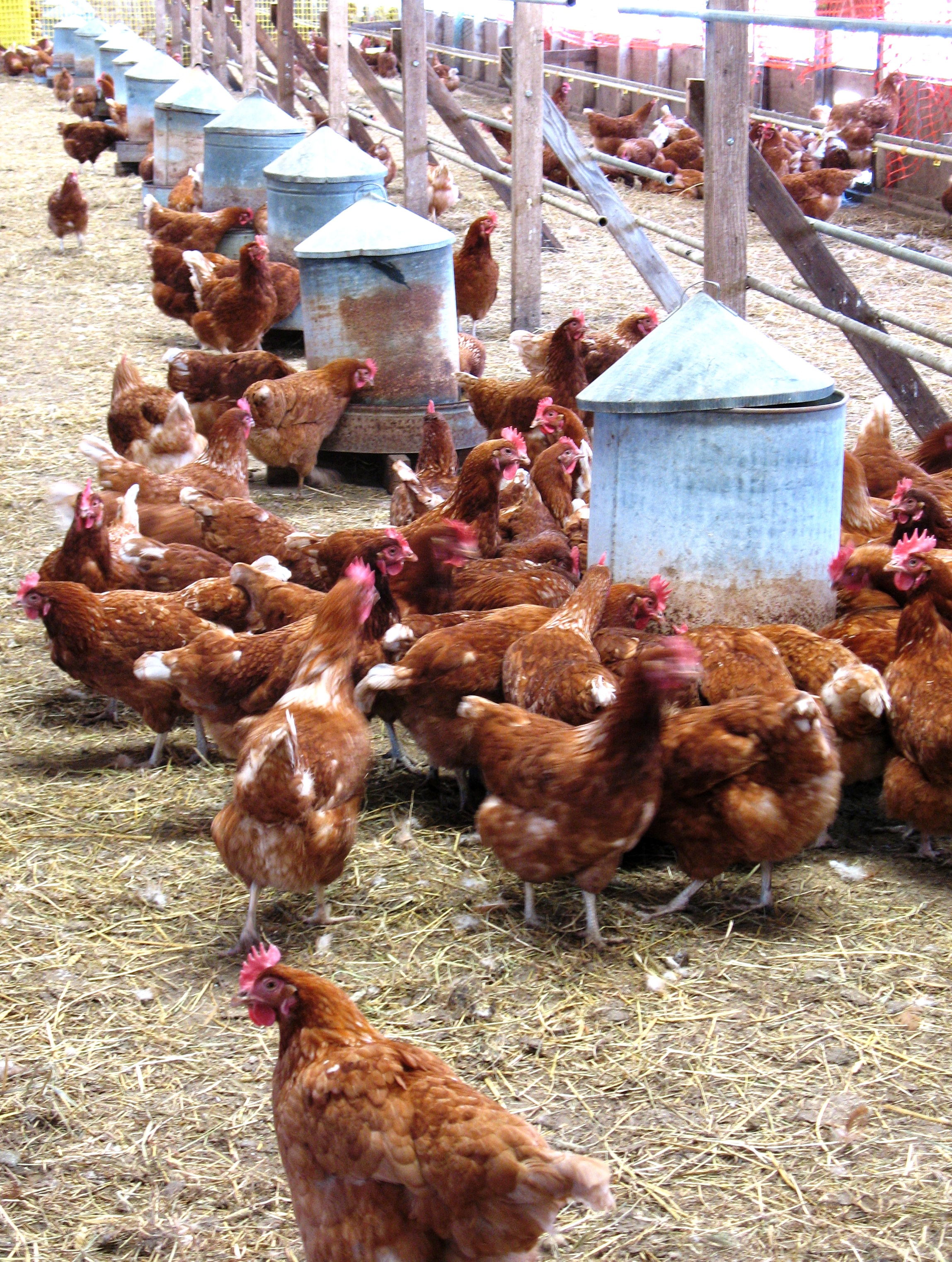
Everyone would love to know that the chickens (or eggs) they eat come from some warm and fuzzy, loving farm-home. Modern farming, especially livestock, isn’t warm and fuzzy. Large scale farming is even less so. Since the Chicken Rights referendum wasn’t specific about how chickens should be kept, litigation immediately ensued. (How ironic, a “what came first” thing—the rules or the legislation.) So, farmers waited for instructions. While we’re moving towards an ascertainable standard, the deadline for compliance looms, and many of the older farmers are just closing up shop. What is clear is that the chickens need more “personal space” and elevated wire cages may soon be a thing of the past.

Elmer’s been watching the issue since that election. He’s attended the poultry conferences and seen the new, demonstration equipment. He’s lived on a chicken farm for his entire life and has watched poultry and egg production methods come and go. “Cage free is the future,” he says, “And that’s what we had when I was a kid!” He shakes his head.

“When the cages came in, it was supposed to be the wave of the future. The elevated, wire cages solved a lot of the problems—the waste dropped through the cage for easy removal, the feed was delivered to the troughs along the cage and the eggs rolled forward on the wire chute for easy gathering. Since the chickens weren’t standing in their feces, a lot of the diseases we dealt with, in the past, just disappeared. It was clean and modern.”

The downside to the economy of scale was, well, the scale of it. The press for more production led to overcrowding, and some kinds of wire cages were harmful to the chickens’ feet. Now the consensus is that chickens should be back on the floor, they should be cage-free and should have material (greens, straw or shavings) for “scratch.”

The new law won’t solve the issues of scale and size, and disease becomes a bigger concern. Given the new (and still unclear) restrictions, and the high costs of labor, the commercial solutions offered are high tech and expensive. Nobody wants to see egg costs go to $6.00 a dozen—which we sometimes see here from organic “boutique” farms. The operations challenges remain the same, waste removal and disposal, food delivery and egg collection. The industry is pimping gorgeous equipment—rolling (conveyor) floor beds, automatic feed dispensers and egg collection, all the bells and whistles. And the cost for an operation the size of Elmer’s? Try a cool, half-million dollars. It’s so high, that the only way to make it work is to seriously expand production. So this law, while well-meaning, will drive small producers out of business, and create even bigger factory farms. Good news for chickens?

Elmer is experimenting. He could retire if he wanted but instead, he’s going back to “chickens on the floor.” He’s cutting and bailing his own hay and straw for scratch and bedding materials. He’s resurrected old brooder boxes from over sixty years ago (farmers never throw anything out.) He’s modifying his manure collection system, using bedding materials for absorption, and thus minimizing the frequency of full removal (as relocating the chickens for cleanup is stressful to the chickens.) In short, he’s going back to the kind of farming they practiced when he was a boy. He’s mindful that he’ll need to keep an eye out for any increase in disease and, even at this experimental stage, he’s seeing a increase in predation

Chickens in elevated cages are relatively safe from predators. Elmer’s barns are designed for cage operations, with open sides for ventilation. On the open floors, especially where the chickens are given some access to open-air yard areas, he’s seeing a return of raccoon losses and fox and coyote problems. Even with his small scale experimental operation, he’s losing a chicken a day. This too, is like the old days.

He asked me today if I thought emus could guard against raccoons. In an instant, I saw the writing on the wall (or the broad side of a barn door.) It burst my bubble— the image of our emus patrolling the open range with sheep. I don’t know how emus would react to raccoons—but they’d be good guards against foxes and coyotes. A quick online search reveals no firm information on the emu/raccoon dynamic. It makes me a little sad to think of Gatsby and Kelvin guarding a chicken barn. But, on a farm, we do the work that comes our way. So, we shall see.

Emu Cool

A.V. Walters

Emus Callilng

Emus Calling

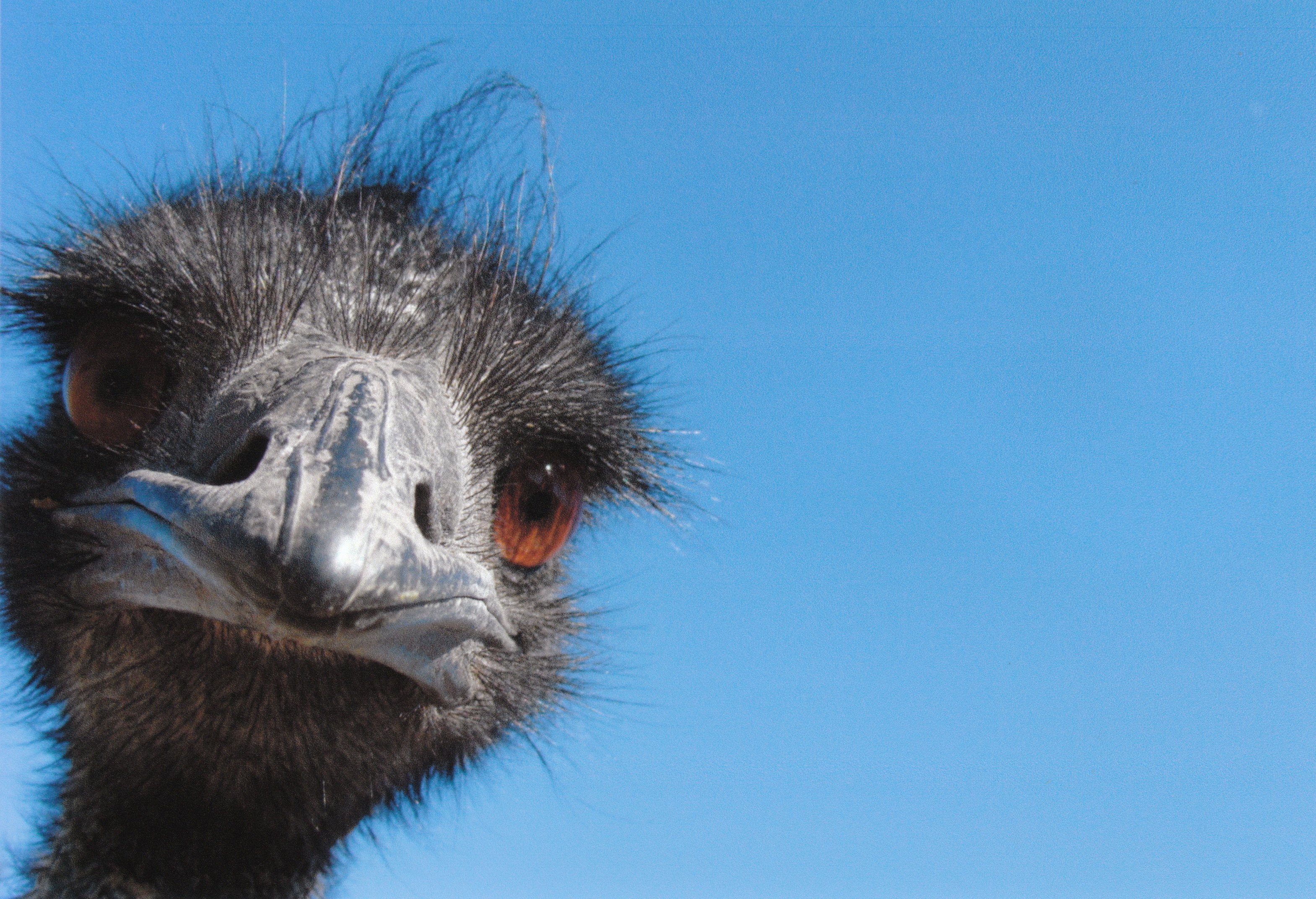
Soon, it’ll be time for these emus to move on, literally, to bigger pastures. As is their nature, they’ve become cocky and territorial. No bird, nor cat, dare light in their yard—the emus are a patrolling force to be reckoned with. Of course we have no idea what they’d do if they caught one of these trespassers—and I doubt they know, either. I worry a little that they might be too possessive to admit sheep into their private club. But, sheep are their future, their raison d’être. It’s to protect the sheep that the fields need patrolling. That’s the way it’s going to be, and Gatsby and Kelvin are going to have to learn to loosen up a bit.

They remind me of teenagers, hanging out in front of the convenience store, trading the short ends of cigarette butts, harassing the littler kids, and sneering at the adults who might dare to look at them askance. They march around the yard with purpose, their pre-historic, long-legged gait almost a swagger. Of course, if I come out with apple treats, the veneer of cool peels away in a split second and they’re eager emu babes, again.

Today was just such an exercise. I decided to wash off the front porch and clean the sidewalks. (Dirty birds!) Rick came along to man the hose—and the emus’ curiosity revealed them for the eager children they are. They seem to love anything with water. Rick trained the spray into the yard and, with little encouragement, they dashed in and out of the shower like kids through a sprinkler on a hot, summer day. Even after the running stopped, they (Kelvin mostly) stood and let Rick hose them down. Dripping, they followed me as I broom-scrubbed, hopping and pecking at the push-broom like curling champions (sport, not hair.) Cool aplomb gave way to raw enthusiasm as they followed me, chirping at this fun, new adventure.

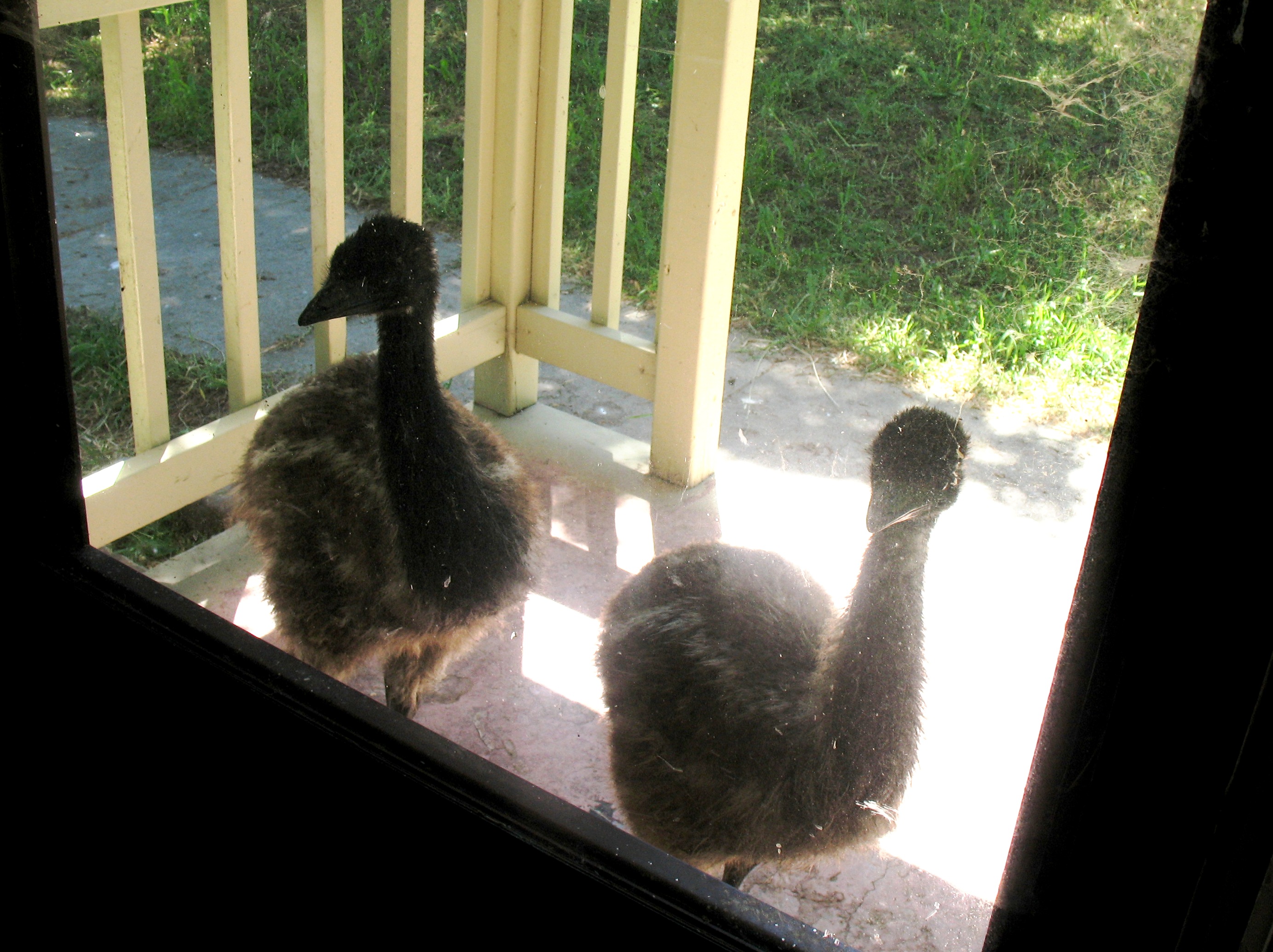
I decided to wash down the storm door and that brought a new round of chirps as they admired their reflections in the clean glass and then stooped close to peer into the house. They clearly remember that, once upon a time, the house was part of their domain. Someday, somebody is going to open a door, perhaps to call for a kitty-cat and, before they know it, two grown emus will be zipping across the threshold. What a shock it’ll be, and I’m sad that I’ll miss it.

I think I can hear them in there.

I think I can hear them in there.

Too soon, for Gatsby and Kelvin, the scrub-down was done. We shut off the water and put away the broom and bucket. Once we’d retreated indoors, back to work after the break, the emus remained at the door, beaks glued to the glass, hoping for an encore.

Hey, Come out to play.

Hey, Come out to play.

“Hey, can Rick and AV come out and play?”

A.V. Walters

Each year we have this same battle. The swallows arrive and want to build their mud-daubed nests under our eaves. I like them; they’re streamlined and beautiful, swooping in elegant arcs over the farm. I don’t fully understand the dynamic, but in their search for nesting sites, they’re attracted most to the protected areas just over our doorways. They’re almost as messy as emus (on a smaller scale) and, as beautiful as they are, I’m not inclined to duck and take cover whenever I enter or leave our home. One minute they’re endearing wildlife, and the next, they’re a strafing, dive-bombing hazard. They can nest anywhere on the farm except over my back door.

Elmer has a soft-hearted farm rule. Tenants are free to dissuade birds from building nests. (And so I’m out there like a maniac waving my arms, shouting, beating on the window and carrying on.) But if a bird pair builds a nest and lays eggs–they get to stay for the duration. We are not allowed to interrupt bird families.

Some years ago, Elmer was asked by some South American scientists if they could run DNA tests on the farm’s summer swallows. The scientists wanted to know if these Two Rock swallows were of the same family as their own Brazilian swallows.  Thrilled to be on the cutting edge of science, and to watch-first hand as the scientists captured, tagged and took blood samples, Elmer was the chief proponent of the Swallow Investigation. Sure enough, the DNA revealed that our summer swallows are the same ones that go all the way to Brazil.

It’s the same with most migratory birds. We think of them as our songbirds, swallows, warblers, hummingbirds or ducks, but really we share them with their winter neighbors. Even our Monarch butterflies are traveling visitors. The alarming part of that is that we cannot protect them. Habitat must be protected across half the globe to make the world safe for our migratory friends. That knowledge came as a shock to Elmer. The world got smaller with that knowledge. Elmer does his part with the nesting rule.

It’s that simple. One chicken farmer can make a difference with a rule, making it possible for the swallows to live and breed on the northern leg of their annual trek. We can decide to save a species by changing our behavior. Last year, Elmer put an owl house in the peak of one of the barns. Swallows, owls, a little information can go a long way to inform our decisions and how we move through the environment.

That doesn’t mean I’m going to let them build a nest over my door, but they are otherwise welcome visitors. They have as much claim to make a home as I do. And if they get ahead of me, build a nest and lay eggs, I’ll just swallow hard, and endure the inconvenience like I do for the emus. When it comes down to it, we’re all immigrants here and we can just make room.

(Oh, except for those noisy mourning doves–I don’t know what to do about them.)

Another Emu Day

A.V. Walters

The new garden is almost complete. Rick is working the last of the bugs out of the drip irrigation system. Three quarters of the plants are in, either as starts or as seeds. It’s a typical summer Two Rock day. It’s sunny and cool and the afternoon winds have whipped up. Over the weekend, in addition to the garden, Rick and I finished stripping the last of the diseased peach curl leaves from the peach tree. We’re in good standing with our spring/summer farm chores and it’s not yet Memorial Day.

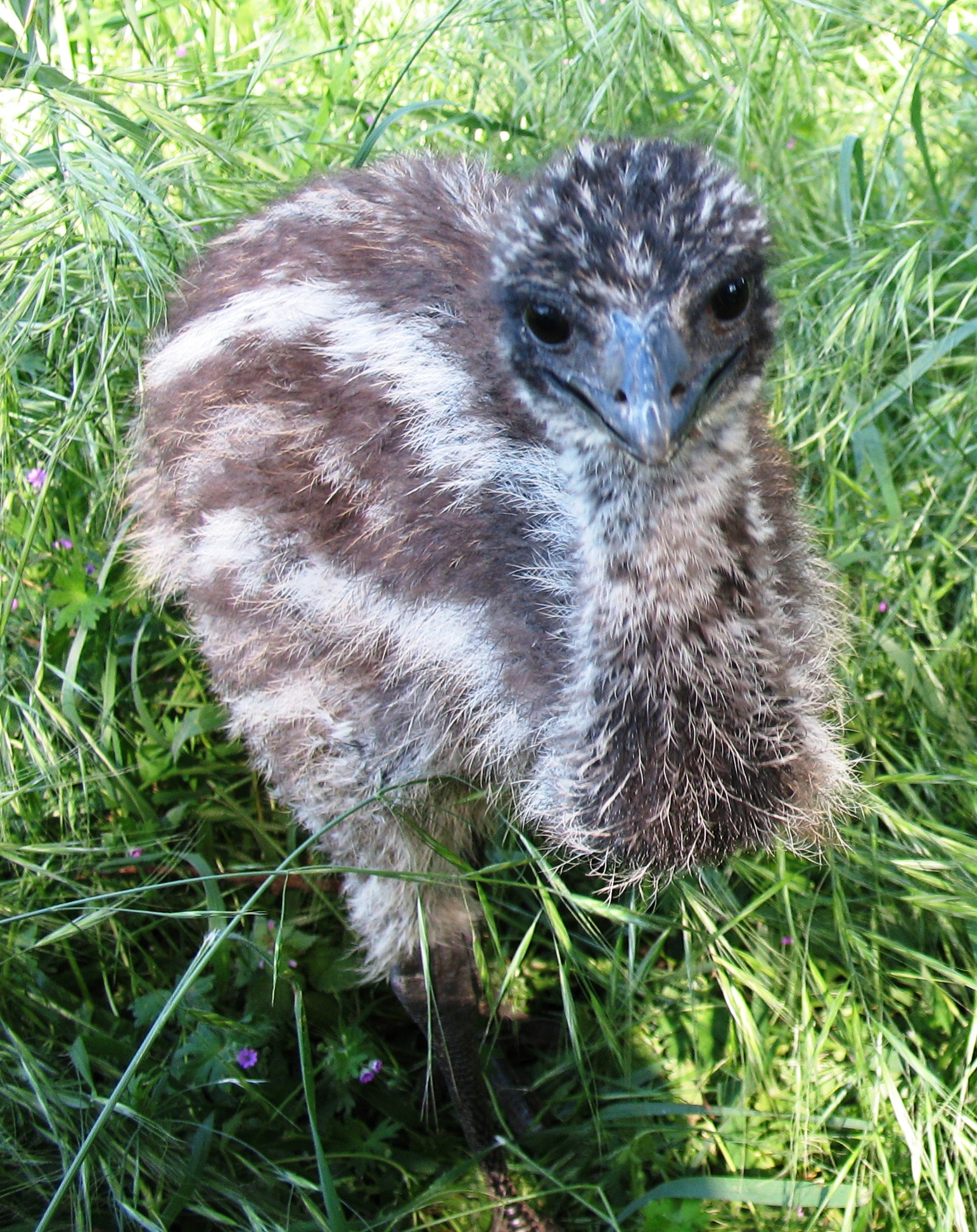
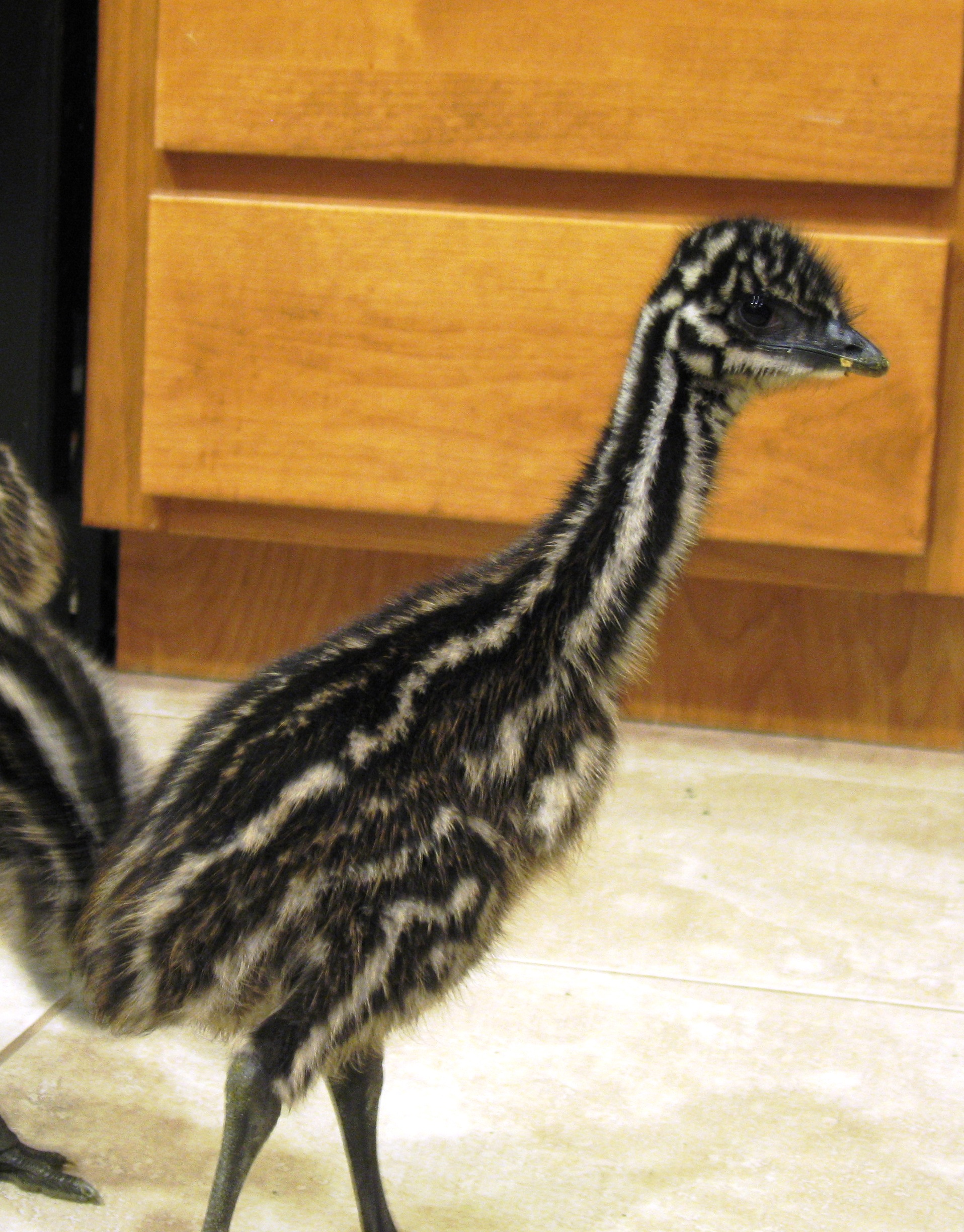
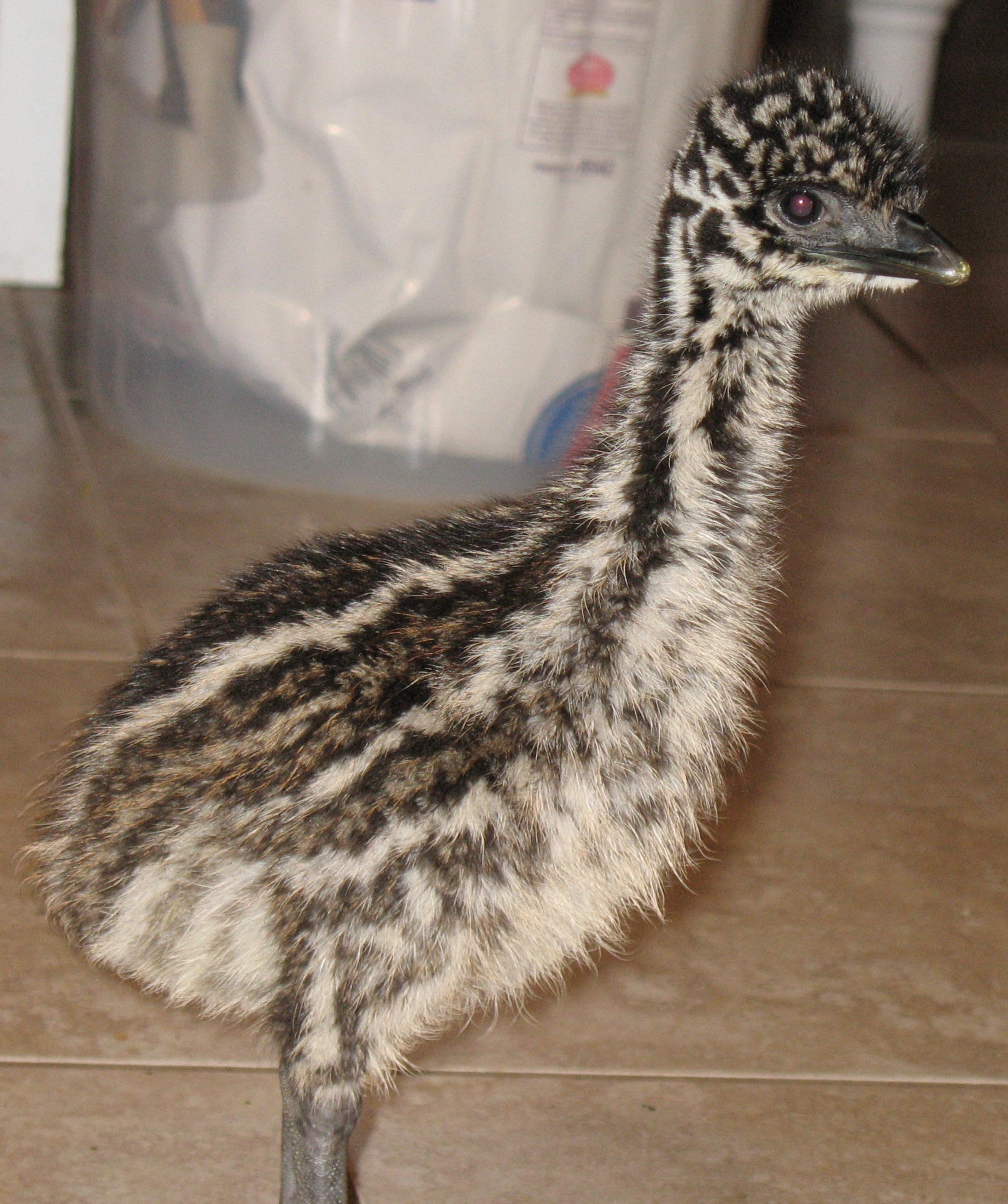
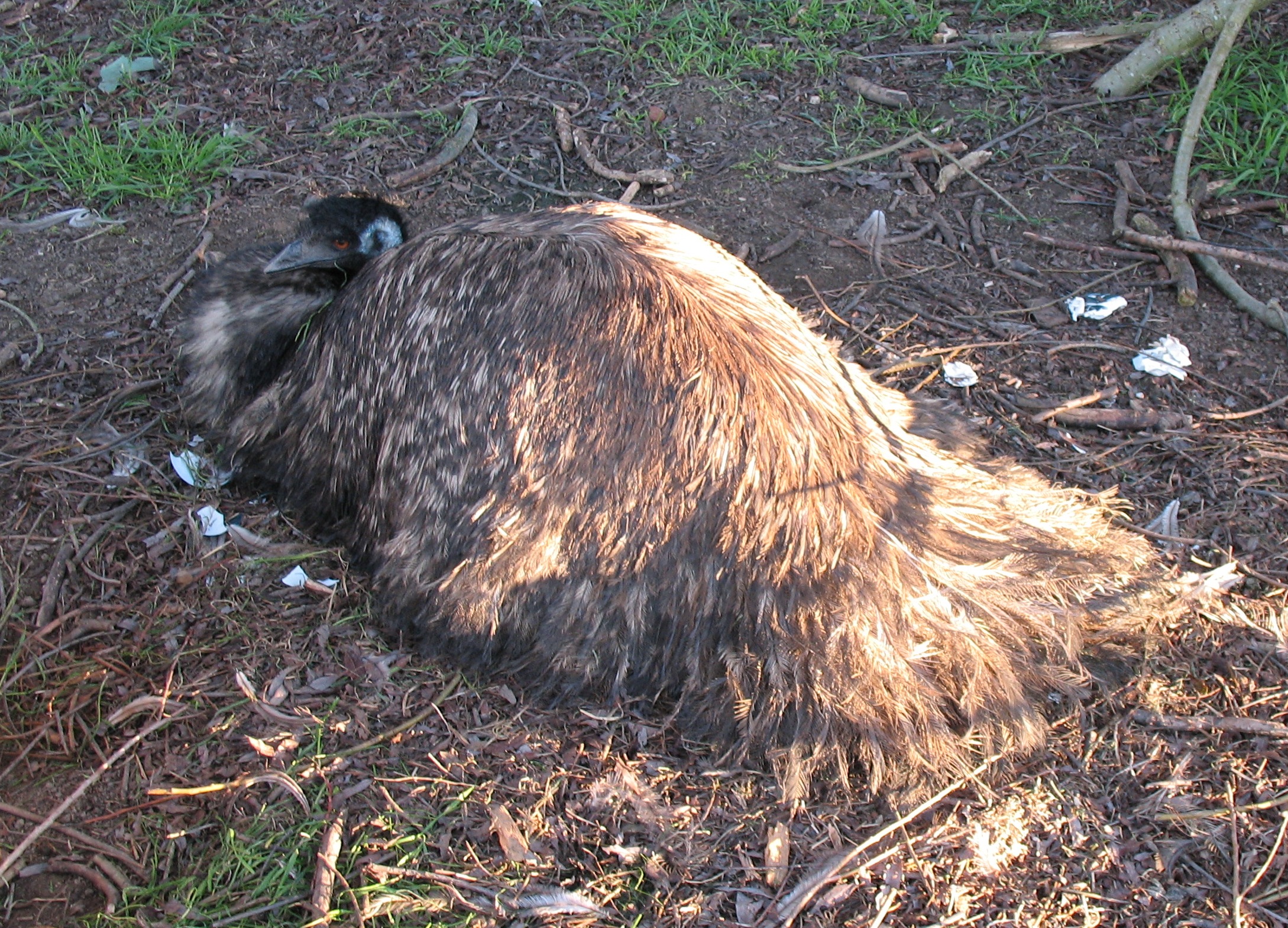
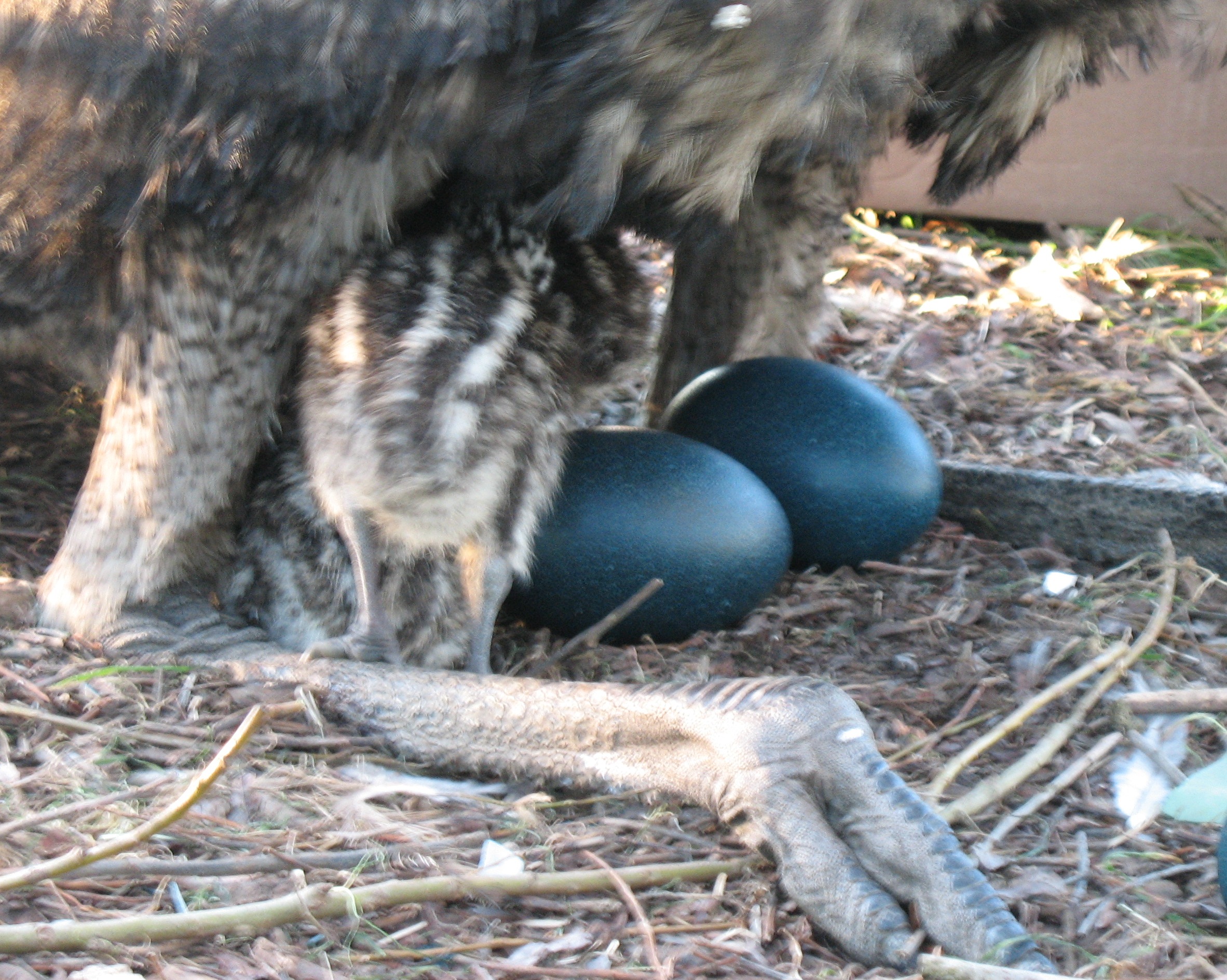
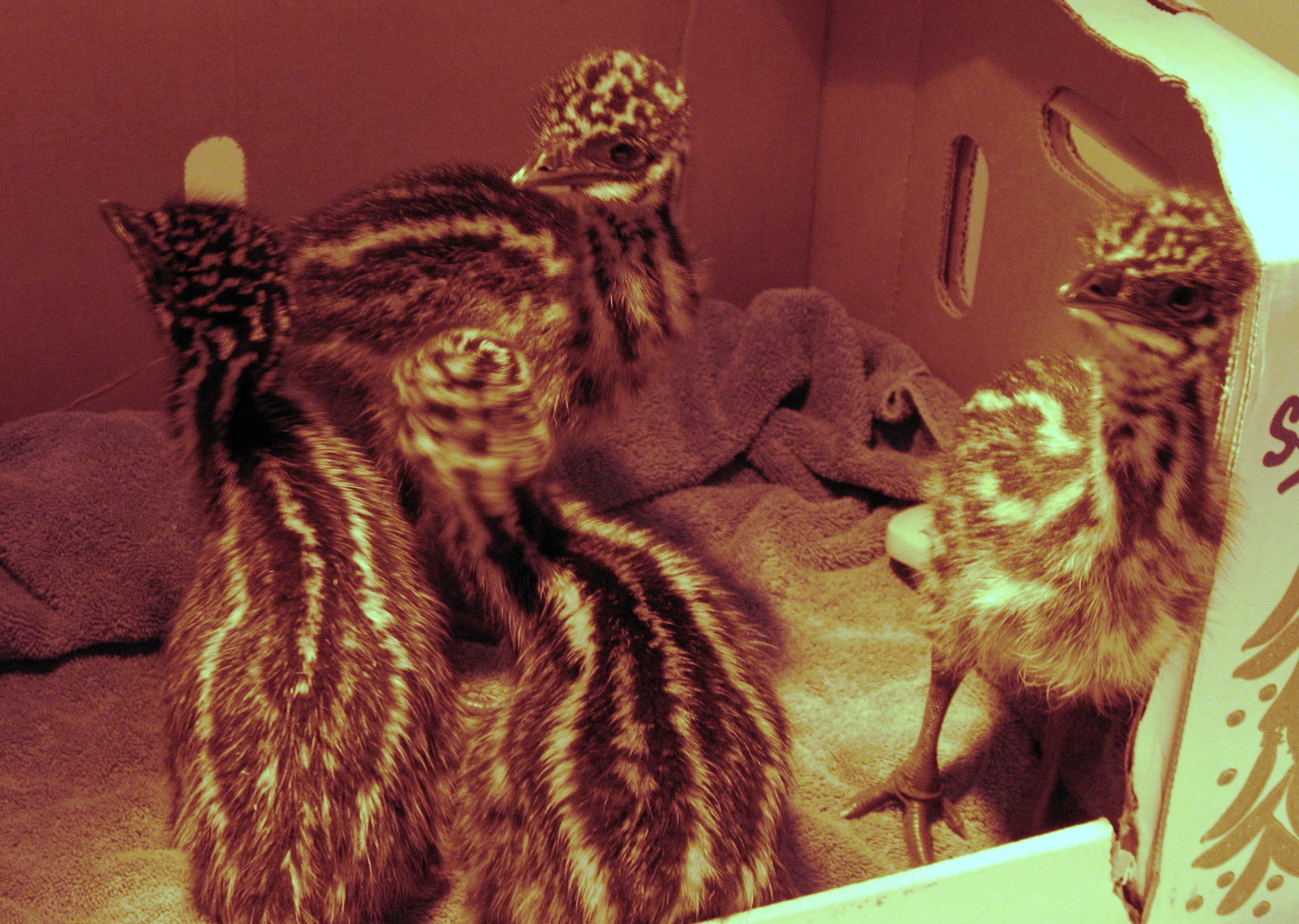
With all our attentions elsewhere, the emus have been on their own. Their job at this point is to eat and grow into full size emus. If I sleep in, their chirping reminds me in the morning that it’s time for emu kibble. I wonder how long they’ll keep the chirping. I’ll miss it when they stop. They continue to lose their baby feathers and their striped markings. Rick and I can tell them apart, but nobody else can.

Elmer would like to tag them somehow, maybe with anklets—to tell their gender in the future. I’m not sure what kind of identification system would work, and still let them grow. I look at their dad’s feet and there’s a lot of growing to be done yet. I think they have a few weeks, if not a month more with us, before they’ll head out to learn the sheep trade. In the meantime they’ve become quite territorial about the front yard—keeping the feral critters at bay. They chase the dairy trucks, from the safe side of the fence. I wonder if the drivers notice…and wonder.

They’ll make good guardians, unless the predators come bearing apple treats.

The Last Garden

A.V. Walters

It’s hot in the valley. And dry. This has been on odd year. We had heavy rains in November and December—with an absolute deluge the first week of January. And that was it. Winter is our rainy season, but this year, it wasn’t. After that, we had a few light rains and one storm in the spring. The local farmers are nervous. Over all, the state isn’t experiencing water shortages. There was a heavy snow-pack early this year, so the reservoirs are full, but those that depend on local, well water may be pumping dust by the end of summer.

The past two weeks they’ve been cutting hay. Sometimes, especially here, where we can have drenching fogs, the farmers can get two cuttings, in the spring. Last year it was cool and very foggy—so, we saw three hay harvests. This year, they’ve cut the first time, and it’s dry and yellow underneath. One cut is all they might harvest this year. That means when the summer heat hits, and all the grass goes, (first to gold, then to brown) they’ll be using up the limited hay supply for the dairy and beef herds.

Like I said, the reservoirs are full. Water managers around the state got their snow-pack early so there’s no hew and cry over it being a drought year. In an odd twist of fate, the cities have water, but reservoirs that supply them don’t help the farmers. And, they don’t recharge local aquifers on which the rural areas rely for well water.

Changes in our lives have us wondering how long we’ll be here. I’ve loved Two Rock, and it’s been good to me. But it’s time to move on to build a different future. (Maybe somewhere where there’s water!) So I wasn’t sure this year whether I should put in a garden.

I have been in charge of the farm garden for going on seven years. If we plant it—and have to leave—would someone step up, and care for it? This year was to be a banner year. Over the past few years, the main garden has been shaded by a line of trees Elmer planted to stop erosion from the dairy next door. If ever there was evidence that livestock can damage the land—the field next door is a clear example. The land drops two feet at the edge of our garden—right at the fence. The cows line up and watch me while I garden, and because of the drop we’re nearly at eye level as I bend to dig or weed. It’s a little weird. In any event, late last season Rick spent a couple of weekends pruning and topping that line of trees. This year the garden finally enjoys as much sun as it did when I first arrived.

Early in the spring I asked Elmer how he felt about putting in a farm garden. He hemmed and hawed and finally said we should. We discussed the dry winter and I said that this year we were ready with the drip irrigation. (Rick set it up last year and it was a huge relief in the workload.) I told Elmer I’d get to the garden once he’d plowed. Usually he plows in April, and then again in the first week of May. That digs under any weed seeds that might flourish in the fresh, loose soil. This year he didn’t plow. And, I waited.

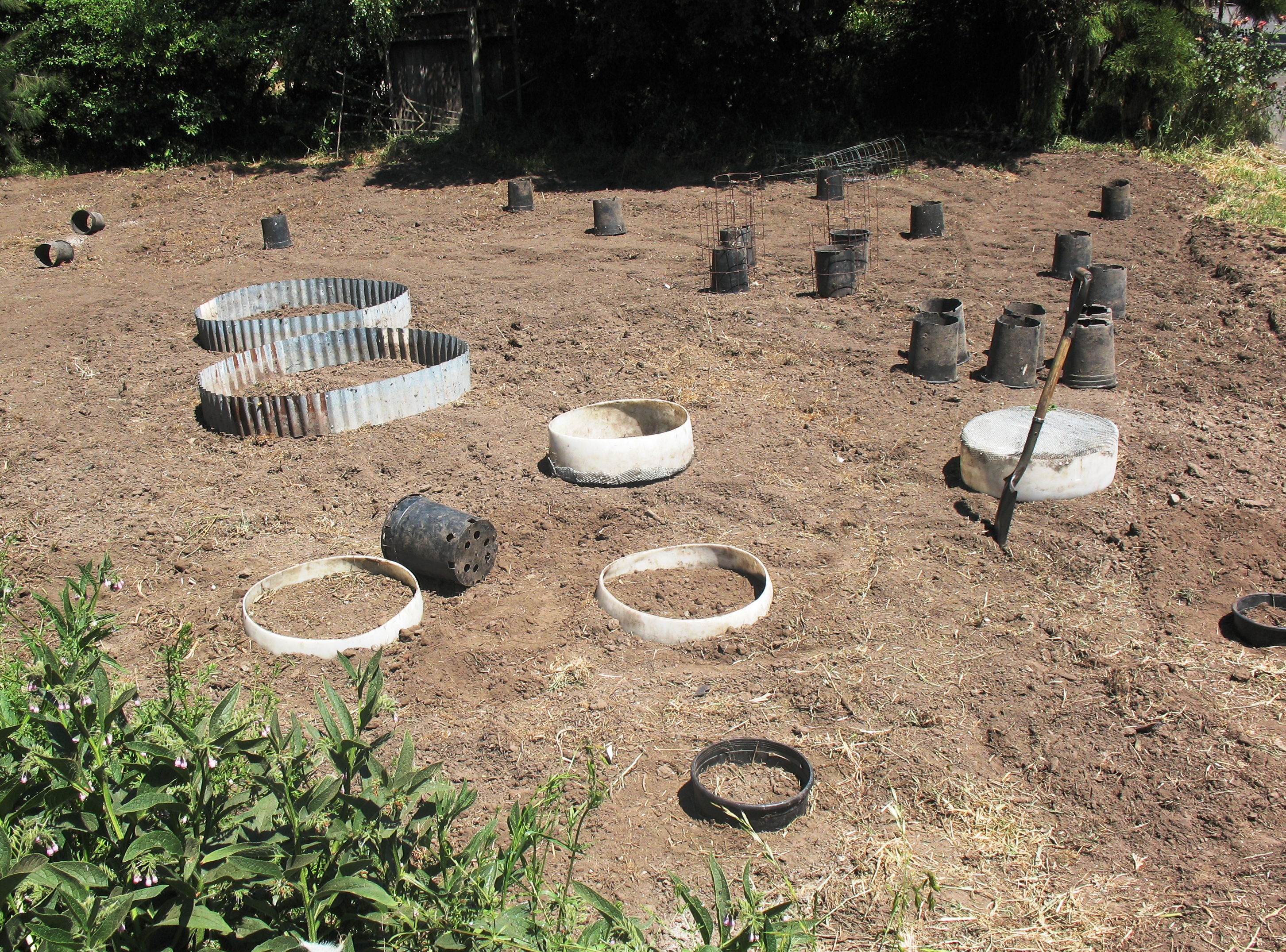
Finally, I figured he’d changed his mind. He did plow what we call the “orchard garden,” where he and his girlfriend plant their personal stuff, but he didn’t plow either the main garden or the long garden by the chicken barn. I saw that he’d plowed and tomatoes appeared by the orchard a couple of weeks ago. In the meantime, spring has rolled to summer. It’s hot and digging is getting difficult. With all this dryness, we are getting an early start on the hardpan layer in the soil. It’s a curse and a blessing, that hardpan. If you wait too long to put the garden in, the digging is near to impossible. But that same hardened layer keeps the soils underneath moist. If you water smart—you can do a garden with very little input. That’s the theory behind our bucket gardens. (See https://two-rock-chronicles.com/2012/07/04/the-proper-planting-of-buckets/)

Getting Ready

Getting Ready

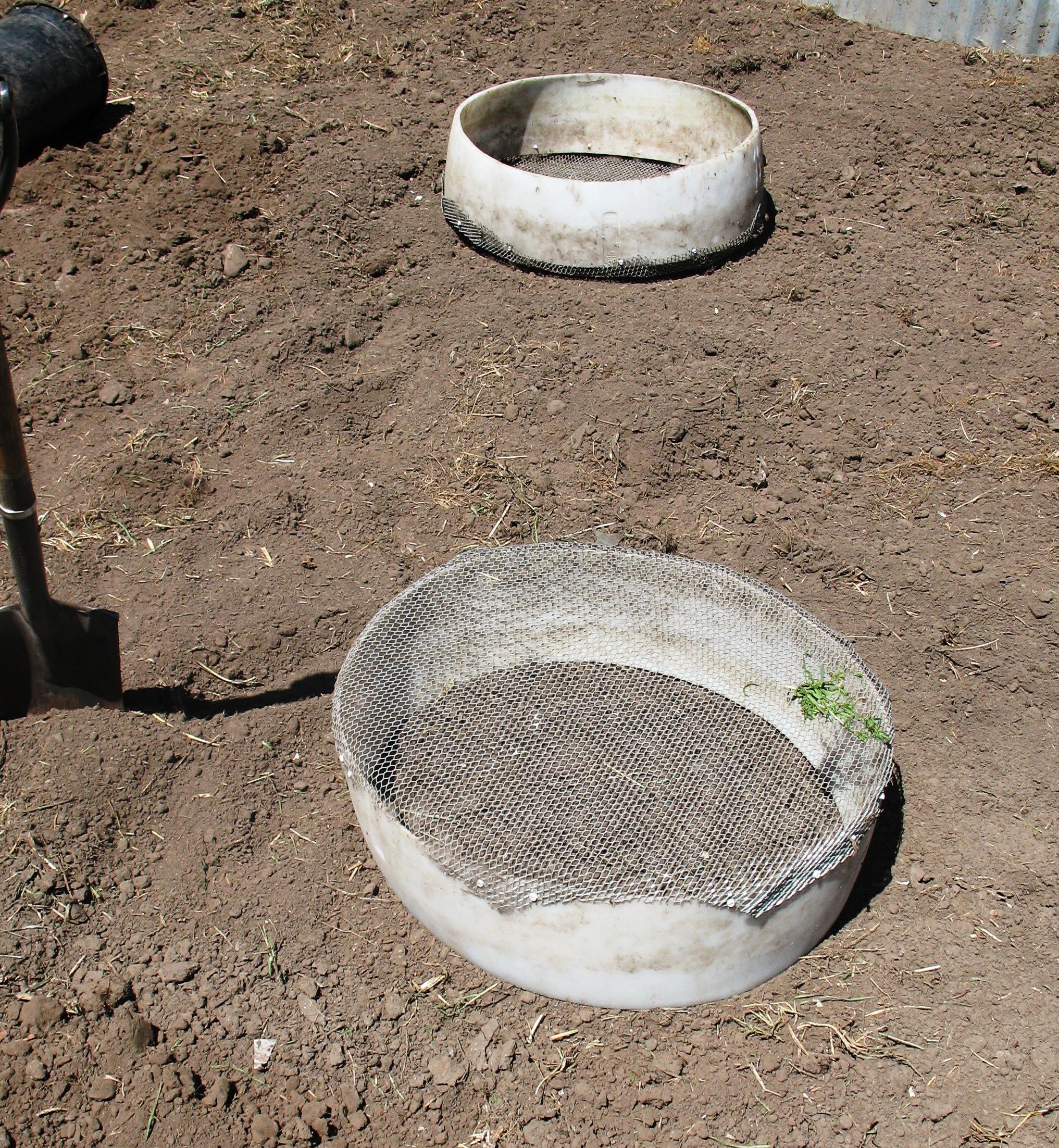
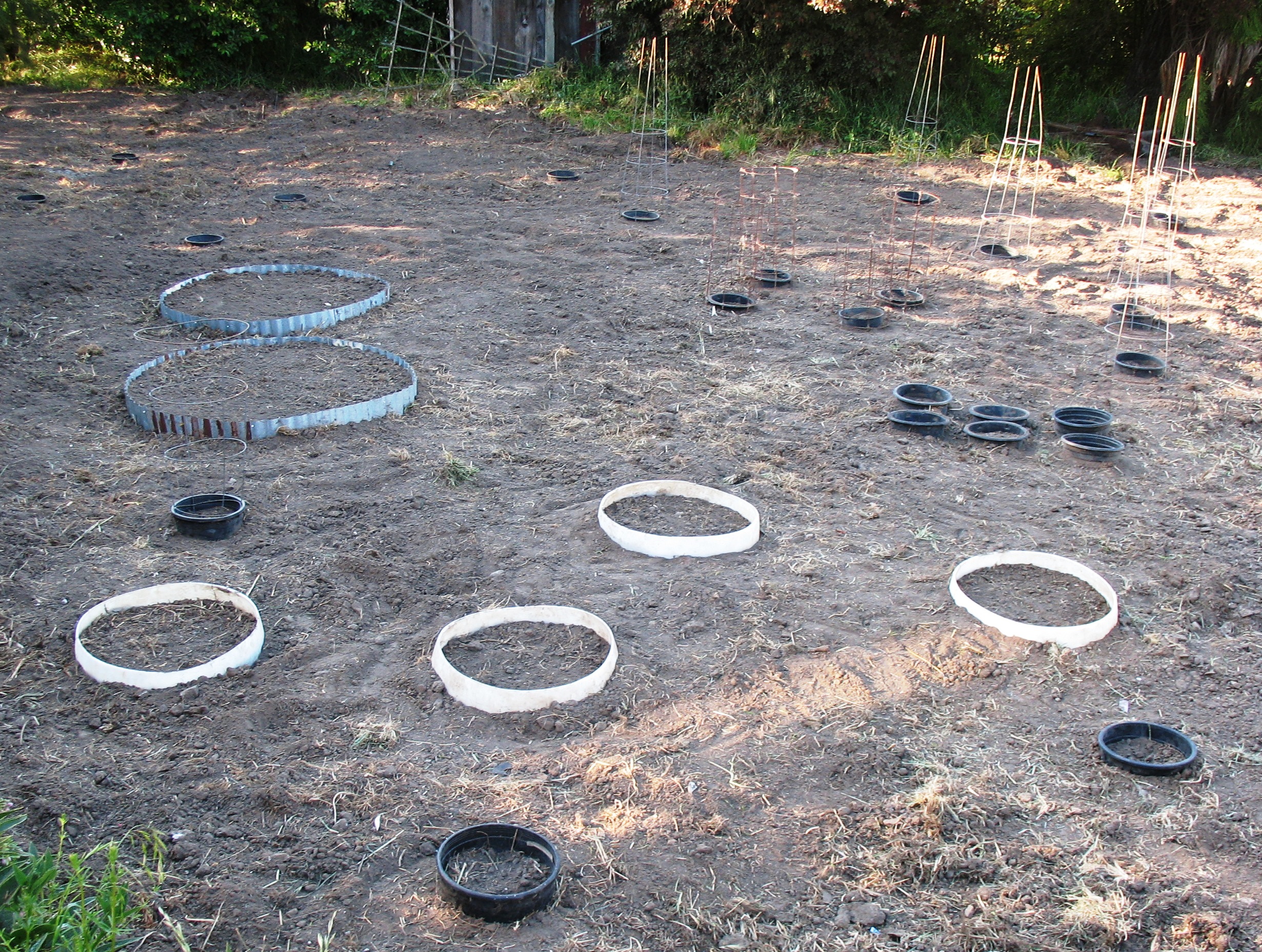
Without a word, Elmer plowed Friday night. Late. I woke up Saturday and realized that I needed to put in a garden. I’d already become accustomed to the idea of no garden, so this is an adjustment. The plow didn’t go deep enough to deal with the hardpan, so digging-in the buckets is a lot of work. If you don’t loosen the soil under the buckets, the roots won’t get beneath the hardpan into the moist earth below. So today I dug in enough buckets (and gopher-shielded rings and corn rings) for a modest garden. It’ll host eight tomato plants, half dozen peppers, four cucumbers, some zucchini and yellow crook-neck squash, a couple of winter squashes, beans, some lettuce, spinach and herbs, and corn. That’s enough for the farm tenants, since most don’t cook much and fewer avail themselves of the garden. I’ll plant with seeds and some starts, this week. I’m not planting the long garden this year.

Digging-in

Digging-in


Gopher proof rings

Gopher proof rings


I don’t know if we’ll be here for harvest. (But, we should be able to enjoy some of the early offerings.) With the drip system, the garden will trickle along, with or without Rick and me. It’ll be like a ghost garden. If that’s the case, I can only hope my farm neighbors will enjoy the harvest. (Assuming someone will water it, said The Little Red Hen.)

Ready for plants

Ready for plants

Bent

A.V. Walters

My sweetie, Rick, is in a funk. I understand; I was, last week. There’s very little I can do to help. You see, Rick and I are in the process of divorce. The situation is really bent. But I’ll have to back up a bit to explain.

Things are bent when circumstances can only make sense in the context of some larger idiocy. Rick and I find ourselves in the category that the New York Times calls “The Undivorced.”

Up until recently, we actually considered ourselves to be a happily married couple. You see we are happy. We are a couple. And we are married…just not to each other. Perhaps now, you’ll begin to understand. And that’s what’s bent about it, that it only makes sense in the larger picture of lunacy.

I left my marriage six years ago. I was suffocating and the only way I could find air was to leave. I left with almost nothing—I was so broken, so guilt-ridden by my failures, that I fled. It’s not like my ex was generous in the process. I have stories that would curl your ears. I found refuge in Two Rock, and have been here ever since.

Rick has a similar story. He, too, fled an unhappy union. He found a safe harbor in a little apartment near his home, so he could maintain relationships with his children. Three years ago, we found each other. It was dicey at first. We’re both a little roughed up, and battle shy. But we share common values and humor and… well, we both like Scrabble. Neither of us felt we were in a position to end our marriages.

I am self-employed. I didn’t pick the best of economies in which to launch my freedom flight. Married, I share in health care through my husband’s retirement. Those rights were earned during our marriage, and so long as I remain married, I have coverage. I also have a pre-existing condition. It’s not serious—I’m fine so long as I watch my diet, but it’s enough that I would not be able to procure health insurance, independently. So I’ve remained legally tethered. That’s bent. My husband didn’t mind—it’s put him in the catbird’s seat. So long as I needed health insurance, I couldn’t squawk about the fact that he’d kept all of the marital assets.

Rick is a cancer survivor, and self-employed. He also has kids, which meant that maintaining “the family unit” was important to the health insurance picture for his whole family. My pre-existing condition pales next to his, yet we both enjoy relatively good health. His business dried up in the bust of the housing bubble, and we’ve shared that it took every ounce of our combined ingenuity to make ends meet during tough times.

The much-heralded American health care reform means that, soon, insurers will not be able to discriminate against those with pre-existing conditions. While I’d much prefer a sane single-payer system, I can finally see a horizon where health coverage needn’t dictate my life choices. In January, I steeled myself, and filed for divorce. My ex is not happy that he’s finally being asked to share what we built together. He has a short admonition for why I should walk with nothing, “But you left.” As though that explains everything that happened in a failed, 28-year union. There’s acrimony and accusations and unreasonable demands. We both have lawyers. It’s a bit ugly, but it’s not surprising.

Unexpectedly, things changed in Rick’s family dynamic, too. He filed shortly after me. I don’t think he expected his ex to be as much of a jerk as mine but life provides many revelations. So we’re divorcing. Simultaneously.

In the long run, it’s a good thing. We’ll get through this. In fact, we can really empathize with each other—it’s common ground. Under the microscope, though, there’s an insanity to it. Lives should not revolve around some insurer’s definition of health, or family or coverage. As a nation, we’ve handed the reins of our lives over to corporations that care more about profits than about the services they render. Health care, eh? And that’s just totally bent.

NYT’s The Undivorced: http://www.nytimes.com/2010/08/01/fashion/01Undivorced.html?pagewanted=all&_r=0

The Spam Review

A.V. Walters

Does anyone else read their spam? I fully trust WordPress to save me from the horrors of the spam kingdom, but recently I took a renewed interest in the junk file. Something about my post, “Revealing” caught the attention of the spam-spiders. I have no idea why a post on art restoration (oops, maybe that’ll do it again) would garner so much spam. The overwhelming majority of the spam came from one vendor. I’d mention it by name, but then I’d just be giving it the very name-recognition attention it was seeking in the first place. I’m a firm believer in not rewarding bad behavior. I’m dying of curiosity as to what sly and secret algorithm garnered that flurry of electronic litter. So now I read the spam. I’m looking for some connection between the blog I write and the junk it attracts.

Perhaps the art restoration (there I go again) blog contained words leading one to believe that I was a high-end shopper and would be interested (oh-oh, here we go) in high-end leather goods or handbags or coats or men’s accessories. In truth, I’m not much of a consumer. My first-choice venue for shopping is Craigslist. Indeed, I confess, I am a Craigslist addict. In particular, I love to peruse the construction materials section. I know, it’s weird. I find it reassuring that used/recycled or mis-ordered materials are available, in case I ever need to (literally) rebuild my life. I once remodeled a kitchen (cabinets, appliances, fixtures and flooring) almost entirely from craigslist. That’s when the addiction started. Some people watch television, when I’m stressed, I scan the listings for unwanted construction materials. My sister suggested a particular microwave and I nodded and said I’d wait to see if one got listed. I’d completely forgotten that most people shop in stores. I saved a bundle on that kitchen. Mostly though, I avoided stores. That poor spammer is really barking up the wrong tree.

In my last post, I mentioned that a particular phrase was “ringing in my ears.” It was just a phrase, not a subject of discussion. My spam box filled with remedies for tinnitus. Actually I do have tinnitus, so it took me a minute to trace back to what I’d said that would lead to that advertising pitch. For just a second, I wondered what they knew about me. I don’t mean to be internet paranoid, but in fact, they are listening. My last book included a lot of Catholic references, and I did a good bit of research online. Now, I’m plagued with pop-up ads for Christian Singles. (Oh no! now what will the spammers do with me?) It’s a funny bit of cat and mouse, this. But I have the ultimate power–I press delete.


A job worth doing…

A.V. Walters

It’s ringing in my ears—I’m alternating between, “A job worth doing, is worth doing well,” and then there’s, “Lipstick on a pig.”

It’s always a challenge—matching the effort you put out with the task at hand. Arguably, one ought do their best, right? But what if the task is not that critical? What if “good enough” actually is?

We all know people who are so angst ridden about perfection that they can’t get anything done. Perfectionism can be a curse, one that often prevents some people from getting anything started in the first place. Anything! And, we all know the scourge of slap-dash. Personally, I hate undertaking something that comes on the heels of slap-dash, because it means you need to undo before you can get it moving in the right direction. Finding one’s way between the two extremes, and doing so in a way that’s appropriate to the task, is a lifelong balancing act.
My current project is refinishing an old oak bathroom vanity. It never was a “joy to behold,” just a serviceable, oak vanity, sold at home improvement stores all over the country when “golden oak” was the remodeling flavor du jour. Rick’s helping, too and I think he’s as torn as I am about it. It’s been stored in a barn for a decade or two, so the old finish is almost falling off. It’s a situation where the bad news is the good news. This finish is so bad that it’s easy to remove. We’ve just spent the day sanding. So I ask you—do we take it to perfection?

The vanity will be used in the home of a charming, senior couple who live happily on a fixed income. There’s nothing extra in their budget for big maintenance projects—they’re perfect candidates for the non-profit “fix-it” organization, Rebuilding Together, for which we volunteer. The vanity was an after-thought and is beyond the scope of the original project. So now, we’re scrounging and doing it as cheaply as we can. I searched Craigslist for a couple of weeks—unable to find a replacement cabinet in the size we needed and for what we wanted to spend. It has to be that size or we’ll have to redo the floor, too. Sigh. Anyway, after weeks of looking I finally found this vanity—not on Craigslist, but right under our noses, in one of Elmer’s barns! It was a hundred yards from us the whole time. It’s the perfect size and even matches the existing accessories and trim. Who knew?

I talked Elmer into donating it to the cause, and now we have to refinish it. We’ve sanded off what was left of the old finish and removed the water stains. Now we have to put the new finish on it. Just a coat of varnish?  Really, to do it right, we should first put on a coat of “golden oak” stain. Not only is that an extra step but, by staining it first, we risk revealing any problems in our sanding and bad areas in the neglected and abused wood. How far do you go to make something (that wasn’t wonderful in the first place) look as good as new?

Of course, we’ll stain it. I hate to say it, but we’re going to put in more time than the original manufacturer did making the damn thing.

But then, there was that moment, when it was clear we should replace the vanity. The wife looked anxious, she didn’t want to be any trouble, after all. Then she reached up to the seventies-vintage mirror/medicine cabinet (which has the ubiquitous “golden oak” finish) and said almost wistfully, “Maybe one that could match this?”

It’s no longer the style—that color. But the fact that it would be truly appreciated makes all the difference. So, we’ll stain and seal it, over the next few days. Then we can go back, install it, and finish the rest of the job.

Just needs the top.

Just needs the top.

Guylaine Claire Cover jpgec cover

Happy Mother’s Day everyone.

I’m newly enrolled in Amazon’s Kindle Select Program, which gives me the right to have 5 free giveaway days. In honor of Mother’s Day (but a tad late, because I’m figuring this stuff out) the Kindle e-version of my books will be available free, on Amazon, tomorrow May 13, 2013.

Check it out, The Emma Caites Way and The Gift of Guylaine Claire will be free Kindle downloads on Amazon. (The Emma Caites Way was the 2012 Bay Area Independent Publishers Association Literary Fiction Award winner!)

So if you’re a mom, had a mom, or ever knew a mom, enjoy. Of course, if you like them–don’t be shy about posting so, as an Amazon review. Thank you and have a great day.

A.V. Walters

Mum’s the Word
A.V. Walters
Mother’s Day is coming and it makes me think about my mom, and other moms who’ve had an impact on the way I think. I was blessed with a truly great mother. She was, and remains, interested in everything, creative, opinionated, charming, indulgent and still disciplined. She hung out with the greatest bunch of friends, mostly women, who were raucous and fun. My mother is a potter and so we found ourselves growing up at the edge of the world of creativity and craft and, on a good day, art. (We didn’t want to get snooty, after all.)
But mothers (and women) come in different stripes. It took me a little longer to open my eyes and appreciate all the things they had to offer. I had a boyfriend in college, Lionel. One weekend we went to visit his parents and to help a friend hang a gallery show near their home in Toronto. I was nervous, meeting the parents, and all. I needn’t have been. First, and it was the weirdest thing, his mom was the spitting image of my mom. They could have been sisters! I immediately felt comfortable with her and, I think, she with me.
Lionel had regaled me with stories of what a great cook she was, yet he couldn’t make toast. When it was time for dinner, I was not too surprised that the men-folk retired to the den while mom was left to do the cooking, alone. She closed the door to the kitchen. I joined her and offered to help. She assigned me to make a salad–and then she closed the kitchen door. The kitchen was stuffy and hot, so I asked why she kept the door closed.
She laughed, “Oh, habit, I guess,” taking a stick of butter out of the fridge, “They think I keep kosher.” She smiled.
During dinner (and it was great), she asked Lionel if he’d be back the next weekend for his cousin, Marsha’s wedding. From his response, it was obvious that he’d completely forgotten about it. He asked who she was marrying! His mother rolled her eyes.
“She’s marrying David! She’s only been dating him since high school, where have you been?”
Between bites, he responded, “David? No, he’s such a dweeb. She can’t marry him.”
Lionel’s mother paused a long moment before she answered, “Well, your cousin’s no prize either.”
Lionel almost choked on his dinner. That ended that conversation. I learned that different families communicate in different ways. I’d observed a push-pull in candor that was different in my family–but clearly worked for them. Lionel and I broke up shortly afterwards. I’ve never given him much thought over the years, but I think about his mother, frequently.
Happy Mother’s Day out there, to everyone in all their wonderful and different ways.

And now… on Kindle…

A.V. Walters

I attended a business conference this week. Most of the presentations were dry as dust, except for one woman, who is an expert on the psychology of purchasing behaviors. From a larger, societal, perspective, what she was saying gives me the shivers. She studies people and their shopping behaviors, which are increasingly happening on-line. There is an ever-increasing shortness of attention span, nowadays, (hello, are you still with me?) that can take your breath away—in a nanosecond kind of interval. She analyzed the time spent researching (reading other customer reviews or perusing manufacturer’s sites) and how long it takes to complete the purchase-cycle. Once a decision has been made, people react in a split-second. The difference between a sale and losing a customer’s attention can literally be a question of how few clicks it takes. Too many clicks, or too much text… and you’ve lost them. Alas.

This is particularly surprising when the product is a book. Consumers who cannot instantly obtain the book they want will be drawn and diverted by “People who purchased this item also purchased that item”—and off they go! In a product that will take them hours to read, and from which they should derive many more hours enjoyment and contemplation, they’ll change their minds (or simply lose interest) if they cannot have it… now!

She reported that Amazon knows this, and designs it into their interface. Amazon now sells more books than any other outlet in this country. Industry pundits claim that in a few scant years, Amazon will be the biggest retailer in the world. And, we’re not just talking books, either—Amazon sells everything.

I guess I’m old fashioned. Apparently, I frequently stand in my own way—the only thing between me and success is… well, me. My books are on Amazon. I’m a POD (print on demand) author, so Amazon is the best distribution vehicle for the small or self publisher.  But I have never listed my e-books with Amazon. I’ve been loyal to smashwords.com.  Something about its counter-culture approach has always appealed to me. And, I’ve been offended by the war of the Goliaths—the major players in the publishing industry who seek to turn authors into “content providers.” I see the squeeze between retailers and publishers and note that more often than not, the losers in that battle are the authors.

I know that the publishing world is in flux. It is both a curse and an opportunity for authors. Caught in the new age of information, the old stuffy publishing houses have pulled in, more than ever. They are reticent to take a risk on new talent. The only sure-fire books these days are celebrity tell-alls, diet books, or Clancy-type thrillers. Oh, yeah, and anything with vampires.  Literature is lost in the mix. And yet, in the corners of the maelstrom, good books are peeking out. There is a chance that an elegant or beautiful story can find its audience. Oh yes, your story has a chance, if it can find its nanosecond.

And so, I announce that my books are now available as e-books on Amazon for its Kindle readers. For the moment, I have stopped tilting at windmills and will go with the mainstream (read–tsunami.) My sister loves her Kindle. She reminds me of this, all the time. I see it in the grocery store, people reading in line. The marketing experts tell us that gum, candy and tabloid purchases are down, because folks in the queue are busy with their smartphones. The impulse purchase has moved online. And now, for better or worse, so have I.

So, if you have a nanosecond or two, check them out—The Emma Caites Way and The Gift of Guylaine Claire—now available, instantaneously, at an on-line retailer near you.


Beware of Emus!

Emus and The Great Outdoors

A.V. Walters

I have a friend who, when her last kid headed off to college, remodeled the newly vacant bedroom, making a sewing and project room for herself. After twenty-two years of putting every one else first, the house, and her life, underwent extensive renovation. It was a shock to the kid when Thanksgiving rolled around, and the room had been, as the French put it, “repurposed.”

Last weekend we came home from a grueling day of volunteering on a day that had started out nippy, but quickly warmed to blistering. The night was clear and warm, and the emus had spent the long day outside. I went into their little bathroom retreat to do the daily clean up before letting them in for the night. Needless to say, it was, as usual, filthy. We looked out at our frolicking prehistoric birds and decided it was time. I fed them outdoors, an odd ritual because they’re grazers. Outside they are surrounded by food, but it made me feel better to give them their kibble. They haven’t been inside, since.

Her neck has lost almost all markings

Her neck has lost almost all markings

Emus and The Great Outdoors

He still has his baby speckles

I spent a full day cleaning out their room. Rick vacuumed and mopped areas where they’d been and I washed out everything from the back entry clear through to the front door. Emus, no more! The final act was to take the sign down from the bathroom door. It was liberating to return the house to mammal-only occupation. I’m glad we did it, and we’d do it again, just not inside!

The emus seem very happy in the front yard. It’s a big area, and a perfect emu training ground for the open pastures with the sheep. Outside, they look smaller but every now and then I note the changes. (The effect is exaggerated because we haven’t weed-whacked since the birds have been out front.) Their heads can easily reach my waist (and curiously, pluck my neatly tucked-in shirt from my jeans.) Initially they cowered in fear at any new thing. Now, when the loud and lumbering dairy truck goes by, they chase it along the fence, as though their patrol activities had actually run it off. Yesterday a feral cat jumped over the fence and, with apparent glee, the emus gave chase. Nothing in that cat’s experience had prepared it for the charging birds. A possible dinner had now turned into two, possible diners! From the birds’ perspective, they’ve been hanging with cats for their whole lives, but none had ever been game enough to give them a real run for their money. Our cats are smarter than that. (Well, and a little intimidated.)

He goes into the emu roll!

He goes into the emu roll!

The emus still like to hang out with us humans. I sit and drink my morning coffee on the front steps. I give them kibble morning and evening, though they could really survive only on the greens out front. They hover, looking for treats, a stroke on the neck, or gently pecking at any speck or spot on our clothes. It’s emu grooming—I guess it means we’re family. They like to tug softly on the ends of my hair. They are particularly fond of pecking at the contrasting wrist-bands on one of Rick’s shirts. The other day one caught a glitter and, in a flash, snatched one of my earrings! Thank god it didn’t taste very good and she spat it right back out. I’d hate to consider the alternative retrieval methods.

Scruffy!

Scruffy!

These days, the emus are looking teenage-scruffy. They’re losing their baby feathers (and with them, the markings by which we’ve identified them.) Underneath we can glimpse the sleek dark feathers to come. As chicks they looked like Scandinavian rugs but now, they look a little moth-eaten. We can still tell them apart, though. The presumed female has gotten much larger. More than that, they have distinct personalities. The female is more assertive, while the presumed male is reserved and gentle. He eats constantly, a nibble here, a nibble there, and barely touches my hand when I give him treats. But, she wolfs down her food! (Just like her mother!) So much so, that sometimes she needs to go and get a drink of water to wash the bolus of kibble down that long neck. Our gender assumptions are based, in large part, on the personality traits of the emu gender reversal. We shall see, well down the road, if we are right.

The following is an article written by guest writer TRESSA S. EDWARDS, daughter of our intrepid editor. Originally published in her high school newsletter, Tressa has given us permission to post her article. Though the content is not typical for Two Rock Chronicles, we feel Tressa’s voice deserves to be heard, and look forward to her future contributions to the blog and to Two Rock Publishing.

New Hope in the Battle Against AIDS/HIV

Tressa S. Edwards

For the last 32 years, AIDS has been a somewhat mysterious disease, killing off nearly 30 million people since its discovery.

On June 5th, 1981, American Epidemiologists reported that five previously healthy men in LA had become ill. Two of them died, becoming the first lives claimed by a then unidentified virus. Now, over 33 million people are infected with the same virus that causes AIDS. Though there is now a name for it, a cure hasn’t yet been discovered. Or has it?

In 2007, a man known as the ‘Berlin Patient’ was cured of HIV, the virus that leads to AIDS. His name is Timothy Ray Brown and, at the time, was the only person on record to be cured of HIV. He received a life-saving (in more ways than one) bone marrow transplant for Leukemia. Found in the bone marrow was a gene mutation which made the newly produced white-blood cells resistant to infection while playing host to the HIV virus. Though he was lucky, not everyone can have that same opportunity. Aside from being incredibly painful, bone marrow transplants can be fatal or have severe side-effects. This rules them out as both practical and as a cure.

Recently, however, there was a baby who was cured of HIV. She was born to an unknowingly HIV-positive woman in rural Mississippi. Just 30 hours after she was born, her bloodstream was tainted with signs of the virus. She was indeed HIV positive, having most likely contracted the disease in the womb. After confirming her status as HIV-positive, she was transferred to the University of Mississippi Medical Center and given her first dose of AIDS medicine. Within a week, the viral load was almost undetectable. She was then continually treated for the next 18 months, until the mother disappeared with her child. She re-appeared some time later, telling doctors that she had not given her child her medication in over 5 months. The doctors assumed that the virus would have continued to replicate, and start to deteriorate the child’s immune system. However, they ran tests and found her to be HIV negative. After checking and rechecking the results, the young girl was deemed ‘cured’ by researchers at the University of Massachusetts, as well as John’s Hopkins. She is now 2 1/2 years old, and still HIV free.

So what does this mean for a cure? It means that those at risk of being born with HIV, as well as those already born with HIV, are given a possible chance to remove the virus from their systems. Though there are preventative measures already available for mothers who could potentially pass on the virus, they are not always effective. Instead of simply giving people a way to potentially prevent the disease from being passed on, there may be a way to now ensure that even if it is transferred, it doesn’t have to claim more lives. Scientists and researches along with doctors are figuring out ways to measure the proper dosage, and length of time which newborns need to be given the standard AIDS medicine for it to effectively remove the virus from their systems. Let us hope they find a way soon. In the mean time, we must remain proactive and aware.


Revealing

A.V. Walters

Skov painting

After almost a decade of owning it, I finally cleaned a painting today. I haven’t done that in a while, but once you learn the technique, you’ve got it. The painting needed cleaning the whole time but I was afraid. Sometimes you buy a painting, liking the muted hues you see, only to clean it and find it garish, or not just right anymore. I wish I’d taken a “before” picture. This painting has a lot of pinks in the sky and I was concerned that, cleaned, they’d overtake the canvas. I needn’t have worried. Even ninety years ago, the artist had more sense than that.

If you read The Emma Caites Way, you’ll see that art restoration is actually a part of my background. It’s an interesting way to learn more about art. I’m taken with the plein air paintings of the Arts & Crafts period. I like how the artist, on the fly, can suggest light and space with a few deft strokes, or even just a well-informed line or a perfectly placed splash of color.

Generally cleaning a painting brightens it and more clearly reveals the artist’s original intent. It removes accumulated oils, dirt and smoke residue, helping to protect the canvas over the long haul. In the process you become almost intimate with the work. You have to work within the artist’s original brush strokes, gently wiping clean the grooves left by the bristles in his brush. If you work the surface too hard—or scrub—you can damage the original paint. The work is painstaking. When you’re satisfied that you’ve done as much as you can (or as much as the canvas will endure) you protect it with a thin layer of conservation varnish. By the time you finish, you really know the painting.

This Danish painting is from 1923, apparently painted in Tuscany—I don’t think there are olive trees in Denmark. The artist, Marius Skov, is a “listed” Danish artist, meaning that he was recognized in his time. The cleaning lifted nearly a century of grime and funk from his canvas. It’s brighter and clearer than I would have guessed. Indeed there’s a roadway (or maybe a river) in the foreground that I never saw before. It’s a surprise.

With a good cleaning, you expect to see more features in the bright areas. What surprises me is how much new detail is revealed in the shadows. The trees in the center, once just a blob of dark green, now reveal new colors and brushstrokes that weren’t visible before. And now the countryside is dotted with neighboring villas and farm buildings, previously lost in the haze. Even the distant hills undulate in new distinct shades of blue and purple.

Once, years ago, I cleaned a painting of a waterfall and pond, and found that it’d been partially painted over–a figure, a man fly-fishing, had been painted out, covered with bushes and shrubs to convert the painting to an elegant and simple landscape. Some research on the artist showed that his specialty was paintings of fishermen. The part of the painting that made it the most valuable as an example of this artist’s work had been obscured. Worse yet, the owner of the painting had liked it as a landscape and was disappointed by the appearance of this new interloper. I was torn–how was I to be faithful to the intent of the original artist and satisfy the owner?

It makes me think about writing. It’s easy to move the plot along “in the light,” to reveal the obvious. It’s another thing entirely to look into the dark parts of the story and to reveal the texture that informs how things go wrong. It might be enough to let your readers know that a character has done something vile, or selfish. Yet, the story is more telling if we can see the brushstrokes in that life that consummate in that act. I need to remember to look hard at both the light and the dark in my writing. (And the painting turned out okay, too.)


Mr. Emu  (Dad)

Mr. Emu (Dad)

Sometimes I’ll look at my stats and see that someone has found my blog based on a particular search. Maybe I know the answer–but it isn’t really clear in my blog postings. Then I feel like I’ve let that searcher down. This morning there was a search “baby emu falls down, rolls and gets back up.” Where are you searcher? I imagine that you’re expressing concern about your baby emu, that maybe you think there’s some terrible neurological problem. Fear not! Come back, come back. I have the answer. Your baby emu is playing! Yes, that’s right, we call it the emu dance.

Have you ever noticed that when creatures play (including us) they mimic adult behaviors (behaviours if you’re a Brit or former colonial)? Kids build forts or play house. Kittens roll and tussle–chase things and pounce. Emus dance. After all, without arms there’s not a lot of variety in the play department. That “drop, roll, and run” is a prelude to an emu courting dance. If your baby emus is doing it, it means she/he is happy. They are playing in the only way an emu knows how. (Often, immediately afterward they’ll race around at high speeds–running is another emu talent used in play.) The really fun part is that sometimes, they’ll do it to music! It’s a sight to behold. They love music, especially if the music has whistling sounds or flute solos–high notes that sound like Papa emu’s whistling tones. Also, if you can whistle, it a great way to summon your emu, because they are already pre-wired for that sound.

I hope that emu questioner comes back–there’s no need to worry. (Next time, think about posing a question in the comments area.)


Now, for the meantime, I’m back to my volunteer work.


It’s that time of year again…that time when we roll up our sleeves to volunteer as amateur builders (well, I’m an amateur, but Rick’s a pro) and spend a couple of weekends fixing up the homes of seniors and those on fixed incomes, so that they can remain comfortably in their homes. Rick and I are House Captains on a big project this year–so for the next week or so, there may be scant activity on the blog. Bear with us and our aching muscles. We have an entire yard to transform, two porches to rebuild, a bathroom to remodel. wiring to upgrade, a chicken coop to build, a garden to put in, fences all the way around….it will be transformative for all. But don’t worry, it’s not just us. This organization (Rebuilding Together) recruits a zillion volunteers for the ‘big day.’ Our project alone will probably have 40 volunteers who show up, work gloves in hand, ready to pitch in. (And we’ll need them.) On a large project like this, one day isn’t enough, so Saturday we met with 15 volunteers to set the fence posts. We cleaned up a lot and cut down some out-of-control trees (so there can be sunlight in the garden.) One of our volunteers yesterday was 83! (He’s worked on several of our projects and he works so hard he puts the kids to shame.)

This week is planning and logistics. Then, next Saturday our army of fresh-faced, muscle-flexing, angels will descend on the site and, by days end, our exhausted crew will go home with amazing images of before and after dancing in their heads. It’s incredible what you can achieve with good will, doughnuts and coffee! See you soon when things are under control and Rick and I can return to our own dreams of building a future.

Don’t worry about the emus–they’re thigh high now and spending their days munching away on the greens in my front yard.

They Grow-up So Fast

A.V. Walters

When the two baby emus made their run for it, we realized that the small pen in the back yard was too small. Still, they could have said something, instead of just making a jail break and heading out for the highway. A growing emu needs room to stretch its legs. (And, we can appreciate that, because if there’s one thing a emu has, it’s legs.) There’s a balance; too little space and they get bored and nervous, too big a space and they are intimidated and cower in a corner.

IMG_0750

IMG_0740

So, with the help of some folding pen-panels from Elmer, we secured the front yard.  Now they have a forty by eighty foot area with trees and bushes, and grass almost as tall as they are—enough for any growing emu. They seem mollified and haven’t made any further escape efforts. (Not that we’re giving them much opportunity.) They roam about eating the greenery, and have decided on a favorite corner for their hangout. The new digs won’t eliminate fence running (that’s an emu fact-of-life) but it has stopped the neurotic pacing. Also, the emus seem very much in tune with the sounds of our voices (even when we’re inside the house) and that appears to give them some reassurance that they are not alone and unprotected. (I know, I’m anthropomorphizing again, and being an overly vigilant parent, but when I talk on the phone, in my office, they gather at the steps outside and munch away quietly. If I move to the living room, they munch away under the window, there.)

Huh?

Huh?

It’s still too cold at night for a complete outdoor lifestyle, though that’s coming soon. It might have happened this week, but I’ve been down with a bug. When I’ve got chills and fevers I’m less inclined to banish the babies to the elements. Now that they’re in the front yard—we need to parade them through the house, morning and evening to get them to their little emu warming station in the back bath for the night. It’s quite a production—much emu cheerleading banter—to get their enthusiasm up—followed by a mad dash to the destination (front door or back bath.) The emus will follow you if you walk fast or run. But they’re not smart. If they’re distracted along the way they’ll forget the objective and then wander around the house, which, given their messy proclivities, is not a good thing. Rick is much better at it than I am. They really get that cheerleading vibe from him and follow at a clip. I spend more time in emu roundup mode, rather than leading.

IMG_0728

They are destination happy. Once outside, they barrel around in circles at full speed.  And, full speed is impressive. Their legs have grown and they can really move. Standing around, they’re knee-high, but when they do their happy dance, they come up to mid-thigh. An adult emu can run 30 miles per hour. I haven’t clocked these little guys, but they outrun us.  The “lawn” is hip-high on them (shin-high on us) and, running, they look like they’re speed-swimming on a sea of green. All this cavorting and dancing I take as a sign of healthy, happy emus. In the evening, they’re eager to come back in and canter after us to settle in under their heat lamp to relax after a long day of emu vigilance.

IMG_0724

Most of their food now comes from grazing, putting a welcome end to the endless chopping of their early days. We still give them apples, as treats. It pays to have something they want, to get their attention. At some point we’ll have to move these guys to the pastures, where the sheep are—and we’ll probably need those treats as bait. There’s a tension to how much we handle them. There is one kind of contact they tolerate and, if they’re relaxed, actually seem to enjoy—they like having the front of their necks stroked. (We’re suspecting that neck contact is important to them. If the chicks are nervous, they’ll pace and crisscross each other with their necks. Also, the few times an adult emu has displayed what might be considered affection, it “caressed” with its neck.) But, we have to remember they are not pets. They need to develop a tolerance to human contact without making them dependent, so “training” is not an option. (Besides, they’re not that bright—think of the term ‘bird brain’ in the context of a 150 pound, flightless locomotive.) Still, it’s fun and gratifying to step out on the front porch and immediately have two emus hurtling in your direction to see what fun or treats are in store (and because they like to be near us.) In fact, I think I’ll go check on them, right now.

Apple treats, anyone?

Home Again, Home Again, Jiggity-Jig

R.R. Edwards

I had just turned onto our road, after a trip into town, and about half way down the half-mile stretch to the house, I spotted a couple of odd creatures standing in the road. As I got nearer, it became obvious that they were, in fact, some kind of bird. At first I thought they might be a couple of escaped chickens and, as I got closer I saw that, in fact, these were escaped birds. But, to my amazement, these weren’t chickens making a break for it—they were our adopted emu chicks, on the loose and halfway to the highway! The last time I’d seen them, they were in the yard, running around the enclosure we’d set up for them.

For a few seconds I just sat there, a bit stunned and unsure what my next move should be. They stood there, staring back, just as unsure about their next move. When I inched the car forward, the chicks answered the question for me—they started heading back down the road in order to put distance between themselves and the mysterious, iron beast that had blocked their path.  So, following their lead, I began my very own, emu round-up, behind the wheel of my trusty steed.

The emus were surprisingly “cooperative”—they kept scooting along at a relatively brisk pace and, only once, did one of them threaten to take off, across an adjacent pasture by squeezing through the fence. Fortunately, he kept moving in the right direction and, when the fence ahead of him ran out, popped back out, onto the road. When we arrived where the road split, (straight, the road took you to the neighboring dairy, and to the right was our place) I managed to steer them in the right direction. Now that we’d arrived at the house, the next trick was going to be getting them either back into their pen, or into the house.

At this point I had to hope that “Mother Nature” (in a twisted sort of way) would take over, and that the chicks’ bond to me was strong enough to overcome their confused and somewhat panicked state. I got out of the car and slowly approached our feathered charges, afraid that all my work would be for naught, and that they would bolt. But, as soon as I called to them, their little heads spun around and they came running up to me, cheeping away. They were clearly thrilled to have been found by a “parent” and would have happily followed me, anywhere. Since it was lightly raining, and they looked a little soaked from their adventure, I led them inside where they could huddle under the heat lamp to dry out.

After telling AV, “Guess what who I saw standing in the road,” I realized how lucky we were, in so many ways. Once they got out of their pen, they could have headed in any direction. We’re surrounded by miles of open pasture, and once out there, they would have been next to impossible to find. The fact that they’re “fence runners” kept them on the road, between fences, but they had covered a quarter-mile, in a relatively short amount of time, and had I been back much later, they might have made it to the main road and hitched a ride to just about anywhere. Or, when confronted by me on the road, they could have “flipped me the bird,” and taken off in any direction. (And, these little guys, at the tender age of 1-month, can out run me!) All kidding aside, we lucked out that our little birds are home safe. I would have assumed that, once out of their pen, they would have stayed around the house, looking for us or a way back inside. But like most youngsters the thrill of adventure dulled their sense of self-preservation, and down the road they happily trotted. Clearly, the trials and tribulations of parenting (and youth) are universal.


Digital Pickpockets

They say that you should check now and then. I didn’t really believe it, but, because they say you should, from time to time I do a Google search on my own book titles. Really, to be extra careful, one ought to Google a section of text, which might be a better test.

So it’s the end of the month and I ran through the Smashwords standard SEO search on both The Emma Caites Way and The Gift of Guylaine Claire. I didn’t expect to find anything unusual, just the routine references to my blog and the on-line booksellers who carry the books. In all honesty, it’s a rote thing; I’m not even sure what I’m looking for.

And then, there it was! An on-line retailer (who, until this is fully resolved, shall remain nameless) that was listing The Emma Caites Way for download as a PDF. Looking closer it gave the online “handle” for the individual who “shared” it, and that person was not me. Somebody was actually stealing my book and making it available for online download. Can you say copyright? A few more clicks confirmed my suspicions. I don’t know whether to be outraged or flattered.

It wasn’t even a very sophisticated theft. The Emma Caites Way is a particularly distinctive title. I did that on purpose. They didn’t change it—I guess because that way they ride my negligible marketing coattails. Nor did they remove my name from the PDF (a not impossible task.) One has to wonder how this can pay. I’m a pretty small-scale target, a self-published author with only a couple of books. That leads to the inescapable conclusion that they didn’t select me specifically. It’s no measure of the quality of the product. To make such a violation financially viable, this character would have to hit many, many authors and let the numbers do their work.

This must be pretty common. The website has a message to copyright holders who contend that their work has been illegally listed. There’s a form you fill out, the DMCA Complaint Form. (Digital Millennium Copyright Act) I guess that with this kind of theft so common, one needs to streamline the process. That’s another argument that this is about the numbers, not about someone who picked me, because of the content and quality of my work. I suppose it’s an argument against smashwords free downloads, but I hate to restrict that as a marketing option for a new author.

I filled out the form and submitted it. Someone on the other end will look at the information and no doubt delete the pirated listing for my “document.” And that will be that. There was a time when theft of copyright was at least a compliment.

Heads up out there. It’s probably not about the dollars and sense of it, but you do need to watch your back. Constant diligence, in this, and in everything.

Easter Emus

A.V. Walters

It’d be quite a joke, wouldn’t it, to give someone an emu chick for Easter? Precious and cute and the size of a teacup, they’d have no idea what was coming. It’s Easter and our two remaining chicks are a month old. They’re the size of small geese. Cleaning up after them is quite a chore.

The good news is that they are gaining body mass at an amazing rate and soon they’ll be fully outdoor birds. Already they spend the bulk of their daytime hours outside in a kennel enclosure. They’d much prefer if we spent the day out there with them, but, after an initial panic, they settle in and spend their days munching on grass and doing the emu dance. At this point they’re too big to be prey for hawks, so I can relax, go inside and get some work done. We know that in the wilds, they’d be out and about already, but we are protective guardians and want them to be fox-proof before we put them out in the pasture.

Since they get so upset if we pick them up, this week we’ve reverted to herding them. Their first trip down the nine steps to the back yard was quite an adventure (it looked like emu snowboarding) but now they take the steps like pros—nothing to get excited about, just out for a stroll. We still run them in the kitchen at night (and give them apple treats.) Mostly I continue this because it’s so fun to see Rick do the “excite the emus” run. He’s raised kids, so he knows the universal language of baby talk. It is universal—even emus respond. I can’t tell who’s more adorable, the emus, or Rick with the emus.

For a few weeks we lined the interior of their little tiled room with newspapers. Not only was that a messy affair, but we don’t take a paper. We are fully digital in the news department. At first Elmer provided some, but country folk are stingy with their newsprint. Everybody uses newspaper to start their woodstove fires. When I found myself snitching the free papers from the stands in town—well, something had to be done. I’d started rating them by their absorbance—not the measure of print-worthiness to which most writers aspire.

Rick solved the problem. He bought a roll of heavy craft paper and cut numerous templates of the floor—emu carpet. Now I pick up—and then every couple of days just roll a layer off and dispose of it. Like I said in an earlier post, Kids, don’t try this at home.

And that emu dance! It’s quite a sight now that these guys are thigh high. (It’s even more impressive with the adults, because, as you might have guessed, this dance is the early training for emu courtship.) I know that we have happy emus when they do the emu kicking roll, dance steps and then hurtle around the enclosure at breakneck speeds. (I’m really understanding that expression, now.) I’m hoping for rain today because the emus love water, and I’ve heard that they dance in the rain.


Pictures later


Country Fresh

A.V. Walters

Even while I lived in the city, I hung onto my rural roots. I gardened and produced most of my summer fare from a postage stamp-sized back yard. I canned jams from the plum tree, and I hung my laundry out in the sun, to dry. So, it should come as no surprise that, when I moved to the farm, not only would I want to continue these patterns, but there’d be some room for expansion. But when I explained my plans to Elmer, he seemed a bit alarmed. Not at the gardening, that made perfect sense. And, like a lot of country folk, he fully supports canning. The problem arose when I asked Elmer to put up a clothesline, of all things!

He squirmed at the notion, “Why the heck would you want to do something like that?” I was ready with my environmentally friendly, power-of-the-sun, low-carbon-footprint, Pollyanna diatribe.

“Well, we have a lot of wind, you know. It whips up the dust, and all. So, you’d want to be sure to bring it in before the afternoon winds start up.” He didn’t sound convincing, and it seemed like a strange response—a little wind would be exactly the ticket. In what better environment could there be to dry laundry? (I’d failed to note the almost-complete absence of clotheslines, in the area.)

Elmer never did help out with getting that line up, and given his reaction, I didn’t press it. After a while, I bought the materials and installed it myself. And, he was right about the wind and the dust. If you left the laundry out, late in the day, you’d have to wash it, again. But our mornings were still, and my line was set up to take advantage of the morning sun.

One morning I pulled a fresh towel from the line and headed into town for a swim. (There’s nothing like a vigorous work-out in chlorinated water to clear your head.) As I walked back into the changing room, I caught the unmistakable stench of cow manure. I laughed to myself and thought, somewhere there’s a farmer in here, for sure.

I’ll have to admit, here, that when you’re exposed to something a lot, you become, well, desensitized and… I live next door to a dairy. So, when I grabbed my towel, I almost choked. That farmer was me! And that certainly explained why they don’t hang their laundry out. Oh my! And that was the end of my energy saving foray with country laundry.

Someday, I’ll live somewhere with a different background aroma—and I’ll go back to the clothesline. (Rick said he thinks he knows the perfect location.)

A Little Bit of Wild…

A.V. Walters

Emus are not domesticated creatures. They are ancient creatures, virtually unchanged for many millions of years. We cannot own them, though we may “keep” them. They are not really pets. Nowhere is this more clear than when one tries to transport them. Try to put them in a box, and they panic. They thrash. They can even fight to the point of injuring themselves. There is no such thing as a portable emu. They do not respond to the instruction, “Hey, just chill!”

Even carrying them from their indoor, night-time home, to the backyard is telling (and trying.) This should be routine by now, but every single time, they kick and fight and squawk. Our first emu pioneers, The Royals, made their trip in a big box. On arrival one had managed to kick himself into a royal limp. It’s minor, and will heal, but it speaks to the difference between a domesticated animal and a wild one. We can keep company with the wild but we cannot bend them to our will. Last night, when outbound emu number three was loaded into a kennel for his trip to its new home, he fought like a ninja (but without the grace.) It’s a little heartbreaking to see, and makes for a traumatic farewell, even when they’re off to the best of new homes.

In this case, the emu we knew as DotDash, will be a guardian/companion animal to a new flock of sheep. We were duly impressed with the new keeper, a diligent 16-year-old girl who is building a flock of prize sheep. She’d done her research and found that an emu guardian was a sustainable and viable way to protect her investment, both emotional and financial. She’s familiar with chickens and other livestock and I queried her about her commitment to an animal that will live about thirty years. She had considered it, and sees agriculture as a lifetime commitment for her. So, an emu fits the bill. I asked, “What if you go away to college, what of the emu then?” She was ready for it. Emus are low maintenance. Her parents (who have fifty acres nearby) are already committed to the sheep, so an emu actually helps that dynamic. And she won’t go far away.

I worry that we don’t have many young people interested in farm living. Almost all the farmers and ranchers I know are at an age when most people are talking about retirement. It’s not an easy life but one that comes with many rewards. In the absence of an investment by our youth, where will we get our food? From corporate farms? What kinds of stewards will they be of our precious farmland? What do they add to a farm community? So, how could I not honor this young lady’s venture into agriculture? She embodies everything I think we need in a new generation committed to the land, even if it puts her out-of-step with her social cohorts.

We spoke at length, and I think she understands the compact that we have with emus. She respects that her new emu charge is wild, and that in that wildness is a trait—protection from canine predators—that walks in step with her needs with sheep. So off he went, kicking and peeping to a new life. I think both of them—the emu and the girl, will do very well; there’s a little bit of wild in each of them.

Two Down…

Announcing, The Royal Emus

A.V. Walters

There are many considerations in the placement of an emu chick. One must determine the environment in which it will live, and its intended work, so as to match the temperament of the bird to the life it will enjoy. And so, today we bid a fond farewell to two emu chicks who will go on to a particularly cushy lifestyle. They will be The Royal Emus, who have actually gone off to live at a castle.

Soon to be 3

Soon to be 3

It was a tough call to make. Not the suitability of the placement, but which chicks to send away—one of the emu emissaries was our favorite. We called him C3, because of the markings on his head. He was not only the youngest, but also the most independent of the lot. He was the one always ready to stir up fun, in a very emu way. When emus play, they drop to the ground, roll over while kicking, and then jump up in a frisky dance followed by running in circles like maniacs. If any of the other chicks is up for it, they’ll repeat the performance and the bunch of them will run around—smashing into one another like bumper cars. C3 was the main instigator of the high-jinks. He was also one of the most gentle of the bunch. He (she?) and the other youngest (whom we called Sleepy) seemed like the best personality matches for this particular gig.

They will get menagerie duty—being visited and guarding the menagerie of animals at an upscale vineyard in Napa County. It’s a good gig, one I’d take in a heartbeat if it were offered to me. And they’ll get to live at a castle—and so, royal emus. We don’t know what their formal names will be (we’ll just have to wait for the coronation, like all the other commoners) but, once they’re grown, you can have an audience with Their Highnesses at Castello di Amorosa in Calistoga. You’ll find them ambling through the olive orchard, or looking regal amongst their subjects, the lesser critters—sheep, chickens and peacocks (who really think they’re special.) As for us, well, we took a discount on the price (an inducement to take two, instead of one) and got a bunch of wine thrown in, just the thing for celebrating our first (and probably only) successful emu raising and placement. (A lovely 2008 Cabernet, fitting to the occasion.)

This sure beats the assignment for one of the other inquiries we received. They wanted to know if our emus could guard their sheep from mountain lions. They’ve apparently lost 24 goats, this year, to lions. (I’d say there’s a very healthy, and growing, lion family there.) We quickly hit the internet to find that emus are no match for lions. At best, they’d maybe slow the process as the lions worked their way through the emus, before moving on the other animals. But the words, “Tastes just like chicken,” kept ringing in my ears, so we enlightened them as to the facts of nature, and declined their offer.

We’re now left with three. Elmer only wants two, but he says he’d keep three if the alternative meant having to send one off to a lonely life. (Of course, that’s easy for Elmer to say, he doesn’t have three emus in his bathroom!) Still, it made us feel better, because we felt the same way. We only want the best for our little emu chicks—even the ones who have gone off to a luxurious life of fame and fortune, leaving us peasants behind, to clean up after their three siblings.

Funny thing is, we’ll probably visit.

Indoor Emus?

Kids—Don’t Try This At Home

A.V. Walters

We really don’t have much in the way of options in this. We are renters. We don’t have easy access to a barn or a shed or other outdoor structures that we don’t mind being trashed by five of the messiest creatures on earth. Still, these emus are technically babies. They still need to have an environment that is heated until they reach a body mass that is large enough keep themselves warm. We put them outside now for several hours each day. It’s a shorter run if it’s cloudy, or if, like today, it’s raining. I’m watching to see when they start to tremble, at which point I’ll haul them back in and put them under the heat lamp.

While they’re out frolicking, I take the opportunity to clean their little room. I’m so relieved that it is a tiled bathroom. Even then, I line it with newspapers everyday, so that I can just roll up a day’s worth of filth, and dispose of it. You cannot believe how much “trash” is generated by five emu chicks! They’ve almost tripled in size since the first day we took them in, at the beginning of the month. They’re growing, eating and you-know-what, at a prodigious rate. It’s not surprising—an emu reaches adult size and weight in about a year. By comparison, it means they need to grow the human equivalent of a year’s worth, every month. They are now knee high, without much of a stretch. (And that means that their “mess” extends up the walls, that much higher now.)

It raises the issue of how one measures emu growth. Their flexible little necks complicate the equation. Extended? On tippy-toe? (And yes, they’ll stand on tip-toe to look into the trash bin, to peck at any odd spot, or over a low enclosure.) The knee-high average is just standing with no effort at extension. I suppose the best way would be to weight them, but they’re so wiggly that I can’t figure out how to get them back on the scale. Just weeks ago, when we weighed them in at teacup size, it was a relatively easy proposition. I can’t imagine doing it now.

And, fast! They can run. Together they move like fish in a school, (well, a school of kindergarteners) en masse with sudden, inexplicable and semi-choreographed changes in direction. They also dance and play—a series of hops, often preceded by rolling over and then followed by a group mad dash in every direction, knocking each other down if at all possible. It keeps up laughing.

With any luck, two will have a new home by week’s end. The first potential adoption fell through when the gentleman realized how fast they’d grow, and how hard it would be to relocate them for his scheduled move in eight months. “Maybe next year.” Ha! Do you think I’m going to do this again? But now, there’s a much better prospect in the works. Every now and then, when I worry about how to adopt-out emus, I realize that it’s not really my problem. (Yeah, I know. If it’s not my problem, then why am I up to my knees in emus?) I’m just a renter here, and these are Elmer’s emus, after all. Well, you know, I could just move away…

Hearth and Home

A.V. Walters

It’s a strange underpinning to the season of renewal, an almost depressing release of the winter norms, that comes before the longer days and warmer weather can step in to ease the transition. You see, in winter we endure the long, dark days with the light and warmth of our woodstove. There is a center to our home, as we cozy up each evening in front of the fire to rehash the day, or play Scrabble, or just sit and read. When it’s warm, the fire isn’t necessary for heat, but we miss basking in the golden light of the flames. There’s an intimacy to it and a ‘place’ where we belong in the winter evenings.

The day-time temperature in our home now ranges around 64˚ (F)—that’s about what we heat it to, in the winter. Somehow though, especially if it’s gray out, it doesn’t seem quite warm enough. And we’re not sure where to sit in the evening—the living room suddenly darker, without the glow of the stove. I confess we’ve lit ‘cosmetic’ fires—small fires with just enough warmth to keep the “hearth” in “hearth and home.” The cold glow of a computer screen just isn’t the same, even if it does spell a certain increase in productivity.

Both Rick and I seem to be experiencing a similar winter withdrawal. We wonder whether this is common, or just us. The rhythms of spring and summer, gardening, long evenings outdoors, sometimes chatting with the neighbors—beer in hand, aren’t due for at least another month. Now, with daylight savings, the days are longer but not yet appreciably seasonal. Mostly, it just makes us feel tired.

We theorize that, in many homes, the cold blue glare of the television has become a poor, substitute hearth. Modern folks have opted for entertainment, rather then the primal satisfaction of day’s end in front of the fire. Do they even know this? Do they ever think about the crackle of kindling, and the random dance of the flames? We certainly don’t miss television, but we yearn for a more fully realized shift of season to help direct our energies away from our now-empty patterns of winter.

I confess that I’m filling some of the void with evenings of baking—tonight, a flourless, almond based chocolate extravaganza. Summer may find us, eventually, garden-ready, but a bit rounder.

Tomorrow someone is coming to look at two emu chicks. We may be down to three! Elmer wants to keep two, so my emu responsibilities are quickly being resolved. It’s been a long and interesting adventure.

Posted: 2013-03-17, 3:03PM PDT

EMU CHICKS – $100 (petaluma)

Pets or as guardian animals for sheep or goats. They also make a great 4-H project.

Approximately 3 weeks since hatching, these critters are at a perfect age to bond with new owners–or to begin the orientation process for bonding with your herd. They still require some hand-raising but are now comfortable outside, unattended. The price will increase from here–to reflect the additional effort in hand-raising.

These are outdoor birds! They’ll grow to over five feet, and over one hundred pounds. They require a fully fenced enclosure. Properly raised they are affectionate and curious. They make good companion animals (horses, sheep, goats, etc., and have completely adjusted to one of my cats.) They are not generally dog friendly (as they see them as predators.)

When threatened, an adult emu can have a nasty kick–which is why they are so effective as guard animals for a herd. They are grazers–eating mostly grass and greenery. In the dry months you must supplement with ratite mix. As long as they have ample water, they make a low-maintenance outdoor pet. As pets they can live decades, a little less as roaming, working guardian animals.

If you are interested in an emu chick respond with your name and telephone number. Applicants will be screened and must have a stable, rural living situation with ample range area for an emu.

Available for pick-up only.

  • it’s NOT ok to contact this poster with services or other commercial interests

And then, there’s the jacket…the not-so-straight-jacket

A.V. Walters

I don’t usually give it much thought, as I walk around—but occasionally I get remarks, and sometimes stares. It’s… about the jacket. From time to time in my life, I have engaged in transformational art. It isn’t capital A art, it’s somewhere in the cracks—between art, craft and therapy. Years ago, during a particularly tough period, I did a self-portrait doll. I was trying to work out just who I’d been, how circumstances had changed my life’s plans, and exactly who it is I wanted to be, going forward. The doll had helped me focus on the rebuilding efforts; it let me crystalize who that doll-person had been and honor her, and her dreams, as I went forward with my life.

doll

When I moved to Two Rock, my life was in tatters. The one thing I had most invested my energies in, and my self-image, was my marriage. And it had proved to be unsustainable. I was, once again, at a crossroads in my life and I needed a project to help me work all that through. Of course, I had taken up writing and I suppose that could’ve been ‘it.’ But the writing was fiction and, intentionally, it wasn’t about me. Even though I believe that you can really only tell the truth, in fiction, I was too fragile at that time for scrutiny, even in make-believe. I’d thought about doing another doll, but it felt too much like a duplication—not enough breaking of new ground. By chance, my sister gave me a hand-me-down jacket—a denim jacket that she’d worn as much as she’d cared to. It was frayed a little and stained and, like me, had seen better days but still had a lot of life left in it. And, that’s how the project started.

jacket4

I decided it was going to be a symbolic self-portrait. I thought that a hand-decorated jacket could tell a story, my story. It would be a moving target of who I’d been and where it took me. I decided to include even the bad, in symbols that I would wear as badges of courage and survival. I once read that embroidery was the closest form of decoration to tattoos. I have no formal training in sewing or embroidery, so I’ve had to make it up as I go. The jacket is a WIP (a work in progress) and I’ve joked that we’ll know that it’s finished, when I’m dead. In the meantime, I’m not dead yet, and it’s been a cool project that I can pick up from time to time, when the spirit moves me. (Or, for that matter, when the spirits move me.)

jacket1

It’s also, well, a jacket. In fact, it’s my only real coat. Our Two Rock winters are fairly mild, so a jean jacket is just about right. Sometimes, if it’s really cold, I’ll wear a down vest under the jacket. So, it’s my everyday wear, forgetting that it’s not something people experience everyday. I’m reminded of that when I get a reaction.

jacket2

Some people love it—they’ll ask me what it’s all about, the meaning of the images and patches. Sometimes they want to know how they’d go about making one for themselves. Did you take a class? Where did you buy that patch? And then, there are those who won’t even look directly at me. They steal a sideways glance, and then quickly look away, as if it might be contagious. Occasionally, I’ll get a really negative comment, almost hissed with scorn. They might suggest, Aren’t you a little old for that? Or, What are you, some kind of hippy? I’ve learned to welcome it, and it’s all become part of the experience. Their reactions reveal as much (if not more) about them, as the jacket does about me. I know, I’m a bit of an odd duck. I stopped fighting that, a long time ago. So, what about you?

jacket3


Nature Giveth, and Nature Taketh Away

R.R. Edwards

Life in rural Sonoma County can be an odd blend of nature at its best, and then a show of its harsher side. We’d arrived home yesterday at about 4:00 a.m. after a stressful couple of days, and an 11 hour drive. Awaking after only a few hours of sleep, we were beat, and decided it was a day to lie low. We owed Mr. Emu a visit—it had been about a week since we’d made off with his five chicks to give them a better chance at survival, and, after debating about dragging our tired asses out of the house and up the hill, nature’s perfect afternoon of sunshine and blue skies won out.

We made our way past the field where Mrs. Emu was grazing alongside the sheep, stopping only long enough to give her a few pieces of apple we’d cut up for Mr. E. She’s now in the habit of making her way over to the fence when she sees us walking up the road, looking for her share of apple. Further up the road are the two fields (divided by a fence with a gate) that Mr. E has been occupying along with about a dozen sheep and lambs. The upper field holds a pond that you can’t see from the road, and the emu’s nest was near the pond. When we arrived at the lower field, there was no sign of Mr. E. We thought this odd as he’s usually wandering along the fence, near the road, and even when he’s in the upper field, he can usually be seen. It was then that we noticed a lone buzzard, standing in the far corner of the field. I didn’t give it a lot of thought—normally, if there’s something a buzzard is interested in, they’re all interested. Any carrion meal of note is usually well attended. I was about to head to the upper area in search of our missing bird when AV says, “Let’s check it out.”  As we approached, the buzzard took off, abandoning what was clearly the remains of an animal. At first, the only thing I could see was a rib-cage, picked clean. Just as I was thinking it, AV said, “It’s Mister Emu!” My heart sank, and AV looked as if she were about to cry. I wandered closer, and it was then that I realized it wasn’t Mr. E, but the remains of a lamb. It’s not often that we’d be relieved to come across a dead lamb (especially one who was killed by a predator) but, in this case…

After recovering from our initial shock, we started looking for clues as to who the culprit might have been. We didn’t see any tracks or other evidence but concluded that it was most likely a coyote—even though a fox could take down a large lamb, and there are (be it rare) mountain lions about, coyotes are usually the biggest problem.

It was then that we noticed two lambs that were trapped between a pair of fences that ran between this and an adjacent field. (A 6’ wide strip was planted with trees to create a wind-break, and the fences protect the young trees from the sheep.) How the lambs got themselves trapped in there, or how long they’d been there was unknown, but before we took on this unexpected task, we still needed to solve the mystery of the missing emu.

We passed through the open gate, to the upper field, and came over the rise to an open area next to the pond. And there, sitting on his once-abandoned nest, was Mr. E.  Along with this discovery came the realization that he had returned to the nest with the intent of hatching the two eggs he’d walked away from, about a week earlier. In our haste to remove the last chick, we left the eggs he’d abandoned the day before, not imagining he would return to them. In the past, he’s pushed eggs out of the nest, or left them if he determined they weren’t viable, and we never saw him return or reclaim an egg, once he made the decision.  Needless to say, our relief at finding him alive and well was replaced by guilt. First, we’d taken his 5 chicks and then, carelessly left the eggs that he’d now brooded over, needlessly, for perhaps a week. Our learning curve on emus continues to be steep.

We were now left with a lot of questions, and few answers. First, did the predator’s attack on the lamb prompt Mr. E to return to the nest in a misplaced effort to protect his unborn? Or, was Mr. E pointlessly sitting on his nest rather than tending to his duty of protecting the lamb from a coyote? And, why were the two other lambs trapped in the fenced area? Were they fleeing from an attacking coyote by working their way through the fence? Were there originally three lambs stranded between the fences, cut off from the rest of the flock, their mothers and the emu—one falling victim and pulled out, into the open field and eaten? Or, were all these events totally unrelated, and it was just another day on the farm?

We removed the remaining emu eggs from the nest, and made our way back down the hill to the lower field.  We opened up the end of the fenced area, coaxed the two lambs out, and back into the field to join the ewes. We located the hole in the wire fence that gave the lambs access. Whether they wandered in, in search of greener grass, or were spooked by the coyote, we’ll never know. Oddly enough, it was in this same fenced-off area that two emu chicks fell victim to a fox, a couple of years ago. That event also raised similar questions—did the chicks wander in between the fences, where they couldn’t be protected, or did the fox pull them in, seeking protection from the emu parent? AV had come upon the scene, after the fact, where she found a highly agitated Mr. E, frantically pacing outside the fenced area.  There, just out of the emu’s reach, were the remains of one chick, and the other was nowhere in sight, most likely carried off by the fox. The fatal error may have been Mrs. Emu’s choice of a nesting sight next to this fenced-off “no man’s land.” (Though the male emu hatches and rears the young, the nest is established where the female chooses to lay her eggs.) AV returned the next day, with apple treats, and found Mr. E standing at the nest site, still dazed from the trauma of watching his chicks meet a violent end. A surprisingly, touching moment occurred while AV tried to console what was clearly a grieving parent—this oversized, prehistoric beast gently wrapped his long neck around AV’s shoulder, and embraced her.

Today, we headed back over and found Mr. Emu in one of his usual spots—walking the perimeter of the lower field, near the road. We fed him apple pieces and emu chow, and life (as if we can ever truly understand it,) seems to have returned to normal. That is, if you consider five emu chicks living in your bathroom, normal.


Naming Emus

A.V. Walters

Understand, these are not our baby emus. We are merely foster parents, keeping bodies and souls together until they’re big enough to handle things autonomously. (Read—until they are bigger than the things that want to eat them.) They are grazing animals; over their lifetimes, most of their dietary needs will be met by mowing the lawns or fields where they’ll live. In light of that, my relentless chopping of greens and worrying over nutritional requirements is downright silly. But, I’ve failed as an emu foster parent before, and this is looking like my last chance at it, so worry I will. These five babies are in our charge, and I will do the best that I can.

More upright, more stable on their feet!

More upright, more stable on their feet!

For now, I chop up kale and apples into miniscule pieces, toss in enough emu chow (can you believe they make such a thing?) to make sure that they get their vitamins, and feed them as often as they’re interested. Then, I clean up after them. They’re a lot of work.

It’s a good thing that they’re cute—which is my version of Darwin’s Law—survival of the cutest. It applies to all baby creatures (on a relative scale—have you ever seen a baby hyena?) It probably applies to all relationships—they work as long as cute lasts. By that I don’t mean the obvious attraction to physical attributes, I mean that inner essence of the self that shines through in those moments of unguardedness—that’s cute enough for me. I see it in these little emu babes already—the first signs of personality (emuality?) peeking through.

Close up cute.

Close up cute.

They are each very different, at about two weeks old. It may be birth order—just the developmental advantage that comes with hatching five or six days before the youngest of them, but I think it’s much more than that. Some are bold and curious, others find more comfort sticking with the pack. I understand that. I was the fourth out of five (in quick succession.) It’s not that I don’t credit my parents with raising us, but I think by the time you get to four, the younger ones just follow along, doing what the others do.

We are trying not to name these emus (at least, formal names.) They are not ours, and naming is the privilege of the ultimate, emu adopter. Some will be farm emus and never will have names. (You may have noticed that Mr. and Mrs. Emu don’t have specific monikers, just enough to identify gender.) Some will be pets. I can’t say whether emus will ever answer to names—other than perhaps a call to dinner. It’s not clear to me whether emus engage in that kind of pet/keeper intimacy. Though I’m fond of them, I don’t find any demonstrable intelligence in the emu behavior I’ve observed. Much of their actions appear to be hardwired—though I’ve not given them much opportunity to show higher learning.

You see their markings are distinctive.

You see their markings are distinctive.

Still, it’s helpful to be able to identify individual emu babes and so we’ve got nicknames for them based mostly on their individual markings. As they mature, the stripes and distinctive markings will fade, as will the titles they now carry: Two Dot, the oldest and boldest; Dot Dash, just as big but less likely to investigate or venture solo; Blondie, lighter colored than the others, independent and extremely gentle; Sleepy, well, that tells you; and C3, named for the markings on the back of his head—it looks like he was labeled. C3 is the baby. He struggles to keep up with the bigger guys and then immediately afterwards, crashes into a deep sleep. He’s the one I worry about.

Of course I use ‘he’ and ‘she’ loosely here. There is no clear way to identify emu gender at this age—except by inverting them and groping around in there—and even then, only if you know what you’re doing. I’ve looked it up on the net and haven’t decided whether I’m up for that, with this passel of squealing, kicking baby chicks. There are theories about identifying emu chick’s marking patterns and likely gender. They certainly do have distinctive patterns—however, ours don’t seem to match the patterns shown in the photos on the internet. Perhaps we have a tribe of chicks with some new gender form, but I doubt it. Your mileage may vary.

Also, they say that emu personalities are largely gender based. The females are more aggressive, though I don’t think I could separate that out from the effects of birth-order development, at this stage of the game. Gender does make itself clear down the road when they reach sexual maturity. The females’ throats develop in width and they vocalize in a deep thrumming, almost drum-like sound. It’s impressive. The males, I’m afraid, just grunt, snort and occasionally whistle. (Insert your own joke here.) That’s about two years down the road—we won’t be around when these emus can tell us more about who they are. Since we’re not promoting these emus for breeding purposes, I don’t know that gender matters. It certainly doesn’t if your job is to guard sheep. Still, it’s a very basic question, and most folks want to know—is it a boy or a girl? I think that that says something more about how we relate to the animal kingdom, than anything to do with the emus. We pick names to express gender, to tell more about the critter, or the person, even before we meet.

I’m no good with names, anyway. It runs in the family. We joke that names just don’t stick in a big family. When she calls your name, by the time your mother gets to using your name, she’s usually run through most of your siblings’ names anyway. (Jim, John, no… Bob, no, Bill….) So, names don’t stick easily in my head. To make a name stick, I need a voice or a story. I rarely remember faces—at least not without a voice.  But if I get to know your voice, the name will stick. Or, if you tell me your story, I’ll usually capture the name along with it. If I’m lucky, the face will come with the voice. Once my mother came to visit as a surprise for my birthday. I came home to find her and my sister in my kitchen. I didn’t recognize either of them! Granted, I had a bad head-cold, and it’d been several years since I’d seen them, but I didn’t recognize them until they spoke. Unfortunately, before that had happened, I’d turned to my husband and said, “There are strangers in our kitchen.”

There are strangers in our kitchen.

There are strangers in our kitchen.

So giving these little birds names isn’t high on my list of priorities. It’s more important that I keep them fed and safe. It’s fun to watch their antics and to see traits revealed that will tell you about the ‘who’ of who they’ll be in their future. Maybe that’s how it was for my mother, with five little kids within six years.  It must have been a blur, like five little emus slip sliding across the tile of my kitchen floor. It makes me wonder, is there a name for that?

What's the name for that?

What’s the name for that?

So, Here’s the Drill…

(And, this is only a drill.)

A.V. Walters

This must be what it’s like having triplets. We now have five emu chicks in our care. I swear, the older ones have developed a swagger. They are dominant, and clearly in charge. (As in charge as anyone can be, of emu chicks.) The two youngest struggle to keep up and are the first to nod off after exercise or a meal. (Sometimes nodding off while standing in the middle of the food dish.) In the past day or so, the volume of food they eat has quadrupled. They finally have the technique down and are eager to demonstrate their belly-stuffing proficiency. Their food (chopped kale and apple bits) must be finely minced. I feel like a cook at a high school cafeteria, all the work and none of the appreciation.

We’re trying to imitate what would be the normal emu-raising techniques of the average emu dad. (In the emu world, the female lays the egg, and that’s it. The male hatches them and raises the chicks.) At this stage they would need a lot of warming time (and, apparently sleeping time) underneath their dad’s umbrella of warm feathers, so we let them spend a lot of time under the warming lights in their “nest.” We take them out, four or five times a day to “run” them—they need practice walking (and also running.) Because they are enormously messy, (they eat a lot, and so…) they are confined to the tiled areas of the house. (In fact, for one or two of those exercise breaks, Rick has to watch them while I clean their nest and the area around it—you cannot believe the mess made by five, very tiny birds—weighing only about 14 ounces each.) While exercising, we have tissues at the ready. I swear, they must poop their body weight each day. Released to the kitchen area, they run from end to end. (Actually, they’re kind of led—being hard-wired to follow two, tall legs.) Their little emu feet are not designed for slippery tile floors, so once they pick up speed, there’s a good bit of rolling, sliding, and a little bit of crashing, in the mix. I’m convinced that the older ones are doing this on purpose. Yesterday one ran at full tilt, and then went into a high-speed slide, just as he reached the lower rungs of the chairs in the breakfast nook. He slid clear through, under the first chair, stopping squarely under the second.

Out for a walk.

Out for a walk.

I have to give them credit. In less than a week they have managed bipedal locomotion, even standing on one foot to scratch the occasional itch! They mostly eat standing (an entirely different balancing act.) They have (for the most part) mastered pecking at and snagging small food items and then getting the whole business down their gullets. This is quite impressive for creatures whose brains are smaller than an almond.

We look forward to the day that it’s warm enough to take them outside. Actually we need to get an enclosure before we try that (again!) The other day, we thought a little excursion would be good—it was warm enough and sunny. Before we could get the stragglers out the door, two of them had taken off, at high speed, in different directions. We rethought the whole deal and dashed to round-up the two speedsters. They’re quicker than we are—so now, fencing first.

With the little guy, straggling behind.

With the little guy, straggling behind.

They’re fed about four times a day, and that’s a lot of chopping. They have emu “kibble” available all the time, but prefer the fresh, so I chop. It feels as though regular life has been pushed to the wayside to make room for emus. It’s a lot like parenting, without the backtalk. (Well, there is a little peeping.) Already, we have one adoptive home waiting. Some of these emu-babes will find homes as sheep guardians. A couple will be pets and some will stay here on the farm to guard the sheep here.

Are we missing someone?

Are we missing someone?

This fostering gig will be short but intense. The emus will stay with people until they are big enough to have a fair shake with predators, (especially foxes.) They have to be too big for a hawk to carry away, and they will need to get to know the kinds of critters that they’ll be guarding. (Mostly sheep, but one family will have them to guard their free-range chickens.) It’s all in a day’s work for emu foster-parents. At least they’re not asking for the car keys… yet.

Emutude

Another Emu Adventure!

A.V. Walters

It was clear, as soon as we arrived, that something had changed with Mr. Emu. When he’s sitting on eggs, he is generally in a trance-like state. He is wary but once he recognizes me (aided by the apple treats he gets) he is friendly. Yesterday he started hissing as soon as we rounded the top of the hill. It took only a moment to discern the reason for his agitation—as a little emu babe popped out from underneath him. Then another. Mr. Emu is in protection mode.

Proud father

We changed the water and gave Mr. Emu an extra-generous helping of diced apples—emu candy. As soon as he’d relaxed, he stood up. He frequently does that—I think he’s showing off his eggs/babies. (Rick’s rolling his eyes as he reads this.) I’m anthropomorphizing again! Rick doesn’t put much stock in the depth or profundity of emu thinking. So, when Mr. Emu stood, he revealed four baby emus—stunned and blinking in the light. There are still three un-hatched eggs yet to go, though there are no guarantees. It was time to get busy on our plan to secure Mr. Emu’s household.

Five and Two

Emu adults have little to worry about in the predator department. At over five feet tall, and with a nasty kick, in this area the emus are sometimes used to protect sheep. They can (and do) easily prevail over coyotes. Some think that the emus bond to the sheep but I think it’s just more likely that they have an instinctive hatred for dingos/dogs/coyotes (well-intended adults)—anything in the predator category. Other than the occasional (but very rare) mountain lion, the area hasn’t any prey animals big enough to threaten an emu. Not so, though, for the chicks…

They are just little bitty guys, a tempting morsel for any number of our local small carnivores—hawks, coyotes… but mostly foxes. A fox is small enough to hide in our spring grasses, undetected by even a diligent emu dad. And besides, with so many chicks, dad’s attention is split and a fox could make off with a chick in a heartbeat. We have lost chicks to foxes before.The Emu Five

So, the plan was to install a fox-proof fence, with extra screening at the bottom (like crib-bumpers, since once an emu baby broke his neck in the fence.) This time we were going to cover our bases against all known emu baby hazards. We still had some time—Mr. Emu and his miniature charges are pretty safe in the immediate post-hatch period. A fox won’t stare down an adult emu, and at first the chicks need to stay warm underneath their daddy’s skirts.

Today was supposed to be the big fence building day. Except… I received an unrelated call from John, a former emu breeder. We addressed his concerns and then I announced that Mr. Emu had hatched four emu babies. John congratulated me/him/us and then launched into a barrage of questions—where was I keeping them, what was I feeding them, what did I plan for exercise… I stopped him. I explained that these were Mr. Emu’s babies, how he raised them was his business, and that they were where they belonged, under their dad. John was horrified. “But the foxes will get them!”

I explained that we were headed out to put up a new emu-perimeter. John was not convinced. “You don’t know—the foxes will get them. It was a real struggle for us with the baby emus. The foxes would climb fences. It’s a bad, fox year, I’ve lost several newborn lambs this spring.” John set me straight. Did I think a mere fence was going to outwit a fox? Our emus wouldn’t stand a chance—they were dinner. It was a short call after that. John would hear of no other solution but to kidnap and hand-raise. We had to “bring them in.” Anything else was just a feeding program for the foxes.

Hand raising these emus wasn’t quite what we had in mind. We have a very busy spring planned. But was hard to argue with John’s emphatic insistence. He was, after all, the local emu expert.

Baby emus require elevated temperatures for weeks after they hatch. Usually they’re warm and cozy under their dad. My house is hardly what you’d call warm (though I’m proud to say it’s cozy.) So I scrounged around for a heat lamp and scurried into town for a thermometer and a sack of ratite feed.

The feed store only had the adult emu food. The clerk said I could use it for the chicks if I supplemented with finely chopped kale and apples. I’ve done this before, you need to cut it all into teeny tiny pieces. Armed with supplies I headed home to outfit the nursery. It’s a good thing we don’t use that second bathroom. The shower stall is a perfect place to raise birds. Once we’d stabilized the temperatures (to emu temp—about 90 degrees F), we set out to steal the babies.

Mr. Emu was no more friendly, today—until—again— he got his apples. Emus are not smart (Rick’s rolling his eyes, again, at the obvious.) They can be dissuaded from the obligations of parenthood with just a handful of treats. As usual, he stood up, revealing that there are now five baby emus! One was so recently hatched, that he was wobbly and couldn’t stand very well. We quickly started with the apple barrage—distracting Mr. Emu’s attention with goodies as we deftly scooped up four of the chicks, placing them in a deep, cardboard box. Each chick squealed when grabbed and relocated to the carton. With each squeal, Mr. Emu hissed and lowered his head (a sign he may be getting ready to kick.) We decided to leave the new hatchling with his dad for another day. He was too vulnerable and his sibling chicks would literally walk all over him.

Our box now loaded with our squirming, chirping charges, we slunk back down the hill with Mr. Emu’s babies.

Well, it’s for their own good. Right? Even well armed with the specter of voracious foxes, I feel guilty stealing his family. (Even so, we’ll be back tomorrow for the straggler.) This time, we are determined to save those little emu babies.

new home

Now, safe and warm in the shower, the emus quickly pecked down their first meal. This was a huge relief to me, because sometimes you need to teach little emus to peck and eat. It’s one of the first skills that their dad demonstrates. We were lucky that our charges got some of the fundamentals down, before we made off with them.

Stay tuned for the next thrilling episode of, Operation Emu!

It’s that time of year again–well, it’s late for that time of year. For some reason I always miss the true peak of pruning season and sneak it in, just before the whole thing starts to bloom. So today I’m doing three trees and the roses.

The pyracantha ought to be a shrub, but before I got here someone let it go and it was a tree–dropping its litter and berries all over the roof. I’ve been pruning it shorter and shorter each year. I’m trying to make it into an arch over the sidewalk and now, after six years, it’s finally started to take some shape. I also do the annual whack at the buckhorn. It’s a shame, really. It was planted next to the house–as though it were a shrub. Unfortunately, in its natural state it would be a lovely, large tree. Elmer, the landlord, wants a shrub, though, so each year I whack it into a sad version of its real intentions. I feel guilty doing it, but the alternative is that Elmer will. I love the man, but he is a plant butcher. So I undertake the annual ritual of pretending that you can, year in–year out, cheat nature. The buckhorn should never have been planted next to the house. Ultimately, if left to its own devices, its roots can, and will, destroy the foundation. I have trouble with this. One of my pet peeves is the short-sighted planting of trees. In any planting scheme, one should always consider the soil, the light and the size of the proposed tree as it will fit into the existing landscape. In that regard, this farm is a constant test of my patience and reserve. And finally, I’ll trim the peach tree.

The peach has it’s own history, as previously discussed in this blog. It was infected with peach curl when I came, and finally, last summer (after stripping all the leaves) we had a curl free season. The tree grew lots of new, lovely, healthy branches. It has never looked so good. So I’ll trim it with a mind to an improved shape and maximizing this year’s crop. It bears lovely peaches. Pruning the peach has its own hazards. It’s planted on a mound in a rock garden. The rocks are large–and tippy. Under one side of the tree, amidst the treacherous rocks, some enterprising garden fool has buried a large, Victorian era bathtub. I guess it’s supposed to be a water feature, though usually it’s just a breeding ground for mosquitoes. Over all of this, is a groundcover–vinca major, whose job it is to obsure one’s footing enough to guarantee a dip in the very cold, murky water of the tub, should you try to prune in the winter. I’ve fallen in once already today. The mounded garden makes it impossible to water the peach tree. The rocks and tub make it impossible to use a ladder safely in pruning. This is the kind of tree placement that is typical on this farm. It’s a good thing Elmer makes his living with livestock.

That’s what’s new on the farm. My personal life has been a roller coaster of personal trials this past month, so the pruning comes at a good time. Pruning is a very reflective chore–each cut a set of decisions about shape and future direction. I love it. It is as close as one gets to sculpture in adult life. I’m pruning in my life, too, making decisions about future directions. So there are parallels to this winter chore.

I’ve returned to writing–jumping into The Trial of Trudy Castor as though I’d never stopped. It’s funny how you can leave a story–for months even, and then pick right up with it, like an old friend. In my recent tumult, I’ve neglected my marketing on the last book The Gift of Guylaine Claire. It’s not nearly as easy a read as the first book, though I think it’s the better of the two. I also think that the French Canadian name, right there in the title, inhibits interest. We shall see. In the interim, I’m offering a free download of it–good through the tenth of March. If you have an e-reading device, feel free to download it through smashwords.com. Enter the coupon code  VH78Q at check out. If you like it, please leave a review on goodreads.com (or, if you must, on Amazon)–or comment here on the blog, if you prefer. I look forward to some input.

Boomerang Advice

A.V. Walters
Once I had a very long conversation with a census worker. He confessed that he loved to scuba dive, but that he’d gained some weight and his wet suit no longer fit. As soon as he lost the weight, he was going to get back to it. I looked him squarely in the face and said, “Buy a new suit.”

No, that wasn’t necessary–he was using the new suit as an incentive for the diet. So I asked him how long it had been since he’d been diving. Ten years.
Clearly, the new suit wasn’t enough of an incentive and actually, instead of being a carrot, had turned into the stick. He felt guilty about the weight and used that guilt to self-flagellate and deny himself the pleasure of an activity that would enrich his life and would probably help him to lose weight. I told him so. He looked liked I’d slapped him.

About a month later he was back on my doorstep. He’d come to thank me. With the new wet suit, he’d been diving and was feeling more alive than he had in years. Of course, then he asked me out–and I declined. Why it is that I get into these conversations with perfect strangers is another thing entirely, but the message is to get to the business of enjoying life and accepting the challenges presented. Every time we put off being who we are, we lose time–the most precious commodity of all.

It’s advice that, once given, should always be taken right back. Look in the mirror. What aren’t you enjoying today? Get to it.

Now Ya Tell Me

(Not that I shouldn’t have noticed)

A.V. Walters

I’ve just logged over a year of blogging, and I‘ve been looking for a way to commemorate the passage, accounting for it, now that I’m no longer a newbie. The assessment isn’t an easy one. I broke my own rule when I started. Usually when I begin a new endeavor, I first ask myself the critical question—what’s the objective? If you don’t do that, then you’re left with no way to measure the results.

I confess that I blogged because people kept telling me I had to do it. I’d already self-published my first novel, (The Emma Caites Way) with another in the pipeline, and my writing compatriots kept saying, “You need an online presence, you need to blog.” Because I have privacy issues, I have steadfastly resisted having anything to do with Facebook. I can’t bring myself to hand over my personally identifiable information to a company hell-bent on constantly changing the ground rules, and often without meaningful notice. (Now they tell me that I’m suspect because of my failure to have a Facebook page!) Maybe I’m just old-fashioned.

Conventional wisdom told me I had to have a presence; I had to play the game. It was, they said, the way to sell books. So I gave in and blogged. It’s been like starting out on a journey without a clear destination, a little bit of a ramble, but if you pay attention along the way, not without its rewards. I’ve come to realize that I enjoy blogging. It gives voice to my gardener, rural alter-ego, something I haven’t explored in my other writing. I’ve come to know some wonderful people (and a few, slightly off-center) along the way—all over the globe. Who knew? But I cannot say that the blog has sold a single book. If it has, there’s certainly no evidence of it.

I follow a number of other bloggers. Many of them are gardeners, science geeks, or (like me) wannabee writers. I think we quietly blog for each other, lulled into the rhythms of it, like a very exclusive, private club.

Maybe I’m a failure as a blogger. But this week I made a discovery. I regularly read the newsletter from CreateSpace. I especially read anything by Joel Friedlander. He’s affiliated with BAIPA (Bay Area Independent Publishers Association) where I’m a member (and an award winner for The Emma Caites Way—Hey, it’s all about self-promotion, isn’t it?) His presentations are always informative and substantive. So after reading his headline article this month, I clicked on another selection, Is Blogging Good for Fiction Writers? (https://www.createspace.com/en/community/docs/DOC-2031)

Oh my! He nailed me (and many of you, as well.) I’ve been blogging away for a year, apparently without a clue. Yes, most of my readers are other struggling fiction authors; and yes, many of the blogs I follow are self-publishers and writers. Since my books (Yes, I finished and published the second one, The Gift of Guylaine Claire, and a third is in the works), don’t have a clearly defined, common theme, (and if they did, it’s not what’s in my blog) this lovely ramble has been just that.  It’s a clear demonstration of the blind leading the blind. And, given the fiction writer’s conundrum, a blog isn’t likely to achieve any results beyond that warm and fuzzy sense of community that I’ve come to enjoy.

I’m not sure where this all leads. I can’t imagine abandoning the blog after all this—after all, there are relationships in it now. All I can say is, Now ya tell me!


Look Ma, No Kindling

A.V.Walters

Makes me sound like a boy scout, eh? Actually it’s a comment on the weather. It’s been full-blown winter in Two Rock, which, just back from northern reaches of Michigan, doesn’t feel that bad. Our nights are at, or just below freezing, and the days just now warming from the forties, on up into the mid-fifties. Apparently we missed a big storm that landed just before we did, and some really cold nights, or so the neighbors tell us. We live in a rambling, turn-of-the-century farmhouse. That translates to no insulation, so even our mild winter can put a serious chill in the air.

‘No kindling weather’ means that the woodstove seldom gets so cool that you need to start the fire from scratch. We’re pretty much running the fire 24-7. Sometimes, when I wake up in the night, I stagger out of bed and out to the stove to add a couple of logs—just so the morning won’t be so nippy. Our little stove is undersized for the house. Then add to that the lack of insulation and pretty soon you’re talking about a different kind of lifestyle—layers. No fashion plates, here. On a chill morning we look like Eskimos. The house isn’t really that cold—we try to keep it squarely in the upper fifties, but that can slowly chill to the bone if you don’t move around a little. I remember the uproar in the 1970s when Jimmy Carter suggested that Americans turn the thermostats down to 68!  After my Two Rock training, I start to sweat at 68. Writing in the chill is a challenge. I keep wandering off, to sit in front of the fire—just to warm up a bit, you know. Sometimes I cheat, and bake. The oven heats up the kitchen and takes off the frosty edge.

We’re both stubborn. So far, neither of us has even been tempted to do the modern thing and turn on the heat. There is a furnace, an ancient behemoth that is a hulking monument to inefficiency. We could warm this place up quick, but once you start, there’s no end to it. It’s really an indirect way to heat the great outdoors, and at enormous expense. When the furnace runs you can almost watch the propane meter drop by the minute. Long ago, when I first moved here, I vowed to use it only when I had guests. (I cannot expect innocents to endure my seasonal obstinacy.) I’m holding firm to that vow. Rick’s made of similar stuff. He shows no inclination to change course, so we bundle up and wait for spring. Just this evening, while out fetching wood, he said Hi to the neighbor across the way and asked, How you doing? Our neighbor, outside for a smoke and hunched against the cold, responded, Can’t complain. So Rick offered, Go ahead, just one. The neighbor grumbles, Well, I’m going through the propane awful fast! Rick smiled to himself, and said, I hear ya, as he headed back inside.

And sometimes, if the day is warm, we open the windows, and let it in.


Emu Nuz

A.V. Walters

I’ve avoided this blog. It’s always easy to report upon our triumphs, another thing entirely when were called to task to account for our failures. This is a tragedy of errors and assumptions. I’ve been attempting to assist the farm’s emus in their unsuccessful bid at reproduction for five years. It may well be time to accept that emus out of place with their home climate are doomed to dwindle. We’ve tried emu-assist (providing additional shelter/protection) and outright egg-napping and incubation. The long and short of it is—humans aren’t any better at it than exiled emus. In hopes that this can assist other emu-dreamers, I’ll account for our shortcomings.

When last I reported, we had failed in the incubation effort. It was not for want of equipment—we had a professional (though tired and abused) commercial incubator at our disposal. Quite the operation—I was impressed. It took us a bit of tweaking to get the thing set at the right temperature range (94-99 degrees F). The machine has a humidity sensor and sprayer—but it is designed to add moisture to the system. Here, winter is our wet season. The machine doesn’t contemplate humidity that is too high—so we did what we could and ignored that parameter. The book said 32% was optimal. We never got below 44%, so we were relieved of having to experiment with working the spray unit. Emu eggs will tolerate some temperature changes—after all Mr. Emu has to stand up, stretch his legs and turn the eggs regularly—but if they go beyond a minor period of chill, the incubating chicks will die.

Enter power failures and electricians. Winter is our stormy season. In rural areas, storms are synonymous with power interruptions. We had several—mostly short outages that made us worry. We peered in at those eggs, our eyes squinting through the glass. The eggs just look like eggs—they don’t give up their secrets. We tried several times to listen for heartbeats—but without a proper stethoscope (and with my hearing loss) the effort never revealed anything. You could almost convince yourself you’d heard something, but…. well, maybe not. Then came the human induced power interruptions. Elmer had an electrician doing work on the farm and he repeatedly shut down the power in the barns. We about had fits over it. Still, it’s not our farm and we’re not in control. Electricians don’t give up their secrets either.

Just before we went off for the holiday we performed the eggtopsy on the nine eggs we’d been tending. As much as I just wanted to bury those failed emu babes, we had to know.

Four of the nine eggs showed no development at all. Either they were not fertilized or some other problem—they’d failed right out the gate. Two were just lumpy bits, not even recognizable as birds. These are the easy failures. One was clearly a little naked emu, but not fully ready for prime time. The last two were tough. They were perfect little emu miniatures, fully feathered with beaks and feet and claws. The last three had clearly survived our egg-napping and incubation—except for the chilling and killing power interruptions. It begs the awful question of whether they’d have done better left with Mr. Emu. To add insult to injury, Elmer was peeved about the power we’d consumed in the adventure (and then, at the eleventh hour, sends the electrician to work on the system!) We were anguished about all the effort (ours and emus)—wasted by stupid human errors (and also, folks meddling with the incubator, itself!)

Soon after, on a feeding excursion, we came upon Mrs. Emu, and Mr. E was nowhere in sight. And that usually means one thing—unburdened by childcare responsibilities, they’d laid another clutch of eggs. Five of them, this time. We decided to let the emus do their own thing. But given winter’s edge (nights below freezing and bitter rains) we moved the open-sided emu shelter, we’d built last year, over the new nesting site. It was quite a production, hauling that thing from one field, over the fence, to the new location. We hoped it wouldn’t prove so traumatic to Mr. Emu that he’d up-and-abandon the eggs. When last we saw him that evening, he’d settled back down on the eggs and all seemed right.

Causation is a tough concept. Really, most situations are just TDMV. (That’s Too-Damn-Many-Variables—a phrase I’ve coined that is far more useful and descriptive than I’d like to admit. It acknowledges that frustrating reality that sometimes, we never really get to know, for sure.) Just before our departure on a last minute, out of town trip, we visited Mr. Emu one last time. Well, there he was, prancing around the pasture with the Mrs. Our hearts sank. There it was. We were left to wonder—had our hopeful (and well-intended) intervention spooked him and spoiled the mood? We walked over to the nest at the far end of the pasture to find five cold eggs, covered delicately with grass. I was ready to pin the responsibility squarely on our heads, except something else was amiss there. Not forty feet from the nest we found the fresh remains of a wild turkey, spread about the field. Turkeys are pretty big. This one had been ripped to shreds, and picked near-bone clean—coyotes probably, or maybe a fox. So, did we interrupt the emu family or did Mr. Emu, witness to the carnage, decide this was not so good an idea after all? The grass covering struck me as poignant (if an emu can be so.) Mr. E had made the effort, either to keep them warm when he fled, or to “bury” his babies when he returned to them, and found them dead-cold. We shook our heads, and decided this would probably be our last involvement in emu family life. We don’t know if we’re helping or hurting, and it breaks our hearts.

On our return from the trip, we decided to go visit Mr. and Mrs. Emu. It’d been really cold and we thought surely they’d like some apples. Coming up the hill we saw the Mrs.—alone! We exchanged glances. Here we go again. Sure enough, Mr. Emu was, yet again, bedded down with another clutch of brand new eggs—seven of them this time. We did the calculations. They’ll hatch (with any luck) at the end of February. By then, there’s a good chance the cold will have broken. That’s spring in Two Rock, and perhaps a survivable time frame for a baby emu or two. We’re almost afraid to be hopeful. But this time, it’s Mr. Emu’s turn. Our only involvement is to bring him the occasional apple and some emu-kibble, to get him through some of these cold nights. Otherwise, we’re backing away to let nature have her shot at it. We’re humble enough, now, to know that it’s not our show.

I don’t usually stoop to political pandering, but here’s a message I truly value. As a gardener, and a lover of bees, this is an important message from Credo. Later today, I’ll get off my soapbox and post a regular Two Rock kind of post.

A.V. Walters

Subject: Tell the EPA: Immediately suspend the pesticide that’s killing bees!

Dear Friend,

A blockbuster study released this week by the European Food Safety Authority (EFSA), has for the first time labeled the pesticide clothianidin as an “unacceptable” danger to bees.

Scientists have long thought that clothianidin is at least partially to blame for the alarming rate that bees have been dying off in the U.S. – nearly 30% of our bee population, per year, has been lost to so-called colony collapse since 2006.

But the EPA has repeatedly ignored scientists’ warnings and Americans’ urgings to ban its use, citing lack of evidence.

Now, the EFSA study could be a major breakthrough to convince the EPA to take emergency action, and suspend the use of clothianidin to stop the precipitous decline in global honeybee populations.

I just signed a petition urging the EPA to take action. add you name here to speak out for the bees:

http://act.credoaction.com/campaign/efsa_bees/?r_by=53573-44197-rKQIoXx&rc=confemail